
12 WeiChun
|
|
|
- 附祉庭 柳
- 7 years ago
- Views:
Transcription
1 The Legal Procedures for the Mulasarvastivada Bhiksuni Ordination by Bhiksuni Wei-chun Daksinavana Bhiksuni Sangha Ashram July, 2007
2
3 i Abstract This paper aims at presenting the legal procedures for the bhiksuni ordination according to the Chinese MUlasarvAstivAda Vinaya texts. It contains mainly two parts. The first part presents various legal requirements in conferring the bhiksuni full ordination. The discussion will be dealt with in three main categories: Ⅰ The preparation prior to the ordination Ⅱ The legal proceedings of the ordination ceremony Ⅲ The trainings following the ordination Our intention is to faithfully demonstrate the bhiksuni ordination procedures as recorded in the Vinaya pitaka, so that a fundamental scheme can first be worked out for establishing the MUlasarvAstivAda bhiksuni ordination lineage. In the second part, the issue concerning whether it is permissible for SaMghas from different Vinaya traditions to confer the full ordination together will be discussed. Two historical evidences in the history of Buddhist ordination can prove that this issue is never a problem of debate in ancient times. This is due to the fact that ZrAvaka precepts of different Vinaya schools all share the same origin. Therefore, to establish the MUlasarvAstivAda bhiksuni ordination lineage in its legal and most perfect way, we strongly suggest that the Dual SaMgha ordination rite must be put into practice. In the end, we would like to stress the importance of the common ground shared by the Dual SaMgha in establishing the MUlasarvAstivAda bhiksuni ordination lineage. That common ground is the overall scheme set down by the Buddha in the Vinaya for conferring the MUlasarvAstivAda bhiksuni full ordination. Under this basis, the Dual SaMgha can discuss and argue about this matter, so that a consensus can soon be reached.
4 ii Outline Ⅰ The prescribed ordination sequence for women and the legal requirements for the bhiksuni ordination... 1 i. Before the full ordination... 1 ii. During the full ordination... 5 Part 1. Receiving the brahmacarya basic ordination in the BhikSuNIsaMgha... 5 Part 2. Receiving the full ordination in the Dual SaMgha iii. After the full ordination In related with the BhikSuNIsaMagha In related with the BhikSusaMagha Ⅱ Legitimacy of conferring the full ordination with SaMghas from different Vinaya traditions Ⅲ Conclusion... 52
5 - 1 - The pratimokza vows are the cause and foundation of the Buddhadharma. They are the reason for the existence of the seven-fold assemblies and the enlightened fruits of the three vehicles. To maintain the Buddhadharma, the Vinaya plays the main role compare to sutras and abhidharma. In order to have the complete seven-fold assemblies which include the five monastic communities, that is, bhiksus, bhiksunis, ZikSamANAs, ZrAmaNeras and ZrAmaNerIs, taking ordination marks the beginning of the process. That s why the correctly conducted ordination procedures are vital for both the ordainee herself and the SaMgha community as a whole and the life span of the Buddhadharma on earth. Ⅰ The prescribed ordination sequence for women and the legal requirements for the bhiksuni ordination This part of the paper aims at presenting the legal process in ordaining a fully-ordained bhiksuni in different phases of the ordination event according to the Chinese MUlasarvAstivAda Vinaya texts translated by Vinaya Master I-Ching ( 義淨 A.D.) in 710A.D.. The formal proceedings of the full ordination are mainly based upon the Ekottara-karmaZataka, scroll 2 ( 根本說一切有部百一羯磨 卷 2,T24, p459c-p465a) which contains the complete and detailed description of the ordination rites for women, from conferring upasika five precepts up to bhiksuni full ordination. Other relevant texts found in the Chinese MUlasarvAstivAda Vinaya pitaka, such as BhikSuNI-vinaya ( 苾芻尼毘奈耶,T23, p907a-p1020a), BhikSu-vinaya ( 苾芻毘奈耶,T24, p627a-p905a), PravAraNAvastu ( 隨意事,T24, p1044c-p1048b), PravrajyAvastu ( 出家事,T23, p1020b-p1041a), KSudrakavastu, scroll 30 ( 根本說一切有部毘奈耶雜事 卷 30,T24, p351b-p357c) are also quoted to offer further reference to the subject matters being discussed. An integral and thoughtful ordination should contain three phases: the preparations prior to the ordination, the ordination rites conducted, and the trainings following the ordination. i. Before the full ordination A bhiksu can not give the Going-forth or ordination to a woman! Such a mutual agreement is respected by the Dual SaMgha ever since the time of the Buddha.
6 - 2 - MUlaSarvAstivAda BhikSu-vinaya, scroll 18: At that time, Ven. UdAyin had this thought: I am now despised by the black-bowl brahmacarins owing to the involvement with my secular kin. How can I give her the Going-forth? This would offend and annoy (them) and (they) would spread it about: The group-of-six bhiksus give Going-forth to the bhiksunis! (Having thought about this), Ven. UdAyin felt remorseful.... Gupta told the bhiksunis all that has happened. The bhiksunis said: You are really ignorant and insensible. How can a bhiksu give the Going-forth to a bhiksuni? (We will) ask the bhiksunis to admit you and give you the Going-forth. You can come with us to the place of Ven. MahAprajApatI GautamI. She will give you the Going-forth T23,p720c-721a#Np4 MUlasarvAstivAda BhikSuNI-vinaya T23,p952b#Np4 Instead, the Buddha entrusted the BhikSuNIsaMgha with such responsibilities right after MahAprajApatI has received her eight gurudharmas as her Going-forth and full ordination 2. The BhikSuNIsaMgha has to confer the ordination on women in the following sequential order. 1. the conferring of the triple refuge and the five precepts, by which one becomes an upasika; 3 2. the conferring of the Going-forth and the ten precepts by a twelve-varsa bhiksuni, by which one becomes a ZrAmaNerI; 4 3. the conferring of the two years study in the six rules and six subordinate rules through a jjaptidvitiya karman by a quorum of twelve qualified bhiksunis, by which one becomes a ZikSamANA; 5 4. the conferring of the brahmacarya basic ordination ( 淨行本法 ) through a jjaptidvitiya karman by a quorum of twelve qualified bhiksunis on an authorized ordination platform, through which the first part of the full bhiksuni ordination is accomplished; 6 5. the conferring of the full bhiksuni ordination through a jjapticaturtha karman by a quorum of ten qualified bhiksus and twelve qualified bhiksunis on an authorized ordination platform, by which one becomes a fully-ordained bhiksuni. 7 MUlasarvAstivAda Vinaya, Ekottara-karmaZataka, scroll 2: At that time, AyuSmat UpAli asked the World Honoured One: Venerable! As the World Honoured One
7 - 3 - has said, MahAprajApatI GautamI obtained her Going-forth and the full ordination through accepting the eight rules of respect, thus abided by the bhiksuni nature. Venerable, what about the other bhiksunis? The Buddha told Ven. UpAli: As to other bhiksunis who have gone forth, but have not yet received the full ordination, they can progress in sequence, as it is always done. If there is any woman living a household life wishes to go forth, she should visit a bhiksuni. The bhiksuni should ask her with regard to all the obstructing factors. If she is free from all of them, the bhiksuni can accept her. Having accepted her, (the bhiksuni) confers on her the three goings for refuge and the five precepts, thus the upasika precepts are accomplished.... (The bhiksuni) should give her the Going-forth.... Then (the bhiksuni) confers the ten precepts.... If she has been married and is fully twelve years old or if she is a maiden and is fully eighteen years old,... she should be given the six rules and six subordinate rules and she is to study two years in these (rules).... Having completed the study of the six rules and six subordinate rules in two years, she can be given the full ordination. (One) should prepare the five robes, a bowl, a water filter and a sitting mat for (her). (One) should invite the bhiksuni karman master, the bhiksuni instructor and the bhiksuni ordination teachers. Having gathered together in harmony, a quorum of at least twelve persons must be fulfilled. The bhiksunis can confer the brahmacarya basic ordination on her first.... Next, (one) should invite the bhiksu karman master and bhiksu ordination teachers. The Dual SaMgha should gather together, with a quorumof at least ten bhiksus and a quorumof at least twelve bhiksunis. (One) should teach the one who takes the full ordination... to kneel in front of the sthavira, with both knees on the ground, join her palms together and request the full ordination. She should say: May the Dual SaMgha listen!... 8 T24,p459c-p462c The BhikSuNIsaMgha has to be careful in selecting the candidate for the full ordination. The candidate has to meet the following qualifications. 1. She is a human being by birth and a normal female. 2. She is a ZikSamANA who is over twenty years old She has her own set of five robes and a bowl. 4. She is free from major and minor obstructing factors. Major obstructions will absolutely disqualify the candidate for life. Even if she receives
8 - 4 - ordination, she does not count as properly ordained. 10 (1) She is transformed from non-human beings or an animal. (2) She is abnormal in terms of her sexual orientation and sexual organs, ex. she is a female pandaka or a hermaphrodite. (3) She has committed any of the five grave deeds: matricide, patricide, killing an arhat, shedding the blood of a Buddha with hurtful intentions, creating a schism in the SaMgha. (4) She has seriously wronged the Dharma-Vinaya by a) having been a seducer of bhiksus b) having taken communion by theft c) having committed a parajayika offence d) having been suspended by the SaMgha for committing serious offence e) having previously been a bhiksuni and disrobed f) having been a destroyer of both Buddhist and other doctrines g) having been an ascetic from other doctrines Minor factors will mark the candidate as an undesirable member of the SaMgha. She counts as ordained if being ordained. The Dual SaMgha participate in the ordination incur a duskrta offence. (1) She has not yet freed from the following obligations. a) Household obligations, such as, she has not gotten the permission of her parents, husband 11 or is pregnant 12. b) Social obligations, such as, she is a prostitute 13 or a notorious criminal, ex. a thief or a murderer. c) Economical obligations, such as, she is in debt or is a slave. d) Emotionally unstable, such as having an extremely unpleasant disposition, being argumentative or temperamental. (2) She has psychological or serious communicable diseases. (3) She is physically handicapped or deformed She has completed the required ZrAmaNerI and ZikSamANA stages. 15 A ZikSamANA is the one to whom the BhikSuNIsaMgha has given the two years study in the six rules and six subordinate rules, and who has completed and has declared her purity in the two years study in the six rules and six subordinate rules. In these two years, with the aspiration to be free from cyclic existence and reach nirvana, she lives and abides by the ZrAmaNerI and ZikSamANA precepts. With the guideline of the ZrAmaNerI s four root precepts, she directly perceives her mind and its
9 - 5 - associates and is mindful of her daily activities. In observing the six rules and six subordinate rules 16, she learns to get rid of the habits which cause herself and others to the cravings of sensual pleasures, such as walking alone without a female companion, having physical contact or staying overnight in the same room with a man, acting as a go-between for the laity, having the desire to beautify one s body, etc. She learns not to accept money, gold or silver for herself and to be contented with minimum requisites, so that she gradually cuts off her attachment to the worldly possessions. She refrains from deliberately destroying grass or trees, as well as plowing or digging the raw ground, so as to protect the natural environment. In order to maintain the purity of the SaMgha, she does not conceal the root offence of the nuns. She abides by the precepts and does not commit any fault in the midst of the BhikSuNIsaMgha. Within the two years ZikSamANA stage, her intentions and behaviors are pleasing to the BhikSuNIsaMgha. ii. During the full ordination A complete bhiksuni full ordination contains two parts: first, the ZikSamANA has to receive the brahmacarya basic ordination in front of twelve qualified bhiksunis; second, on the same day, she takes her full ordination in front of the Dual SaMgha. Throughout the ordination process, the ordainee has to be mindful and attentive. Part 1. Receiving the brahmacarya basic ordination in the BhikSuNIsaMgha 1. The ZikSamANA is to be informed of the authorized ordination platform territory and the common communion territory surrounding it. Since the harmony and accomplishment of a community transaction depends on the assent of all the present bhiksus or bhiksunis within the territory where the meeting is held, conferring full ordination on the ordination platform can avoid the fault of accidentally or carelessly missing out any bhiksu or bhiksuni within that territory. MUlasarvAstivAda Vinaya, Ekottara-karmaZataka, scroll 15: If a bhiksuni goes to a bhiksuni and asks in this way: ĀyuSmat, in what place did you receive your full ordination? (She) answers: In such-and-such a place. (The bhiksuni) replies: I
10 - 6 - know in this place there was an authorized mahasima (common community territory), and the ordination platform territory (khanda-sima) has also previously been authorized. You have well received your full ordination. 17 T23,p989c While authorizing the territories, all the bhiksunis in the natural boundary have to gather together to observe the permanent boundary markers in the four directions of the ordination platform territory and the common communion territory. The bhiksunis first authorize the ordination platform territory through a jjaptidvitiya karman, then authorize the common communion territory which surrounds the ordination platform territory through another jjaptidvitiya karman. MUlasarvAstivAda Vinaya, Ekottara-karmaZataka, scroll 3: The Buddha said: There are two kinds of territories: one, the subsidiary territory (khanda-sima); two, the common communion territory (mahasima). Inside the common communion territory, (one) can choose a place without obstructions and authorize a subsidiary territory. All the resident bhiksus should observe the permanent boundary markers in the four directions of the subsidiary territory. For example, in the east there may be a wall (which marks) the boundary, or a tree or a heap of earth. (One) may put a stone or drive a stake in the southern, western and northern corners as boundary markers according to the situation. When the boundary is known, one has to announce it. Having carried out the preliminaries and ensured that all the SaMgha has gathered together, the resident bhiksus announce the boundary markers in the four directions of the subsidiary territory. Then, one bhiksu has to carry out the motion and the karmavacana, as follows:.. 18 T24,p466a Before carrying out the motion, the SaMgha has to do the preliminaries 19, as follows: Sthavira 20 : Has the SaMgha gathered? 21 Master of ceremony: It has gathered. Sthavira: Is it in harmony? 22 Master of ceremony: Yes, it is. Sthavira: Have those who are not fully-ordained already left? 23 Master of ceremony: Among this assembly, no one is not fully-ordained. Sthavira: What proceeding is the SaMgha going to perform? 24
11 - 7 - Master of ceremony: To perform the karman of authorizing the subsidiary territory. May the venerable SaMgha listen! Today in this place the resident bhiksus have recited the markers and the boundary of the four directions of the subsidiary territory. On the east corner there is such a marker, up to the north corner with such a marker. If the SaMgha agrees that it is the right time for the SaMgha, the SaMgha now authorizes the subsidiary territory inside this boundary. This is the motion. May the venerable SaMgha listen! Today in this place the resident bhiksus have recited the markers and the boundary of the four directions of the subsidiary territory. On the east corner there is such a marker, up to the north corner with such a marker. The SaMgha now authorizes the subsidiary territory inside this boundary. Those Ayusmats who agree that the SaMgha authorizes the subsidiary territory inside this boundary should remain silent. He to whom it is not agreeable should speak. The SaMgha has authorized the subsidiary territory inside this boundary. This is agreeable to the SaMgha, therefore it is silent. Thus do I hold it. Next, the method for authorizing the common communion territory will be explained. All the resident bhiksus should observe the permanent boundary markers in the four directions of the common communion territory. For example, in the east there may be a wall (which marks) the boundary, or a tree or a heap of earth. One may put a stone or drive a stake in the southern, western and northern corners, as explained above. When the boundary has been known, one has to prepare the seats and strike the bell. Having carried out the preliminaries and ensured that all the SaMgha has gathered together, the resident bhiksus announce the boundary markers of the four directions of the common communion territory. After all the SaMgha members have known the boundaries of the territory, one bhiksu has to carry out the motion and the karmavacana, as follows:.. 25 T24,p466ab Sthavira: What proceeding is the SaMgha going to perform? Master of ceremony: To perform the karman of authorizing the common communion territory. May the venerable SaMgha listen! Today in this place the resident bhiksus have recited the markers and the boundary of the four directions of the common communion territory. On the east corner there is such a marker, up to the north corner with such a marker. If the SaMgha agrees that it is the right time for the
12 - 8 - SaMgha, the SaMgha now authorizes the common communion territory inside this boundary. The common communion territory of the SaMgha ranges from the AraNya to this dwelling, the village and the buffer zone from the village s edge is excluded. This is the motion. Next, the karmavacana is announced. May the venerable SaMgha listen! Today in this place the resident bhiksus have recited the markers and the boundary of the four directions of the common communion territory. On the east corner there is such a marker, up to the north corner with such a marker. The SaMgha now authorizes the common communion territory inside this boundary. The common communion territory of the SaMgha ranges from the AraNya to this dwelling, the village and the buffer zone from the village s edge is excluded. Those Ayusmats who agree that the SaMgha authorizes the common communion territory inside this boundary which ranges from the AraNya to this dwelling, the village and the buffer zone from the village s edge is excluded should remain silent. He to whom it is not agreeable should speak. The SaMgha has authorized the common communion territory inside this boundary. This is agreeable to the SaMgha, therefore it is silent. Thus do I hold it. 26 T24,p466b The ZikSamANA is assured of the validity of the territory. MUlasarvAstivAda Vinaya, Ekottara-karmaZataka, scroll 3: If, in this dwelling place, the SaMgha has authorized the common community territory (mahasima), all the bhiksus within (this territory) have to gather together to participate in the posadha observance and the invitation ceremony (pravarana), as well as all the jjapti karman, jjaptidvitiya karman and jjapticaturtha karman. If the SaMgha does not gather, the karman performed is an invalid one and it incurs a duskrta offence. 27 T24,p466b 2. The ZikSamANA s upadhyayini has to be ordained as a bhiksuni for more than twelve years. MUlasarvAstivAda BhikSuNI-vinaya, scroll 18: Should any bhiksuni, with less than twelve years standing, confer on someone the Going-forth and the full ordination, it is a payantika. 28 T23,p1004a#Pc106
13 - 9 - She should request the permission to confer ordination on a ZikSamANA from the BhikSuNIsaMgha. MUlasarvAstivAda BhikSuNI-vinaya, scroll 18: Should any bhiksuni, not having been given the permission to confer ordination by the BhikSuNIsaMgha, admit disciples, it is a payantika. 29 T23,1004b#Pc107 MUlasarvAstivAda BhikSuNI-vinaya, scroll 18: The Buddha said: If the bhiksuni is competent in giving instructions to a disciple and requests (the permission to accept a disciple) from the SaMgha, the karman for granting a bhiksuni to accept a disciple should be given in the following way. A quorum of twelve bhiksunis or more should gather together. That bhiksuni, after having paid homage (to the SaMgha), kneels in front of the sthavira and says, May the venerable BhikSuNIsaMgha listen! I, bhiksuni So-and-so, have been ordained for full twelve years. I am capable of giving instructions to a disciple. I now ask the BhikSuNIsaMgha to perform the karman to allow me to accept a disciple. May the BhikSuNIsaMgha perform for me the karman for allowing me to accept a disciple, out of its compassion. In this way, she speaks three times. 30 T23,p1004ab#Pc107 The BhikSuNIsaMgha should investigate whether the petitioner is able to teach her disciple the precepts, to instruct and support her. If she is not competent, one should say to her: Sister! Cease! Do not admit any disciple. If she is well-versed in the Vinaya and is able to instruct and support her disciple, 31 the BhikSuNIsaMgha should perform a jjaptidvitiya karman and grant her the permission to accept a disciple. The preliminaries before the karman have to be done in the following way. SthavirA: Has the SaMgha gathered? Master of ceremony: It has gathered. SthavirA: Is it in harmony? Master of ceremony: Yes, it is. SthavirA: Have those who are not fully-ordained already left? Master of ceremony: Among this assembly, no one is not fully-ordained. SthavirA: Have the absent bhiksunis given their consent? 32 Master of ceremony: Among this assembly, no one has given consent.
14 If there is anyone who has given her consent, the master of ceremony should answer: Yes. The bhiksuni conveying consent should speak to her neighboring bhiksuni or to another bhiksuni thus: May venerable sister listen to me! In such- and-such a room, there lives the bhiksuni So-and-so who (specifies the reason for her absence). Today the SaMgha is performing the karman for granting a bhiksuni to accept a disciple. BhikSuNI So-and-so also performs the karman for granting a bhiksuni to accept a disciple. BhikSuNI So-and-so has declared her purity. She is free from the obstructions. Because of (specifies the reason for her absence), she expressed her agreement upon every legal proceeding of the SaMgha. What she has said, I have said fully. Then the master of ceremony announces: The consent of the absent bhiksuni has been declared. 33 SthavirA: What proceeding is the SaMgha going to perform? Master of ceremony: To perform the karman of granting a bhiksuni to accept a disciple. May the venerable BhikSuNIsaMgha listen! This bhiksuni So-and-so, who has been ordained for full twelve years, wishes to accept a disciple. This So-and-so now requests the permission to accept a disciple from the BhikSuNIsaMgha. If the BhikSuNIsaMgha agrees that it is the right time for the BhikSuNIsaMgha, the BhikSuNIsaMgha should now agree to give So-and-so, who has been ordained for full twelve years, the permission to accept a disciple. This is the motion. Next, (she should) carry out the karmavacana. May the venerable BhikSuNIsaMgha listen! This bhiksuni So-and-so, who has been ordained for full twelve years, wishes to accept a disciple. This So-and-so now requests the permission to accept a disciple from the BhikSuNIsaMgha. The BhikSuNIsaMgha now gives So-and-so, who has been ordained for full twelve years, the permission to accept a disciple. Those Ayusmats who allow So-and-so, who has been ordained for full twelve years, to accept a disciple should remain silent. She to whom it is not agreeable should speak. The BhikSuNIsaMgha has given So-and-so, who has been ordained for full twelve years, the permission to accept a disciple. This is agreeable to the BhikSuNIsaMgha, therefore it is silent. Thus do I hold it. 34 T23,p1004b#Pc107
15 Should there be more than one ZikSamANA, the upadhyayini should request the permission to accept many disciples from the BhikSuNIsaMgha. MUlasarvAstivAda BhikSuNI-vinaya, scroll 18: Should any bhiksuni, not having been given the permission to accept many disciples by the BhikSuNIsaMgha, admit many disciples, it is a payantika. 35 T23,p1005c#Pc110 MUlasarvAstivAda BhikSuNI-vinaya, scroll 18: If a bhiksuni wants to request the permission to accept many disciples, she should ask the SaMgha to give her the permission to accept many disciples. Only after having gotten the permission from the SaMgha, can she accept many disciples. A quorum of twelve bhiksunis or more should gather together. That bhiksuni, after having paid homage (to the SaMgha), kneels in front of the sthavira and says, May the venerable BhikSuNIsaMgha listen! I, bhiksuni So-and-so, have been ordained for full twelve years. I am capable of accepting many disciples. May the BhikSuNIsaMgha give me the permission to accept many disciples, out of its compassion. In this way, she speaks three times. Then a bhiksuni carries out the motion and the karmavacana. 36 T23,p1005b#Pc110 The BhikSuNIsaMgha should investigate whether the petitioner is able to teach her disciples the precepts, to instruct and support them. If she is not competent, one should say to her: Sister! Cease! Do not admit any disciple. If she is well-versed in the Vinaya and is able to instruct and support her disciples, the BhikSuNIsaMgha should perform a jjaptidvitiya karman and grant her the permission to accept many disciples. The preliminaries have to be done before performing the karman. SthavirA: Has the SaMgha gathered? Master of ceremony: It has gathered. SthavirA: Is it in harmony? Master of ceremony: Yes, it is. SthavirA: Have those who are not fully-ordained already left? Master of ceremony: Among this assembly, no one is not fully-ordained. SthavirA: Have the absent bhiksunis given their consent? Master of ceremony: Among this assembly, no one has given consent. SthavirA: What proceeding is the SaMgha going to perform?
16 Master of ceremony: To perform the karman for granting a bhiksuni to accept many disciples. May the venerable BhikSuNIsaMgha listen! This bhiksuni So-and-so wishes to accept many disciples. This So-and-so now requests the permission to accept many disciples from the BhikSuNIsaMgha. If the BhikSuNIsaMgha agrees that it is the right time for the BhikSuNIsaMgha, the BhikSuNIsaMgha should now agree to give So-and-so the permission to accept many disciples. This is the motion. Next, (she should) carry out the karmavacana. May the venerable BhikSuNIsaMgha listen! This bhiksuni So-and-so wishes to accept many disciples. This So-and-so now requests the permission to accept many disciples from the BhikSuNIsaMgha. The BhikSuNIsaMgha now gives So-and-so the permission to accept many disciples. Those Ayusmats who allow So-and-so to accept many disciples should remain silent. She to whom it is not agreeable should speak. The BhikSuNIsaMgha has given So-and-so the permission to accept many disciples. This is agreeable to the BhikSuNIsaMgha, therefore it is silent. Thus do I hold it. 37 T23,p1005bc#Pc Twelve qualified bhiksunis are selected for conferring the full ordination. Before the ordination, the ZikSamANA should be told about the names of all the ordination teachers. The ZikSamANA is now aware that they have gathered in harmony and entered the ordination platform. MUlasarvAstivAda Vinaya, Ekottara-karmaZataka, scroll 2: Having completed the study of the six rules and six subordinate rules for two years, she can be given the full ordination. (One) should prepare the five robes, a bowl, a water filter and a sitting mat for (her). (One) should invite the bhiksuni karman master, the bhiksuni instructor and the bhiksuni ordination teachers. Having gathered together in harmony, a quorum of at least twelve persons must be fulfilled. The bhiksunis can confer the brahmacarya basic ordination on her first. 38 T24,p461a 4. In the midst of the BhikSuNIsaMgha, the ZikSamANA whole-heartedly invites and takes dependence on the upadhyayini.
17 MUlasarvAstivAda Vinaya, Ekottara-karmaZataka, scroll 2: With proper demeanour, (the ZikSamANA) says the following words: May upadhyayini listen to me! I, So-and-so, now invite upadhyayini to be upadhyayini. May upadhyayini be my upadhyayini. Owing to upadhyayini s consent to be my upadhyayini, I can receive the full ordination. In this way, she speaks three times. 39 T24,p461ab 5. The ZikSamANA determines the five robes and a bowl in front of the upadhyayini. MUlasarvAstivAda Vinaya, Ekottara-karmaZataka, scroll 2: Then, in the midst of the BhikSuNIsaMgha, in front of the upadhyayini, she determines the five robes with her upadhyayini. She should be taught: May upadhyayini listen to me! I, So-and-so, determine this samghati. It has been made into a robe for use. In this way, she speaks three times. The latter utterances are the same as the former ones. The other four robes have to be determined respectively, following this formula, (they are:) uttarasanga, antaravasaka, kusulaka and samkaksika.. Next, she lifts her bowl to the assembly, for fear of it being too small, too big or white in color. If it is a proper bowl, the assembly should say: It is a good bowl. If the assembly does not say this, it is a duskrta offence. She then determines the bowl. The bowl should be put on her left hand and she opens the right hand and put it on the rim of the bowl. She should be taught: May upadhyayini listen to me! I, So-and-so, determine this patra which is the utensil of the Great Saint, the utensil for receiving alms food, for constant usage. In this way, she speaks three times. 40 T24,p461b 6. The ZikSamANA is led to a location where she can see, but can not hear the words of the BhikSuNIsaMgha. MUlasarvAstivAda Vinaya, Ekottara-karmaZataka, scroll 2: Afterwards, the candidate has to be put in a place where she can see (the SaMgha) but not hear (the words of the karman). She should be taught to join her palms single-mindedly and stand facing (the place where) the SaMgha (is gathered) with utmost devotion. 41 T24,p461c On the ordination platform, the BhikSuNIsaMgha begins the proceeding of appointing a bhiksuni instructor through a jjapti karman.
18 MUlasarvAstivAda Vinaya, Ekottara-karmaZataka, scroll 2: The bhiksuni karman master should ask: Who in the assembly has been invited to instruct So-and-so in a private place? The person who has been invited answers: I, So-and-so, have. She is then asked: Can you in a private place instruct So-and-so, whose upadhyayini is So-and-so? She should answer: I can. 42 T24,p461c In the course of conferring the brahmacarya basic ordination, there are in total three karmans to be performed. Since they are all conducted on the ordination platform, the preliminaries can be done only once at the beginning of the first karman and do not have to be repeated thrice. SthavirA: Has the SaMgha gathered? Master of ceremony: It has gathered. SthavirA: Is it in harmony? Master of ceremony: Yes, it is. SthavirA: Have those who are not fully-ordained already left? Master of ceremony: Among this assembly, no one is not fully-ordained. SthavirA: Have the absent bhiksunis given their consent? Master of ceremony: Among this assembly, no one has given consent. SthavirA: What proceeding is the SaMgha going to perform? Master of ceremony: To perform the karman for conferring the brahmacarya basic ordination in the BhikSuNIsaMgha. May the venerable BhikSuNIsaMgha listen! This bhiksuni So-and-so is able to instruct So-and-so in a private place, with So-and-so as the upadhyayini. If the BhikSuNIsaMgha agrees that it is the right time for the BhikSuNIsaMgha, the BhikSuNIsaMgha should agree to appoint bhiksuni So-and-so as the instructor who will give instruction to So-and-so in a private place, with So-and-so as the upadhyayini. This is the motion. 43 T24,p461c The bhiksuni instructor then stands up and leaves the ordination platform to question the ZikSamANA about the obstructing factors. MUlasarvAstivAda Vinaya, Ekottara-karmaZataka, scroll 2: Then, the bhiksuni instructor goes the private place. After teaching (the candidate) to pay homage, following the demeanour explained above, she says: Listen, So-and-so! This is the
19 time to be truthful, the time for the true words. I will put you some questions, you should answer without fear. If it is, (you should) say it is; if it is not, (you should) say it is not. Do not lie. Are you a woman? She answers: I am. Are you fully twenty years old? She answers: I am. Is your set of five robes and bowl complete? She answers: It is. Are your parents still alive? If she answers: They are., (the bhiksuni instructor asks:) Do they give you the permission to go forth? She answers: They do. If she said that the parents have already died, there is no need to further ask. Is your husband still alive? According to what she answers, one goes on with the questions. Are you not a slave? Are you not a public officer? If she answers: I am., (the bhiksuni instructor should ask:) Does the King give you the permission? Are you a person who is sentenced to death by the King? Are you not a thief? Are you not sad and depressed? Have you a small tract, or no tract, or the two tracts fused together? Have you an unceasing menstrual flux or have you amenorrhea? Are you not a pandaka? Have you ever seduced a bhiksu? Have you killed your father? Have you killed your mother? Have you killed an arhat? Have you caused a samghabedha? Have you shed the blood of a Buddha with harmful intentions? Are you an ascetic from another doctrine? Have you been a destroyer of Buddhist and another doctrine? Have you ever taken communion by theft? Have you been suspended by the SaMgha for committing a serious offence? Have you committed a parajayika offence? Are you a transformational being? Are you in debt? If she answers: I am., (the bhiksuni instructor should ask:) After having obtained the full ordination, can you pay the debt? If she says that she can, it is good; if she says that she can not, (the bhiksuni instructor) can ask her: You can come again if the creditor gives you permission. Have you previously gone forth (as a nun and disrobed)? If she says she hasn t, it is good; if she says: I have gone forth (as a nun and disrobed). (The bhiksuni instructor ) replies: You can leave. Nuns are not allowed to go forth again if they have disrobed. What is your name? She answers: So-and-so. What is the name of your upadhyayini? She answers: Owing to this occasion, I utter the name of my upadhyayini. The name of my upadhyayini is So-and-so. You should listen! Women may have the following diseases: leprosy, goiter, ringworm, pimples, white skin, paralyses, baldness, malignant boils which leak, edema, cough, vomit, asthma, dryness of the throat, epilepsy, absence of any colour of blood, hiccups, hemorrhoids, gonorrhea, edema in the feet, bloody vomit, boils,
20 dysentery, high fever, pain under the armpits, pain in the bones and the joints, malaria, phlegm, a complex of three diseases, constant fever, possession (by spirits), deafness, blindness, muteness, very short in height, convulsions, lame foot, deficiency in the limbs. Do you not have any of these diseases or other diseases? She answers: No. Listen, So-and-so! As I have asked you in this private place, so the bhiksunis will ask you in the assembly. There you should answer without fear. If it is, (you should) say it is; if it is not, (you should) say it is not. Thus you should answer truthfully (in the assembly). Wait here. If you are not called, do not come. 44 T24,p461c-462a At this point, the ZikSamANA has put on her robes and the strap of the bowl is slung over her left shoulder. If the ZikSamANA is free from all of the obstructing factors, with the consent of the bhiksunis, she is summoned into the ordination platform. MUlasarvAstivAda Vinaya, Ekottara-karmaZataka, scroll 2: Next, the bhiksuni instructor walks toward the SaMgha and in half way, she faces the assembly and says: May the venerable BhikSuNIsaMgha listen! I have already properly instructed So-and-so in a private place concerning the obstructing factors. Her upadhyayini is So-and-so. Does the BhikSuNIsaMgha permit her to come? The bhiksunis answer together: If she is pure (as to the obstructions), she may come. If the bhiksunis answer (the question), it is proper. If they do not answer, it is a duskrta offence. 45 T24,p462a 7. The ZikSamANA, with a perfect mindset and a conscious intention, requests her brahmacarya basic ordination in the midst of the BhikSuNIsaMgha by uttering her own name and the name of her upadhyayini, as well as expressing her wish to receive the brahmacarya basic ordination from the BhikSuNIsaMgha. She says the following: May the venerable BhikSuNIsaMgha listen! I, So-and-so, owing to this occasion, utter the name of my upadhyayini. I have requested the full ordination from upadhyayini So-and-so. I, So-and-so, now request the brahmacarya basic ordination from the BhikSuNIsaMgha. Owing to this occasion, I utter the name of
21 my upadhyayini. So-and-so is my upadhyayini. May the BhikSuNIsaMgha, out of compassion for me, accept me, lift me up, teach me and confer on me the brahmacarya basic ordination. The BhikSuNIsaMgha is with compassion, pray the BhikSuNIsaMgha show compassion for me. In this way, she speaks three times. 46 T24,p462a 8. The bhiksuni karman master appoints herself by a jjapti karman to ask the ZikSamANA with regard to the obstructing factors to assure once more that the ZikSamANA is a pure and valid object for the full ordination. She announces the following motion: May the venerable BhikSuNIsaMgha listen! This So-and-so has requested the full ordination from the upadhyayini So-and-so. This So-and-so now requests the brahmacarya basic ordination from the BhikSuNIsaMgha, with So-and-so as the upadhyayini. If the BhikSuNIsaMgha agrees that it is the right time for the BhikSuNIsaMgha, the BhikSuNIsaMgha should agree that I ask So-and-so questions regarding the obstructions in the midst of the assembly, with So-and-so as the upadhyayini. This is the motion. 47 T24,p462b 9. The ZikSamANA receives her second examination in front of the BhikSuNIsaMgha. MUlasarvAstivAda Vinaya, Ekottara-karmaZataka, scroll 2: Then (the bhiksuni karman master) should ask about the obstructing factors, as above. 48 T24,p462b 10. The ZikSamANA receives the brahmacarya basic ordination through a jjaptidvitiya karman. The bhiksuni karman master announces the transaction statements in the following sequence of calling on the attention of the BhikSuNIsaMgha, uttering the name of the ordainee s upadhyayini, stating the ordainee s qualifications and request, completing the karman of one motion and one karmavacana and conclude that the BhikSuNIsaMgha has in agreement conferred the brahmacarya basic ordination on So-and-so, with So-and-so as the upadhyayini. May the venerable BhikSuNIsaMgha listen! This So-and-so has requested the full ordination from the upadhyayini So-and-so. She is a woman who is fully twenty years old. Her five robes and bowl are
22 complete. She has got the permission from her parents and master. The BhikSuNIsaMgha has given her two years study in the six rules and six subordinate rules. She has studied for two years in the six rules and six subordinate rules. This So-and-so has declared her purity in the two-year study in the six rules and six subordinate rules. She is free from the obstructing factors. This So-and-so now requests the brahmacarya basic ordination from the BhikSuNIsaMgha, with So-and-so as the upadhyayini. If the BhikSuNIsaMgha agrees that it is the right time for the BhikSuNIsaMgha, the BhikSuNIsaMgha should agree to confer the brahmacarya basic ordination on So-and-so, with So-and-so as the upadhyayini. This is the motion. Next, (she should) carry out the karmavacana. May the venerable BhikSuNIsaMgha listen! This So-and-so has requested the full ordination from the upadhyayini So-and-so. She is a woman who is fully twenty years old. Her five robes and bowl are complete. She has got the permission from her parent and master. The BhikSuNIsaMgha has given her two years study in the six rules and six subordinate rules. She has studied for two years in the six rules and six subordinate rules. This So-and-so has declared her purity in the two-year study in the six rules and six subordinate rules. She is free from the obstructing factors. This So-and-so now requests the brahmacarya basic ordination from the BhikSuNIsaMgha, with So-and-so as the upadhyayini. If the BhikSuNIsaMgha agrees that it is the right time for the BhikSuNIsaMgha, the BhikSuNIsaMgha should agree to confer the brahmacarya basic ordination on So-and-so, with So-and-so as the upadhyayini. Those Ayusmats who agree to confer the brahmacarya basic ordination on So-and-so, with So-and-so as the upadhyayini, should remain silent. She to whom it is not agreeable should speak. The BhikSuNIsaMgha has conferred the brahmacarya basic ordination on So-and-so, with So-and-so as the upadhyayini. This is agreeable to the BhikSuNIsaMgha, therefore it is silent. Thus do I hold it. 49 T24, p462b At this point, the ZikSamANA accomplished the brahmacarya basic ordination and can be called a brahmacarya bhiksuni in this context. Within the same day, the upadhyayini should gather together the other eleven bhiksunis and the brahmacarya bhiksuni and meet with the BhikSusaMgha on the
23 ordination platform for the full ordination. One thing we would like to point out here is that in the MUlasarvAstivAda Vinaya, a bhiksuni is defined as someone who has obtained the status of a bhiksuni through a jjapticaturtha karman, with the lawful performance of all the other ordination proceedings. 50 Therefore, a fully-ordained bhiksuni can only be generated through performing the jjapticaturtha karman. In the MUlasarvAstivAda Vinaya, in the proceedings of conferring the full ordination, the jjapticaturtha karman is performed with the presence of the Dual SaMgha. Thus, to establish the MUlasarvAstivAda bhiksuni lineage, the Dual SaMgha ordination rite must be implemented. Part 2. Receiving the full ordination in the Dual SaMgha 1. The brahmacarya bhiksuni is to be informed of the ordination platform territory and the common communion territory surrounding it, which have been authorized by the bhiksus and bhiksunis respectively. A territory authorized by the bhiksus is not a valid territory for the bhiksunis. MUlasarvAstivAda Vinaya, Eekottara-karmaZataka, scroll 3: If there are twenty SaMgha members, or even more, in a certain dwelling place, they can perform all the karmans. No doubt is to be raised concerning this point. As to the authorization and revoking of the bhiksuni s subsidiary territory, mahasima (common communion territory) and the territory of not separating from one s robes, whether it is an authorized or non-authorized territory, the boundaries and restrictions are the same as that of the bhiksus. The bhiksunis should do exactly as the bhiksus do. The procedure will not be repeated here. 51 T24,p468b 2. The brahmacarya bhiksuni is aware that the quorum of ten qualified bhiksus, with the upadhyaya of ten years seniority 52, and twelve qualified bhiksunis has gathered together in harmony on the authorized ordination platform. 3. The brahmacarya bhiksuni, with a perfect mindset and a conscious intention, requests the full ordination in the midst of the Dual Samgha by uttering her own name and the name of her upadhyayini, as well as expressing her wish to receive the full ordination from the Dual SaMgha.
24 She says the following: May the Dual SaMgha listen! I, So-and-so, owing to this occasion, utter the name of my upadhyayini. I have requested the full ordination from the upadhyayini So-and-so. I, So-and-so, now request the full ordination from the Dual SaMgha. Owing to this occasion, I utter the name of my upadhyayini. So-and-so is my upadhyayini. May the Dual SaMgha, out of compassion for me, accept me, lift me up, teach me and confer on me the full ordination. The Dual SaMgha is with compassion, pray the Dual SaMgha show compassion for me. In this way, she speaks three times. 53 T24,p462c 4. The brahmacarya bhiksuni is questioned with regard to the obstructing factors in the midst of the Dual SaMgha by the bhiksu karman master who appoints himself through a jjapti karman. The preliminaries have to be done first. Sthavira: Has the SaMgha gathered? Master of ceremony: It has gathered. Sthavira: Is it in harmony? Master of ceremony: Yes, it is. Sthavira: Have those who are not fully-ordained already left? Master of ceremony: Among this assembly, no one is not fully-ordained. Sthavira: Have the absent bhiksunis given their consent? Master of ceremony: Among this assembly, no one has given consent. Sthavira: What proceeding is the SaMgha going to perform? Master of ceremony: To perform the karman for conferring the full ordination in the Dual SaMgha. May the Dual SaMgha listen! This So-and-so has requested the full ordination from the upadhyayini So-and-so. This So-and-so now requests the full ordination from the Dual SaMgha, with So-and-so as the upadhyayini. If the Dual SaMgha agrees that it is the right time for the Dual SaMgha, the Dual SaMgha should agree that I ask her about the obstructing factors in front of the Dual SaMgha, with So-and-so as the upadhyayini. This is the motion. 54 T24,p462c
25 The brahmacarya bhiksuni obtains her full ordination through a jjapticaturtha karman. The bhiksu karman master announces the transaction statements in the sequence of calling on the attention of the Dual SaMgha, uttering the name of the ordainee s upadhyayini, stating the ordainee s qualifications and request, completing the karman of one motion and three karmavacanas and conclude that the Dual SaMgha has in agreement conferred the full ordination on So-and-so, with So-and-so as the upadhyayini. May the Dual SaMgha listen! This So-and-so has requested the full ordination from the upadhyayini So-and-so. She is a woman who is fully twenty years old. Her five robes and bowl are complete. She has got the permission from her parents and masters. The BhikSuNIsaMgha has given her two years study in the six rules and six subordinate rules. She has studied for two years in the six rules and six subordinate rules. The BhikSuNIsaMgha has conferred on her the brahmacarya basic ordination. This woman can serve the bhiksunis well and her behaviors are pleasing to them. She is pure and abides by the precepts. She did not commit any faults in the midst of the BhikSuNIsaMgha. This So-and-so now requests the full ordination from the Dual SaMgha, with So-and-so as the upadhyayini. If the Dual SaMgha agrees that it is the right time for the Dual SaMgha, the Dual SaMgha should agree to confer the full ordination on So-and-so, with So-and-so as the upadhyayini. This is the motion. Next, (he should) carry out the karmavacana. May the Dual SaMgha listen! This So-and-so has requested the full ordination from the upadhyayini So-and-so. She is a woman who is fully twenty years old. Her five robes and bowl are complete. She has got the permission from her parents and masters. The BhikSuNIsaMgha has given her two years study in the six rules and six subordinate rules. She has studied for two years in the six rules and six subordinate rules. The BhikSuNIsaMgha has conferred on her the brahmacarya basic ordination. This woman can serve the bhiksunis well and her behaviors are pleasing to them. She is pure and abides by the precepts. She did not commit any faults in the midst of the BhikSuNIsaMgha. This So-and-so now requests the full ordination from the Dual SaMgha, with So-and-so as the upadhyayini. If the Dual SaMgha agrees that it is the right time for the Dual SaMgha, the Dual SaMgha should agree to confer the full ordination on So-and-so, with So-and-so as
26 the upadhyayini. Those among the Dual SaMgha who agree that the SaMgha gives the full ordination to So-and-so, with So-and-so as the upadhyayini, should remain silent. He to whom it is not agreeable should speak. This is the first karmavacana. In this way, it is spoken thrice. The Dual SaMgha has conferred the full ordination on So-and-so, with So-and-so as the upadhyayini. This is agreeable to the Dual SaMgha, therefore it is silent. Thus do I hold it. 55 T24,p462c-p463a Thus, with this legally conducted full bhiksuni ordination ceremony, the MUlasarvAstivAda bhiksuni lineage is legally established. 6. The fully-ordained bhiksuni is informed about the date and the time on which she has received the full ordination. MUlasarvAstivAda Vinaya, Ekottara-karmaZataka, scroll 2: Next, the shadow should be measured and the five seasons (of the year) should be told (to the ordainee), as is done by the bhiksus. 56 T24, p463a MUlasarvAstivAda Vinaya, Ekottara-karmaZataka, scroll 38: Afterwards, (the ordainee) should be informed about the division of the season. Nobody knew how many seasons there were. The Buddha said: There are five seasons: 1. Winter season; 2. Spring season; 3. Rainy season; 4, Final season; 5. Long season. The winter season has four months from the 16 th of the 9 th month to the 15 th of the 1 st month. The spring season has four months, from the 16 th of the 1 st month to the 15 th of the 5 th month. The rainy season has one month, from the 16 th of the 5 th month to the 15 th of the 6 th month. The final season lasts for one day and one night on the 16 th of the 6 th month. The long season has three months; excluded one day and one night, (it lasts) from the 17 th of the 6 th month to the 15 th of the 9 th month. 57 T24, p.458a 7. The fully-ordained bhiksuni should be told the three supports first. MUlasarvAstivAda Vinaya, Ekottara-karmaZataka, scroll 3: Next, the three supports should be explained to her. Listen, So-and-so! These three supports are acknowledged and comprehended by all the World Honoured Ones, Arhats, Fully Enlightened Ones. I expound these
27 supports to all the bhiksunis who have been fully ordained. Relying on these, a bhiksuni goes forth and receives the full ordination in the well expounded Dharma-Vinaya, thus obtains the bhiksuni nature. What are the three supports? Listen, So-and-so! The first support: rags robes are flawless and pure objects; they are easy to obtain. Relying on this, a bhiksuni goes forth and receives the full ordination in the well expounded Dharma-Vinaya, thus obtains the bhiksuni nature. You, So-and-so, from today till the end of your corporeal life, support yourself with rags robes. Do you take delight in this? (She) answers, I do. If you get an extra acquisition, silk, unpatched strips of cloth, little capes, big capes, light silk, linen, or other miscellaneous items, or if you again obtain a flawless and pure robe, either from the community or from an individual donor, can you accept and use them according to the amount you need? (She) answers, I can. Listen, So-and-so! The second support: alms food is a flawless and pure meal; it is easy to obtain. Relying on this, a bhiksuni goes forth and receives the full ordination in the well expounded Dharma-Vinaya, thus obtains the bhiksuni nature. You, So-and-so, from today till the end of your corporeal life, support yourself with alms food. Do you take delight in this? (She) answers, I do. If you get an extra acquisition, rice, congee, a meal designated to an individual samgha on rotation, a meal based on personal invitation, the usual food of the SaMgha, usual individual food offering, a meal given on the 8 th day, the 14 th day, the 15 th day of the (half-) month, or if you again obtain a flawless and pure meal, either from the community or from an individual donor, can you accept and use them according to the amount you need? (She) answers, I can. Listen, So-and-so! The third support: discarded medicine is flawless and pure object; it is easy to obtain. Relying on this, a bhiksuni goes forth and receives the full ordination in the well expounded Dharma-Vinaya, thus obtains the bhiksuni nature. You, So-and-so, from today till the end of your corporeal life, support yourself with discarded medicine. Do you take delight in this? (She) answers, I do. If you get an extra acquisition, ghee, oil, molasses, roots, stems, leaves, flowers, fruits etc., or one-night medicine, seven-day medicine or life-long medicine, or if you again obtain flawless and pure medicine, either from the community or from an individual donor, can you accept and use them according to the amount you need? (She) answers, I can. 58 T24,p463ab 8. Secondly, she should be told the eight root downfalls.
28 MUlasarvAstivAda Vinaya, Ekottara-karmaZataka, scroll 3: Next, the eight root downfalls are explained. Listen, So-and-so! There are eight dharmas acknowledged and comprehended by all the World Honoured Ones, Arhats, Fully Enlightened Ones. I expound these downfall dharmas to the bhiksunis who have been fully ordained. If a bhiksuni transgresses one of these eight (precepts), as soon as she transgresses it, she is no longer a bhiksuni, no longer a female ZramaNa, no longer a daughter of the ŚAkyans, and she loses her bhiksuni nature. Thus, she falls and submerges in samsara. She has been conquered by her passions and is unable to undo what she has already done. Just like cutting the apex of a tala tree, it can not live and grow higher, so does a bhiksuni (who has committed one of the eight precepts). What are the eight precepts? Listen, So-and-so! This has been acknowledged and comprehended by all the World Honoured Ones, Arhats, Fully Enlightened Ones. In innumerable ways, (they) have destroyed desire and said that desire is contamination, desire is nourishment (to samsara), desire is attachment, desire is (the way) of householders, desire are fetters, desire is infatuation. It has to be abandoned. It has to be thrown out. It is despicable and has to be stopped. It is an obscure thing. You, So-and-so, from today onward, should not look at a man with lustful intention, let alone engaging in sexual act with him. Listen, So-and-so! As the World Honoured One has said, if a bhiksuni, obtaining the same precepts with all the other bhiksunis, -- without having renounced the precepts, without having declared her weakness -- engages in sexual intercourse even with an animal, (she transgresses the precept) as soon as she does such a thing. She is no longer a bhiksuni, no longer a female ZramaNa, no longer a daughter of the ŚAkyans, and she loses her bhiksuni nature. Thus, she falls and is submerged in samsara. Having been conquered by her passions, she is unable to undo what she has already done. From today till the end of your corporeal life, you should not intentionally transgress this dharma of sexual act. You should feel repulsive and generate renunciation. You have to be very serious in guarding your mind and give rise to fearful feeling (toward the consequences). You have to be mindful and diligent in your practice and refrain from being lazy and heedless. Will you not engage in such a thing? (She) answers: I will not. Listen, So-and-so! This has been acknowledged and comprehended by all the World Honoured Ones, Arhats, Fully Enlightened Ones. In innumerable ways, they have
29 destroyed (the habit of) taking what is not given, refrained from taking what is not given. They acclaim and praise this outstanding practice. You, So-and-so, from today onward, do not deliberately take what is not given with stealing intention, not even a sesame seed, let alone five masakas or more than five masakas. Listen So-and-so! As the World Honoured One has said, if a bhiksuni, whether in an inhabited area or in a deserted place, motivated by the desire of stealing, takes what is not given. While engaging in such theft, king and king s minister may catch her, execute her, tie her up, expel her and admonish her, saying: You woman! You are a thief! You are ignorant and benighted, engaging in such stealing! As soon as a bhiksuni does such a thing, she is no longer a bhiksuni, no longer a female ZramaNa, no longer a daughter of the ŚAkyans, and she loses her bhiksuni nature. Thus, she falls and is submerged in samsara. Having been conquered by her passions, she is unable to undo what she has already done. From today till the end of your corporeal life, you should not intentionally transgress this dharma of stealing. You should feel repulsive and generate renunciation. You have to be very serious in guarding your mind and give rise to fearful feeling (toward the consequences). You have to be mindful and diligent in your practice and refrain from being lazy and heedless. Will you not engage in such a thing? (She) answers: I will not. Listen, So-and-so! This has been acknowledged by all the World Honoured Ones, Arhats, Fully Enlightened Ones. In innumerable ways, they have destroyed (the habit of) harming living beings, refrained from harming living beings. They acclaim and praise this outstanding practice. You, So-and-so, from today onward, should not deliberately take the life of even a mosquito or an ant, let alone a human being or a human fetus. Listen, So-and-so! As the World Honoured One has said, if a bhiksuni takes the life of a human being or a human fetus with her own hands, or gives a knife to someone, or takes a knife herself, or searches for an assassin, or praises death, or incites someone to die, saying: Alas, woman! Why going on with this sinful, impure and wretched life? It would be better for you to die now! Death would be better than life! If, with such thoughts in mind, she utters other words in praising death and incite (the person) to die and, as a consequence, that person dies. As soon as a bhiksuni does such a thing, she is no longer a bhiksuni, no longer a female ZramaNa, no longer a daughter of the ŚAkyans, and she loses her bhiksuni nature. Thus, she falls and is submerged in samsara. Having been conquered by her passions, she is unable to undo what she has already done. From today till the end of your corporeal
30 life, you should not intentionally transgress this dharma of killing. You should feel repulsive and generate renunciation. You have to be very serious in guarding your mind and give rise to fearful feeling (toward the consequences). You have to be mindful and diligent in your practice and refrain from being lazy and heedless. Will you not engage in such a thing? (She) answers, I will not. Listen, So-and-so! This has been acknowledged by all the World Honoured Ones, Arhats, Fully Enlightened Ones. In innumerable ways, they have destroyed (the habit of) lying, refrained from lying. They acclaim and praise this outstanding practice. You, So-and-so, from today onward, should not deliberately tell a lie, not even for fun, let alone declaring yourself to have realized super human attainments when you actually have not. Listen, So-and-so! As the World Honoured One has said, if a bhiksuni, being actually ignorant, not realizing the all-encompassing wisdom, knows that she does not have super human attainments, the supreme and peaceful abiding tranquility and enlightened wisdom of the of the Noble Ones, yet declares: I know (this) and I see (this). Afterwards, whether being questioned about or not, she is desirous of purification and says the following: In reality, I do not know and do not see, I said that I know and I see. This is (the case of) deception and lying, except for the case of self-overestimation. Or she says that she has realized the Four Noble Truths, or that the devas, the nagas, and the spirits have come to make offerings to her, that she has realized impermanence, that she has realized the four dhyanas, the four attainments of the formless realm, the six supernatural powers, the eight liberations, that she has obtained the arhatship. A bhiksuni, as soon as she does such a thing, she is no longer a bhiksuni, no longer a female ZramaNa, no longer a daughter of the ŚAkyans, and loses her bhiksuni nature. Thus, she falls and is submerged in samsara. Having been conquered by her passions, she is unable to undo what she has already done. From today till the end of your corporeal life, you should not intentionally transgress this dharma of lying. You should feel repulsive and generate renunciation. You have to be very serious in guarding your mind and give rise to fearful feeling (toward the consequences). You have to be mindful and diligent in your practice and refrain from being lazy and heedless. Will you not engage in such a thing? (She) answers: I will not. Listen, So-and-so! As the World Honoured One has said, if a bhiksuni, with lustful intentions, engages in physical rubbing and contact, the extreme physical rubbing and contact, with a lustful man, in the area below the eyes and above the knees, (she
31 transgresses the precept) as soon as she does such a thing. She is no longer a bhiksuni, up to you have to be mindful and diligent in your practice and refrain from being lazy and heedless. Will you not engage in such a thing? (She) answers: I will not.. Listen, So-and-so! As the World Honoured One has said, if a bhiksuni, with lustful intentions, flirts with a lustful man, or charms, makes appointments, makes some gestures, enters a secluded place, comes and goes (with him), or lays down in a place suitable for having intercourse, if she does all these eight things, (she transgresses the precept). As soon as a bhiksuni does these things, she is no longer a bhiksuni, up to you have to be mindful and diligent in your practice and refrain from being lazy and heedless. Will you not engage in such a thing? (She) answers: I will not. Listen, So-and-so! As the World Honoured One has said, if a bhiksuni knows that a bhiksuni has committed a parajayika, and she does not tell (this matter) to anyone. (Later,) when this bhiksuni has died, or has disrobed, or has gone away, she then says thus: Sisters, you should know that I knew this bhiksuni has committed a parajayika. As soon as a bhiksuni does such a thing, she is no longer a bhiksuni, up to you have to be mindful and diligent in your practice and refrain from being lazy and heedless. Will you not engage in such a thing? (She) answers: I will not. Listen, So-and-so! As the World Honoured One has said, if a bhiksuni knows that a bhiksu has been suspended by a karman performed by a harmonious SaMgha and the BhikSuNIsaMgha has also performed the karman for not paying homage to him, and this bhiksu has afterwards showed respect to the SaMgha and asked for rehabilitation, begging for the revocation of the karman of suspension inside the territory, if this bhiksuni informs that bhiksu, saying: Noble one, do not show respect to the SaMgha and ask for rehabilitation, begging for the revocation of the karman of suspension inside the territory. I will provide the Noble one with robes, bowl, and other requisites. You will not lack anything. You will be able to study, recite (the sutras) and practice in peace. At that time the bhiksunis admonish this bhiksuni saying: Don t you know that the SaMgha has imposed upon this person the karman of suspension and the BhikSuNIsaMgha has performed the karman for not paying homage. That bhiksu has showed humility and asked for the revocation of the karman of suspension inside the territory. You then gave him robes, bowl and other things so that he did not lack anything. Now you should stop these supporting things! If, when the bhiksunis thus admonish her, she gives up (the case), it is good.
32 If she does not give up, the bhiksunis should admonish her formally up to three times. (The bhiksunis) should admonish her in accordance with the teachings in order for her to give up (the case). If she gives up, it is good; if she does not give up, as soon as a bhiksuni, does such things, she is no longer a bhiksuni, up to you have to be mindful and diligent in your practice and refrain from being lazy and heedless. Will you not engage in such a thing? (She) answers: I will not. The gatha says: BhikSuNIs have eight parajayikas, Four are the same as those of the bhiksus. The others are lustful contact and making appointment with a man, Concealing an offence and following a suspended bhiksu. 59 T24,p463b-464b 9. Thirdly, she is told the eight rules of respect. MUlasarvAstivAda Vinaya, Ekottara-karmaZataka, scroll 2: Next, the eight rules of respect should be explained to her. Listen, So-and-so! These eight rules of respect is what being acknowledged and comprehended by all the World Honoured Ones, Arhats, Fully Enlightened Ones. For the bhiksunis they have instituted the rules of respect; they have to be practiced and should not be infringed. All the bhiksunis have to study them diligently till the end of their corporeal lives. What are the eight rules? Listen, So-and-so! As the World Honoured One has said: First, bhiksunis should ask for the full ordination from bhiksus and thus abide by the bhiksuni nature. This is the first gurudharma the World Honoured One has instituted for the bhiksunis. It has to be practiced and can not be infringed. All the bhiksunis have to study it diligently till the end of their corporeal life. Second, every half month, bhiksunis should go to the bhiksus and ask for exhortation. Third, bhiksunis should not spend the Rains-retreat in a location where there are no bhiksus (nearby). Fourth, bhiksunis should not admonish bhiksus when they see them commit faults. Fifth, bhiksunis should not revile or rebuke bhiksus. Sixth, elder bhiksunis should bow down and pay homage to even young bhiksus. Seventh, on transgressing a (grave offence), a bhiksuni should undergo manatva penance in the midst of the Dual SaMgha for half month.
33 Eighth, bhiksunis should go to the bhiksus to invite criticism (pravarana) from the BhikSusaMgha (at the end of the Rains-retreat). These eight rules have to be practiced and should not be infringed. All the bhiksunis have to study it diligently till the end of their corporeal life. The gatha says: Full ordination is taken from the bhiksus Ask for exhortation every fortnight Request dependence from the bhiksus for the rains retreat Should not reveal the fault of bhiksus Do not revile a bhiksu and should pay homage to young bhiksus Perform the manatva penance in front of both SaMghas Conduct the pravarana in front of the bhiksus These are the eight rules of respect 60 T24,p464b 10. Fourthly, she is told the four things a female ZramaNa should do. MUlasarvAstivAda Vinaya, Ekottara-karmaZataka, scroll 2: Next, there is the explanation of the four things a female ZramaNa should do. Listen, So-and-so! Acknowledged and comprehended by all the World Honoured Ones, Arhats, Fully Enlightened Ones, the four things a female ZramaNa should do is taught to all the bhiksunis who have been fully ordained. What are the four? Listen, So-and-so! From today onward, if someone reviles you, you should not revile him; if someone gets angry with you, you should not get angry in return; if someone ridicules you, you can not ridicule him in return; if someone beats you, you should not beat him back. When such annoyance occurs, can you collect your mind, subdue your anger and conceit, and do not retaliate? She answers: I can. 61 T24,p464c 11. Lastly, she is given the words of congratulation and exhortation. MUlasarvAstivAda Vinaya, Ekottara-karmaZataka, scroll 2: Listen, So-and-so! Earlier, you have harbored the hope in your mind and thought: When will I be able to go forth and receive the full ordination in the World Honoured One s well expounded Dharma and Vinaya and obtain the nature of the bhiksuni? You have already gone forth and now you have been fully ordained. You have good and
34 qualified upadhyayini and AcAryAs. The harmonious SaMgha have performed the jjapticaturtha karman, and not one word in the transaction statement is deviated (from the Vinaya text). (You are able to) abide by the precepts in its ultimate goodness. As all the other bhiksunis, although they have been fully ordained for full one hundred years, what they should learn, you also learn and practice. What you have learned, they also do the same. You obtain the same precepts and recite the same PrAtimokZa SUtra. From today onward, in this regard, you have to be respectful and should not feel repulsive. Regard your upadhyayini as your mother and the upadhyayini will also regard you as her daughter. Till the end of this corporal existence, you serve and attend to each other s sickness, take care of each other with compassion in old age and in death. Venerate and live harmoniously with all the bhiksunis who share the same celibate life as you, regardless of their monastic age. Be complaisant, respectful and diligent. Recite the sutras, practice samadhi and cultivate all the virtuous deeds. You should understand the (five) skandhas, the (twelve) Ayatanas, the (eighteen) dhatus, the twelve factors of dependent origination, the ten powers and so on. Do not disdain the wholesome harness. Refrain from being lazy and slothful. What you have not obtained, try to obtain them; what you have not understood, try to understand them; what you have not realized, try to realize them, up to the attainment of arhatship and the ultimate nirvana. I have outlined the essential and important matters and have explained them to you. As to other things you may not know, you should consult your two teachers and your fellow bhiksunis. During the fortnightly posadha, while the PrAtimokZa SUtra is recited, listen to and practice them accordingly and diligently. The gatha says, In the supreme Doctrine You have received the ZIla Honour and uphold it with utmost devotion A body without hindrances is difficult to obtain You have gone forth uprightly And received the full ordination purely This is what has been spoken by the One who speaks true words This is what is known by the Fully Englightened One So-and-so, you have received the full ordination. Don t be lazy and heedless.
35 Practice and uphold the teachings accordingly. 62 T24,p464c--465a iii. After the full ordination 1. In related with the BhikSuNIsaMagha The newly ordained bhiksuni has to take dependence on her upadhyayini for at least five years or more until she has developed the five qualities -- knowing what is and what is not an offence, knowing a heavy and a light offence, observing the PrAtimokZa well and can explain it to others. MUlaSarvAstivAda Vinaya, PravrajyAvastu, scroll 3: The Buddha told the bhiksus: I now allow the bhiksus of five years standing or more and who are endowed with five qualities to live independently. They can go traveling around among the people and learn. What are the five qualities? One, he knows what is an offence. Two, he knows what is not an offence. Three, he knows what is a grave offence. Four, he knows what is a light offence. Five, he observes the PrAtimokZa well and can explain it to others. These are the five qualities.... If he is not full (five years standing), even if he is familiar with the TripiTaka, he should not go traveling around and learn. 63 T23,p1032b The upadhyayini, who is well-versed in the Vinaya, has to teach her pupil ethics, samadhi and wisdom, in order to lead her to remove all mental afflictions and attain nirvana. (1) She informs her that the underlying principle for the cooperation of the Dual SaMgha is mutual respect and the aims are as follows: a) to practice the True Dharma and Vinaya passed down by the Buddha; b) to promote the samgha education; c) to safeguard the steady growth of the BhikSuNIsaMgha. Therefore, it is important that the student takes dependence on both the BhikSusaMgha and BhikSuNIsaMgha. She lets her know that the BhikSuNIsaMgha has to take dependence on a bhiksu Vinayadhara who has mastered and can guard the Vinaya PiTaka. The BhikSuNIsaMgha pays respect to the BhikSusaMgha who abides by the rules of the Vinaya. The relationship between the upadhyayini and her disciple resembles that between
36 a mother and her daughter. The upadhyayini has to exhort her disciple skillfully and guide her with compassion and sympathy. She has to support her in her daily requisites, such as food and clothing. The disciple treats her master like a beloved mother, respectful and obedient, sometimes feels awe. To conclude, the disciple should nurse five attitudes towards her master: a) she should respect and praise her; b) she should remember her kindness and favors with gratitude; c) she should follow whatever instruction the master gives; d) she never feels enough in repaying her master s graciousness; e) she should praise her master while others mention her master. Being an upadhyayini, she should not delay in letting her disciple know about the faults she (the disciple) has committed. She should lead her to surpass the disciples of other masters. She should make her carry out and never forget what she has learned. She should be able to clarify whatever doubt may have arisen in her disciple s mind. She should lead the disciple to surpass even the master herself. (2) She teaches her pupil that the practice of the Three Trainings aims at nirvana. The correct sequence in practicing the Three Trainings is SIla, samadhi and wisdom. The practice of SIla and samadhi is to purify and to still the mind. Then the direct perception of emptiness will naturally reflect upon the mind. This is the practice of wisdom- the revelation of suchness. ŚIla leads to samadhi and samadhi to wisdom. This is the practical steps as taught by ancient and contemporary gurus. 64 (3)The upadhyayini then demands the student, in depth and breath, to be thorough in the study and practice of the MUlasarvAstivAda Vinaya 65. She has to finish the practice within the first five years seasonal retreats. She teaches her the precepts in accordance with the sequence laid down in the PrAtimokZa: the eight parajayikas which is the root precepts lead one to self-liberation, the twenty samghavazesas precepts which safeguard the harmony and purity of the SaMgha, the thirty-three nihsargika pacittikas related to the management of the donated properties and daily requisites belonging to the nunnery or individual SaMgha members, then the one hundred and eighty pacittikas, eleven pratidezaniyas, ninety ZaikSa dharmas and the seven adhikarana-zamatha dharmas. All together there are seven groups of precepts according to the BhikSuNI PrAtimokZa. We would take the eight parajayikas, which are the root offences for all the other five groups, as examples to illustrate the function and virtue of the PrAtimokZa precepts.
37 The bhiksuni eight parajayikas will be listed first: Precepts concerning sexual misconduct: completion of a series of eight actions from flirting to lying down with a man (PAr.6); having physical contact with a man in the area below the eye and above the knee (PAr.5); the contact of the two sexual organs. (PAr.1) Stealing valuables over five masakas. (PAr.2) Taking human life. (PAr.3) Lying about one s spiritual attainment. (PAr.4) Concealing another bhiksuni s grave offence. (PAr.7) Following a bhiksu who has been suspended by the BhikSusaMgha and whom the BhikSuNIsaMgha has performed the karman of not paying respect to an offended bhiksu. (PAr.8) The practice of the first six precepts enables us to deviate from the delusive thoughts which go against the pure nature of our mind and take us back to the right path leading to nirvana. The practice of the last two precepts enables us to uphold the harmony and purity of the Dual Samgha. In short, the benefits of observing these eight root precepts are as follows: a) a substantial step toward the path leading to nirvana, b) to ensure the continuous growth, purity and peacefulness of the Dual SaMgha, c) a way to sustain the True Vinaya lineage. Since the existence of the SaMgha community is the basis for maintaining the Triple Gem on earth, the student should be well guided in learning the eight root precepts because transgression of the root precepts leads one to be expelled from the SaMgha community. The subsequent groups of precepts following parajayika are the extension of this principle. That is why the root precepts must be taught first in minute details. In order to uphold the Vinaya lineage 66 passed down by the Buddha to Kassapa, Ānanda, Majjhantika, ŚANakavAsin, Upagupta, PUrNa, Mecaka, up to nowadays MUlasarvAstivAda bhiksus, the student should memorize and explain in detail the text and commentaries of each precept of the MUlasarvAstivAda BhikSu and BhikSuNI PrAtimokZa. (4) The upadhyayini has to explain to her student the division of different types of
38 offences, the division of grave and light offences, of the root and derived offences as well as the offences of similar nature, so that the student knows how to watch over her mind and keep her purity by repenting of all the offences she should have committed. The following is the illustration of different kinds of derived offences of PAr.3 the precept of not killing human beings. The conceptual mind knows that the object is a human being. The mind perceives the object as a human being. The decision to kill that human being is made by the mind and the mind begins to make plan to carry out the action. At this point, a duskrta under the derived offence of the third parajayika is committed. Under the influence of the essence of precepts she obtained during ordination in her mental stream, the practitioner is conscious of this bad thought she had. She feels ashamed and makes confession. The conceptual mind continues with such determination to kill. She activates bodily and verbal actions to do the preliminary works to fulfill her goal. Such delusive thoughts and actions constitute a grave duskrta offence derived from the root parajayika offence. She is conscious of this, feels ashamed and makes confession. The conceptual mind continues its determination to kill. She then performs bodily and verbal actions and reaches the being and she undergoes the act of killing. The victim is seriously hurt, but is still breathing. At this point, a sthulaca offence under the derived offence of the third parajayika is committed. Now her anger subdues and she realizes what she has done. She is deeply regretted and confesses her offence. The conceptual mind either continues activating the bodily actions to kill or make a stop. When the victim stops breathing and dies, the root parajayika offence is committed. She has to be expelled from the SaMgha community. From the analysis above, we learn that the precepts have the power to reveal the mental affliction and thus the practitioner is able to abandon it through the act of confession. She should guide her student to learn the PoSadhavastu and PravAraNAvastu as well as all the details involving in confessing and repenting different offences committed either by the whole community or individual SaMgha members.
39 (5) The upadhyayini, according to the PrAtimokZa precepts and various Vinayavastus, should first teach her student how to manage her own daily requisites as well as those received by the BhikSuNIsaMgha, such as clothing, food, almsbowl, medicine, lodging, nunnery buildings and properties. She should also know how to take care of the sick (monastics) and how to dispose of their belongings if they die. The main purpose is to make sure that the SaMgha members lead a reasonably comfortable life, no matter they are in good health or if they are old and sick. Secondly, the donations have to be evenly distributed among all the SaMgha members, regardless they are residents or guests of the nunnery, as designated by the donor. Thirdly, all the properties that belong to the nunnery have to be under proper management and care. Fourthly, the student learns to be modest and contented in using her daily requisites as indicated in the three supports: the rag robes, the alms food and the discarded medicine, except if she gets extra acquisitions. She should learn to use her requisites with detachment, yet at the same time she keeps them neat and tidy to increase the merits the donor receives from having donated the item. (6) The upadhyayini, according to samghavazesa precepts and the related rules of the Vinayavastus, should teach her pupils to respect and live harmoniously with other bhiksunis who are in the same training and livelihood. The upadhyayini should take her along and guide her with endurance and compassion. Together they practice ethics, meditation and wisdom diligently to be liberated from the cyclic existence and to attain nirvana. 2. In related with the BhikSusaMagha The upadhyayini should be responsible in guiding the newly-ordained bhiksunis to manage the following Dual SaMgha monastic affairs which define the formal relationship between the bhiksu and bhiksuni SaMgha. (1) The conferring of the bhiksuni full ordination by the Dual SaMgha. MUlaSarvAstivAda Vinaya, KSudrakavastu, scroll 30: The circumstances and place were as above. At that time, incidents occurred which required a quorum of four, five and twelve SaMgha members respectively to perform the karman. Owning to these occurrences, the bhiksunis gather the Dual SaMgha. Since the incidents happened too frequently, the SaMgha was interrupted in Dharma teachings, sutras recitation and contemplation. The bhiksus told this matter to the Buddha. The
40 Buddha said: The monastic affairs of the Dual SaMgha have to be dealt with separately, except for repentance (of a samghadisesa offence), conferring the full ordination and the half-month manatva penance. All the other community transactions and procedures have to be conducted separately. 67 T24,p352ab MUlasarvAstivAda Vinaya, Ekottara-karmaZataka, scroll 2: As the World Honoured One has said: First, bhiksunis should ask for the full ordination from bhiksus and thus abide by the bhiksuni nature. This is the first gurudharma the World Honoured One has instituted for the bhiksunis. It has to be practiced and should not be infringed. All the bhiksunis have to study it diligently till the end of their corporeal lives. 68 T24,p464c (2) The BhikSuNIsaMgha appoints one qualified bhiksuni to go the BhikSusaMagha to ask for the bi-monthly exhortation. A qualified Vinayadhara bhiksu should be appointed to give advice to the BhikSuNIsaMgha. MUlaSarvAstivAda BhikSuNI-vinaya, scroll 19: Every half month, bhiksunis should (go to the bhiksus and) ask for exhortation. If a bhiksuni does not go and ask for exhortation, it is a payantika. 69 T23,p1008c#Pc126 MUlasarvAstivAda Vinaya, Ekottara-karmaZataka, scroll 2: Second, every half month, bhiksunis should go to the bhiksus and ask for exhortation. 70 T24,p464c MUlasarvAstivAda Vinaya, BhikSu PrAtimokZa SUtra, scroll 1: Who sent the bhiksuni to ask for exhortation?.. May the venerable SaMgha listen! Today is the 14 th day of the (lunar) month, the SaMgha performs the posadha. If the SaMgha agrees that it is the right time for the SaMgha, the SaMgha should perform the posadha and recite PrAtimokZa SUtra. This is the motion. 71 (3) The bi-monthly recitation of the PrAtimokZa precepts in a place where there are bhiksus around. MUlaSarvAstivAda BhikSuNI-vinaya, scroll 19: Should any bhiksuni perform the posadha observance where there is no bhiksu around, it is a payantika. 72 T23,p1008c#Pc127
41 (4) During the Rains-retreat, a respected elder bhiksuni, representing the BhikSuNIsaMgha, should go to the qualified Vinayadhara bhiksu to ask for dependence. MUlaSarvAstivAda BhikSuNI-vinaya, scroll 19: Should any bhiksuni go into the Rains-retreat where there is no bhiksu around, it is a payantika. 73 T23,p1008c#Pc128 MUlasarvAstivAda Vinaya, Ekottara-karmaZataka, scroll 2: Third, bhiksunis should not spend the Rains-retreat in a location where there are no bhiksus (nearby). 74 T24,p464c (5) Having finished the Rains-retreat, the bhiksunis should invite both SaMghas to point out their faults in regard to three things: the offences seen, heard or suspected to have committed. MUlaSarvAstivAda BhikSuNI-vinaya, scroll 19: If a bhiksuni, at the end of the Rains-retreat, does not invite criticism (pravarana) from the Dual SaMgha concerning the three things, it is a payantika. 75 T23,p1009a#Pc129 MUlasarvAstivAda Vinaya, Ekottara-karmaZataka, scroll 2: Eighth, bhiksunis should go to the bhiksus to invite criticism (pravarana) from the BhikSusaMgha (at the end of the Rains-retreat). 76 T24,p464c (6) On transgressing a samghavazesa offence, the bhiksuni should undergo manatva penance by a quorum of at least four bhiksus and four bhiksunis. MUlasarvAstivAda Vinaya, Ekottara-karmaZataka, scroll 2: Seventh, (on transgressing a grave offence), a bhiksuni should undergo manatva penance in the midst of the Dual SaMgha for half month. 77 T24,p464c (7) To rehabilitate a bhiksuni s samghavazesa or gurudharma offence, a quorum of at least twenty bhiksus and twenty bhiksunis must be present. MUlasarvAstivAda Vinaya, Ekottara-karmaZataka, scroll 2: The World Honoured One said: A quorum of forty people must be present to rehabilitate the gurudharma
42 offence committed by a bhiksuni. 78 T24,p464c Then the upadhyayini should instruct the newly-ordained bhiksuni the proper attitude towards the individual bhiksu, according to the BhikSu and BhikSuNI PrAtimokSa and Vinayavastus rules. Special attention should be given not to admonish bhiksus when they commit faults. Neither should a bhiksuni mentally or verbally revile or rebuke bhiksus. BhikSuNIs should bow down and pay homage to even young bhiksus while seeing them. MUlasarvAstivAda Vinaya, Ekottara-karmaZataka, scroll 2: Fourth, bhiksunis should not admonish bhiksus when they see them commit faults. Fifth, bhiksunis should not revile or rebuke bhiksus. Sixth, elder bhiksunis should bow down and pay homage to even young bhiksus. 79 T24, p464c The newly-ordained bhiksunis will gradually realize the following points: 1. The Dual SaMgha not only transmits to her the bhiksuni full ordination, they continue to instruct and guide her in the study and practice of the Dharma and the Vinaya, as well as protect her in her purity and tranquility. She feels her own steady growth in a harmonious, pure and peaceful BhikSuNIsaMgha. 2. The Buddha did not appoint an heir to succeed him as the leader of the SaMgha, as Devadatta has expected. His Vinaya would succeed him as the guide for His disciples. Therefore, the Dual SaMgha, with mutual respect, takes the Vinaya as the Great Teacher. In order to maintain the continuous growth of the Dual SaMgha, the transmission of the bhiksuni full ordination is accomplished with the cooperation of the Dual SaMgha. To guarantee the long abiding of the PrAtimokSa rules, bhiksus and bhiksunis perform the fortnightly recitation of the PrAtimokSa. To affirm that the True Dharma can be shared and practiced by the Dual SaMgha, there is the bi-monthly exhortation of bhiksunis from a qualified Vinayadhara bhiksu appointed by the BhikSusaMgha. To uphold the pure lineage of the Buddha, the posadha and pravarana ceremonies are performed together by the Dual SaMgha. To avoid irresponsible monastic members breaking down the Dharma-Vinaya and impairing the realization of the above noble aims, the Dual SaMgha joins together and imposes the manatva
43 penance to quench such forces. Rehabilitating a samghavazesa offence is to bring the offender back to the right track, so that she can continue carrying on her duty in protecting the Dharma and the SaMgha. Such Dual SaMgha is the true disciples of the Buddha. Until the end of her corporeal life, she determines to carry on with the responsibility of managing the Dual SaMgha monastic affairs with wisdom and compassion. With the fulfillment of the requirements in each phase of the ordination process, a complete, thoughtful and legitimate ordination is imparted and accomplished. Such a wholesome process entails the steady growth of an unblemished and harmonious BhikSuNIsaMgha. In this way, the Buddha s true intent in transmitting the full ordination to prosper the Dual SaMgha who will protect the Dharma and Vinaya is fulfilled.
44 Ⅱ Legitimacy of conferring the full ordination with SaMghas from different Vinaya traditions One of the controversial issues in the establishment of the MUlasarvAstivAda bhiksuni ordination lineage is whether SaMghas from different Vinaya traditions can cooperatively confer the Dual SaMgha bhiksuni ordination. As can be seen from the history of Buddhist ordination, this issue never caused a debate in ancient times. There were two well-known examples, one happened in 434A.D. China, another happened around 914 or 974A.D.. In 434A.D., eleven Sri Lankan bhiksunis from Theravada Vinaya tradition held the Dual SaMgha bhiksuni ordination with Chinese Dharmaguptaka bhiksus for more than three hundred Chinese nuns. In 841 or 904A.D. Tibet, when King Langdarma tried to wipe out Buddhism, three Tibetan bhiksus, Rab-sal of TsaG, Yo Ge-juG of P o-t og-pa and Mar Śākyamuni of Tő-luG, escaped to Amdo -- today s Tsing-hai province ( 青海省 ) of China. (See Map I) In around 914 or 974A.D., they invited two Chinese monks in Hsi-ning 80 ( 西寧 ) -- Ke-van ( 革邦 ) and Gyi-van ( 記本 ) -- and they conferred the bhiksu full ordination on GoG-pa-rab-sal in today s Dando Temple 81 ( 丹鬥寺 ) of Hua-long ( 化隆 ). (See Map II) GoG-pa-rab-sal, after being ordained for five years, was requested to confer the full ordination on ten monks who later went back to Tibet and revived Buddhism and the bhiksu ordination lineage of dbus and gtsang of Tibet, which is referred to as the Lower-road Vinaya Lineage Referring to these two historical events, we realize that ŚrAvaka precepts of different Vinaya schools all share the same origin when, in the first Buddhist Council, Ven. UpAli recited the Vinaya pitaka. That s why the ancient Masters did not feel any hesitancy in conferring the full ordination with the cooperation of the two SaMghas with different Vinaya backgrounds. As we can see that the structure and content of different Vinaya schools are very consistent and share striking similarity. Different Vinaya schools developed to adapt to different geographical and social conditions, yet the spirit of the ZrAvaka Vinaya remain unchanged. Therefore, while SaMghas from different Vinaya traditions cooperatively conferring the bhiksuni s Dual SaMgha ordination or bhiksu s full ordination, they may use the ordination rites of either tradition, as the above two examples have shown.
45 Date Different Vinaya school Ordination conferred 434A.D. Theravada bhiksunis Dharmaguptaka bhiksus Dharmaguptaka bhiksuni ordination 914 (or MUlasarvAstivAda Dharmaguptaka MUlasarvAstivAda bhiksu 974)A.D. bhiksus bhiksus ordination As to the Vinaya background of the two Chinese monks, it can be inferred from the following two points that they should belong to the Dharmaguptaka Vinaya tradition. i. From the Tibetan and Chinese historical records In the following table, a series of events from the initial appearance of the Tibetan SaMgha community to the impact of the "Ten Men from dbus and gtsang" ordained from GoG-pa-rab-sal on the revival of Buddhism and the bhiksu ordination lineage till the Tibetan Dharma Masters close association with the Chinese emperors are chronicled. The content and the dating of events mainly adopt from the HBIT: History of Buddhism in India and Tibet by Bu-ston Rinpoche (translated into English by E. Obermiller,), and BA:The Blue Annals by Gos lo-tsa-ba-gzon-nu-dpal, (translated into English by George N. Roerich), with reference to some other Tibetan historical sources. Date Significance Relevant events Initial appearance of Tibetan bhiksus HBIT, (p ): (The king Ţhi-de-tsug-ten) had a son called Je-tsha-hla-pőn who married the daughter of the Chinese Emperor Gyim-ċaG-oG-co. The son of these died. (The princess) united with the grandfather and worshipped the statue of Śākyamuni. Thereafter, a boy endowed with special marks of beauty was born by the name of Ţhi-sroG-de-tsen.. Thereafter Ţhi-sroG-de-tsen, having attained the age of thirteen, ascended the throne.jjanendra was sent to invite the ĀcArya Bodhisattva (ŚāntarakSita)... In the sheep-year 12 monks of the sect of the Sarvāstivādins were invited, and it was put to the test, whether the Tibetans could become monks or not. For this purpose 7 men were selected and ordained as monks... the ĀcArya Bodhisattva, having been made
46 preceptor, first of all Ja-Thi-s i took orders and become possessed of the 5 supernatural faculties. BA, Book I, (21b, p.44): When the upādhyāya arrived in Nepāl, the ācārya Padma happened to be there also, and the king's messengers tendered him the king's invitation (to visit Tibet).. He (Padmasambhava) then journeyed gradually towards the northern upland, and there subdued the gods of thang lha, and other deities. On his arrival at bsam yas, a god belonging to the retinue of the four Guardian Kings, in order to convince the king incarnated into a small child.. They then laid the foundation of the great vihāra of bsam yas. The upādhyāya (ŚāntarakSita) was then again invited (to Tibet),.At first the "Seven Men on Probation" (sad mi mi bdun) took up ordination. During the king's reign twelve great monastic colleges were established, as far as khams. The influence of Indian and Chinese Masters on Buddhism s flourishing in Tibet after the ordination of the seven bhiksus HBIT, (p ): Furthermore, the Indian teachers Vimalamitra, Buddhaguhya, ŚAntigarbha, ViZuddhasiMha with the Tibetan translators, viz. the 7 selected ones, DharmAloka, the Bande Nam-khA, Ratnasena of Do, Nam-par-mi-tog-pa, ŚAkyaprabha and others interpreted and translated numerous kanonical works..the Chinese Hva-ċaGs and others underwent the practice of meditation in the Mi-yo-sam-ten-liG, works on Grammar and Dictionaries were composed in the Da-jor-tshaG-pai-liG, treasures were stored up in the Kordző--p e har-lig, and the kanonical works discussed in the monastery of Vairocana. By these and other similar works the Doctrine was fully and thoroughly introduced. The compilation of MahAvyutpatti The work for setting up the translation of Buddhist terminology and the Tibetan words began in the period when the King Ţhi-sroG-de-tsen ruled the country. He first translated the Sanskrit religious technical terms found in Mahayana and Hinayana scriptures into Tibetan language. He drew up the Tibetan nouns and then edited them into a huge compilation of catalogues. This compilation is later referred to as MahAvyutpatti The King Ral-pa-cen issued the specific HBIT, (p ): Ral-pa-cen who was considered to be the incarnation of VajrapANi began to reign 18 years of age the king issued the following order:.. the Hīnayānistic Scripture
47 school of Vinaya to be practiced and followed Compilation of Tibetan Buddhist sutras and ZAstras translated from Sanskrit 836 The King Ral-pa-cen died 841 King glang dar ma s destruction of Buddhism 841 Three Tibetan bhiksus escaped to Amdo other than that acknowledged by the Sarvāstivādins, and the secret charms were not to be translated. In 828 A.D., under the order of the King Ral-pa-cen, the catalogues containing the Tibetan translations of Buddhist sutras and ZAstras were compiled. They were preserved in bsam yas and pang tang. This marked the beginning of systematic assembling of the Tibetan Buddhist scriptures and texts translated (from Sanskrit). 83 HBIT, (p.197): Now, as the government of the city was entrusted to a monk, the ministers who rejoiced in sinful deeds were enraged the great Bande was murdered and the queen committed suicide. The king himself, 36 years of age, in the female-iron-bird-year was assassinated by Pä-gyal-to-re and Co-re-leg-ma who turned round his neck. BA, Book I, (24b, p.53): This Earth-Female-Sheep year (sa mo lug 839 A.D.) is the fourth year since the accession of glang dar ma. In the following Iron-Male-Ape year (lcags pho spre'u 840 A.D.) till the year Iron-Female-Hen (lcags mo bya 841 A.D.) dar ma again ruled. In this Iron-Hen year (lcags bya 841 A.D.) the (Buddhist) Doctrine ceased to exist. Immediately after that, the king was murdered by dpal gyi rdo rje. HBIT, (p.201): At the time of the persecution of the Doctrine by Dar-ma, 3 men viz. Rab-sal of TsaG, Yo Ge-juG of P o-t og-pa and Mar Śākyamuni of Tő-luG were abiding in meditation on the Pal-chu-vo-ri. They chanced to see the monk Khyi-ra-je-pa, asked what the news were, and came to know that the king had rooted out the Doctrine. They then loaded the Vinaya texts on a young mule, fled to the upper Na-ri and, having made their way through Gar-log, they reached the land of Hor. They had the intention of introducing the Doctrine into this land of a different race and language, but were unable of doing this. So they went to the P e-ro-tsha-tshon in the southern Amdo BA, Book II,(p.63): At the time of the persecution of the
48 Doctrine by dar ma 'u dum btsan, three monks of the meditative monastery (sgom grwa) of dpal chu bo ri dmar ban 1 Śā kyamuni of gyor stod, gyo dge 'byung of drang chung mdo, and gtsangs rab gsal of rgya rab pa, 2 having taken with themselves necessary books on the Vinaya ('dul ba) and the Abhidharma (mngon pa), such as the karmaśataka 3 and other texts, at first fled towards Western Tibet (stod phyogs). Hiding by day, and travelling by night, they reached mnga 'ris. Unable to remain there, they continued their flight towards the country of Hor (hor gyi yul) 4 by the northern route. There they stayed with a certain Hor upāsaka called Śākya shes rab (Śākyajñāna), who helped them. Then they proceeded to sro gu lung in Amdo (mdo smad). 914 or 974 Two Chinese bhiksus helped to confer the bhiksu full ordination on GoG-pa-rab-sal HBIT,(p.201~202): And, at that very place he was made a novice, TsaG having become his principal, and Yo his teacher. He received his religious name from both principal and teacher and was called Ge-va-rab-sal. Later on, owing to his sublime mind, he became known as GoG-pa-rab-sal. Thereafter he requested to become fully ordained as a monk, but they told him that not less than 5 monks had the right to do this. Now, before he had seen 3 monks who had been ordained by Pal-dorje of Lha-luG and who were abiding in LoG-thaG. He searched for them, and, having met with Pal-gi-dorje, repeated his request. But Pal-gyi-dorje said: I have killed the king and cannot therefore full up the number required. I shall therefore seek (for others). Accordingly, he found the Chinese Hva-ċaGs Ke-vaG and Gyi-vaG and sent them. Thereafter, when the year of his noviciate had passed, GoG-pa-rab-sal was ordained by the conclave of 5 (monks). His former principal and teacher became such anew. Mar was appointed as his esoteric teacher, and the 2 Chinese monks were the assistants. Dating of event BA, Book II,(4b, p.71): Sixty-four years have passed between the next Earth-Male-Tiger (sa pho stag 918 A.D. or i.e. the monk belonging to the dmar lineage 2 bu ston's History of Buddhism, transl. by E. Obermiller, II, p. 201 ff. The three men are called bod kyi mkhas pa mi gsum or "The Three Learned Men of Tibet." They are buried in a temple at Hsi-ning. In dpa' ri, north of Hsi-ning, there exists a stone-pillar with the names of the three men mentioned on it. (verbal communication of Rev. dge 'dun chos 'phel). 3 Kg. mdo, No the Uighur kingdom
49 A.D.) and the Iron-Serpent year (lcags sbrul 1041 A.D.), which precedes Atīśa's coming to Tibet in the year Water-Male-Horse (chu pho rta 1042 A.D.). During these years the "Six Men from dbus and gtsang" (dbus gtsang mi drug) propagated widely the Doctrine of Ordination. 918 or 978 Ten men from Tibet are ordained by the Great Lama GoG-pa-rab-sal HBIT (p.202): Thereupon, 5 years passed away, and then 5 men of Ű,, and 5 men of TsaG,., altogether 10 men came, and prayed TsaG to ordain them. But he said: I am old and cannot take pupils under my care. Address yourself therefore to the Great Lama. Accordingly, they repeated their request to the latter, but this one said: Five years have not yet passed away, since I have been ordained myself. I cannot therefore be a principal. But TsaG said in his turn: Be such, as an exception! Thus the Great Lama was made principal, TsaG and Yo became respectively the moral preceptor and the esoteric teacher, and Mar with the Hva-ċaGs were the assistants. 919 or 979 After ordination, they went back to dbus and gtsang of Tibet HBIT (p.203): Thereafter the greater part of them went upward (that is to Tibet proper), but Lu-mē remained studying the Vinaya with Ye-ċei-gyal-tshen of Dum...The next year Lu-me said to his principal: I am going to Ű and TsaG and pray thee to give me an object of worship. The principal gave him a Bon-pa cap which he had ceased to wear and which was covered with yellow ground, as it had been thrown into a pit. Wear this and remember me, such were the teacher s words. Thereupon Lu-me went upward to Central Tibet, and soon they all came to Ű. After 919 or 979 Contributions of Ten men of dbus and gtsang ordained under the lineage revived by the Great Lama GoG-pa-rab-sal HBIT (p.211): Thus, 70 years after the Church had ceased to exist in Ű and TsaG, it was again introduced there by the 10 men of these provinces. BA, Book III, (108a, p.648): The Dharmarāja khri srong Ide btsan acted as almsgiver (of the Buddhist community). The mahā upādhyāya Śāntarak Sita acted as upadhyāya. The Seven Men on Trial (sad mi mi bdun) and others were ordained, and all the ordained ones possessed faultless moral precepts. Though all of them were able to expound the Three Pitakas with the help of their learning, Dar ma caused the Doctrine to disappear. In this manner the Doctrine, of Ordination (rab tu byung ba'i bstan pa) did not last in Tibet for more than 67
50 years. After that, for more than seventy years, the natives of dbus and gtsang fought one another, and monastic communities were not to be found anywhere. Then by the grace of bla chen po and the "Six or Ten Men of dbus and gtsang", the number of monastic communities greatly increased. BA, Book III, (45b, p.203): On the whole, glang dar ma having caused the Doctrine to set for more than 70 years, there was not a single priest left in dbus and gtsang. As their minds gradually ripened when klu mes and the others, known as the "Six or Eight men of dbus and gtsang," came, the numbers of vihāras and monastic communities in various districts increased. Propagation of the Upper and Lower Vinaya Lineage HBIT (p.212): In such a way, the fire of the Doctrine, having begun in lower Tibet, spread and expounded through Na-ri. The king Khor-de entrusted the kingdom to his younger brother SroG-de and himself took orders, having adopted the religious name of Ye-ċei-ő...Gyal-vai-ċei-rab of Sh ag-sh ug, having invited the PaNDits Dharmapāla and PrajJāpāla, took orders and then, having gone to Nepal, studied the practical Vinaya with Pretaka. His pupils Pal-jor, JaG-chub-seG-ge of Sh ig-mo-che, and others, in gradual succession, propagated the teaching of the Higher Vinaya. BA, Book II, (4a, p.69): Further, lha bla ma ye shes 'od invited the East Indian pandita Dharmapāla, who had many disciples, such as the three Pālas Sādhupāla, who was the chief among the disciples who expounded and practised the Vinaya, GuNapāla, Prajñāpāla and others. Their lineage (brgyud pa) is called the "Upper Vinaya" (stod 'dul ba). BA, Book XV, (p.1062): I have already given in brief the story of the origin of the Holy Doctrine in the "Abode of Snows" (Tibet). Now (the story) of the monastic community, which practiced this Doctrine: all the Vinayadharas of Tibet belong to the school of the Sarvāstivādins. Among them (one finds) the so-called "Lower" Lineage of the mahā-upādhyāya ŚantarakSita, handed down by the great bla chen po (dgongs pa rab gsal), the so-called "Upper" Lineage of the East Indian pandita Dharmapāla, who had ordained the three Pālas and others in mnga' ris,
51 bla ma 'phags pa becomes the Imperial Preceptor of Chinese Emperor se chen, Qubilai BA, Book IV, (4a, p.211): His son the was born in the year Wood-Female-Sheep (sin mo lug 1235 A.D.), when his father was 52. At the age of ten, he proceeded to the North in the retinue of chos rje ba (sa skya pandita). En route, at zul phu he took up the noviciate in the presence of na bza' 'phren gsol. At the age of 18, in the year Water-Female-Ox (chu mo glah 1253 A.D.) he became the Court Chaplain (bla mchod) of Prince se chen (Secen, Qubilai 忽必烈王子 ). At the age of 21, in the year Wood-Female-Hare year (śin mo yos 1255 A.D.) he took up the final monastic ordination. At the age of 26 in the year Iron-Male-Ape (lcags pho spre'u 1260 A.D.), when se chen had ascended the imperial throne, he became Imperial Preceptor. At the age of 31, in the year Wood-Female-Ox (shing mo glang 1265 A.D.) he returned to Tibet. Then again, in the year Earth-Female-Serpent (sa mo sbrul 1268 A.D.) he proceeded to the Imperial Court, 1322 Tibetan Masters were invested with the title of Imperial Preceptor or Dharma King BA, Book IV, (4a, p.213): Of the three sons born to the Lady zha lu ma ma gcig gzhon nu 'bum, the eldest kun dga' nyi ma'i rgyal mtshan dpal bzang po received the title of ta'i dben gu shrī (T'ai-Yüan Kuo-shih 大元國師 ). He died at the "Great Palace" (Peking, Tai-tu "Great Capital") in the year Water-Male-Dog (chu pho khyi 1322 A.D.) by the Chinese emperors BA, Book IV, (5a, p.215): bla ma kun rin, son of the bla ma mkhas btsun pa and chos rje kun bkras pa, son of the bla ma chos kyi rgyal mtshan, were born in the year Earth-Female-Ox (sa mo glang 1349A.D.). At 64, in the year Water-Male-Dragon (chu pho 'brug 1412A.D.) he proceeded to the Imperial Court, and remained there for two years. The Ta'i Ming Emperor bestowed on him the title of theg chen chos kyi rgyal po (this is a translation of the Chinese Ta-ch'êng Fa-wang 大乘法王 ).

52 48 Map I GTSANG DBUS Si-ning AMDO KHAMS Map II 西寧 Hsi-ning 化隆 Hua-long
53 49 We can infer from the data contained in the above table that Tibetan Buddhism started to diffuse in China only after the Yuan Dynasty (1257A.D.). Since then, the emperors of China invested Lamas of different schools with the title of Imperial Preceptor or Dharma King. Before Yuan Dynasty, the case was just the opposite. Great number of monks from India and China were invited to Tibet to teach the Dharma. They have greatly influenced Tibetan Buddhism. No account of diffusion of Tibetan Buddhism outside Tibet is found before that period. As the writer of The Blue Annals has put it: since the Seven men on Trial and others were ordained, owing to the King Dar ma, the Doctrine, of Ordination did not last in Tibet for more than 67 years. In these 67 years, we see records of Tibetan kings inviting Indian and Chinese Dharma Masters to their country to preach the Dharma, or translate scriptures, so that the foundation of Buddhism can be firmly established and rooted in the land of Tibet. No record shows that, during these 67 years, Tibetan bhiksus have ever gone outside Tibet to Amdo area to spread Buddhism or hold ordination ceremony for Chinese Buddhists. Therefore, the two Chinese monks in Hsi-ning can not be ordained in the MUlasarvAstivAda ordination lineage. On the other hand, in Chinese history books dating from the same period, such as Old Tang History ( 舊唐書 ), the New Tang History ( 新唐書 ), the Chronicles of the Five Dynasties ( 五代史 ) 84 and other texts on Buddhist history, before 914 or 974A.D., the year the two Chinese monks were invited to confer the full ordination on GoG-pa-rab-sal, no record mentions that Tibetan Buddhism has ever reached China and imposed its influence on Chinese ordination system. It is therefore very unlikely that the two Chinese monks belong to the MUlasarvAstivAda ordination lineage. ii. Consideration over the prevalent Vinaya ordination system in China at that time In China, although the MUlasarvAstivAda Vinaya texts have been translated into Chinese by Vinaya Master I-Ching ( 義淨 A.D.) in 710A.D., records show that with his death, the study and practice of this Vinaya also declined. 85 Besides, the T'ang Dynasty Emperor T'ang Chung Tzung ( 唐中宗 656~710A.D.) has issued an imperial decree which regulated the Dharmaguptaka Vinaya as the
54 50 only Vinaya to be practiced by monks and nuns all over China. This event is recorded very clearly in the Chronicles of Outstanding Monks of the Song Dynasty, scroll 14, the Biography of Dao-An of Guang-zhou of the Tang Dynasty ( 宋高僧傳. 唐光州道岸傳 卷 14): SarvAstivAda Vinaya 86 is prevalent in the area South the Yangtze River, so the monastics in the south-eastern China are persistent in practicing this Vinaya. They hardly know about the Dharmaguptaka Vinaya. An (Ven. Dao-An) requested the Emperor to issue a decree by which all monastics were to follow the Nan-Shan School of Vinaya 87. Now that the teachings of that (Nan-Shan) school flourished in the South -- the Yangtze and the Huai rivers areas, this should be attributed to the efforts of An. 88 From this time onward until 914 or 974A.D., in these two hundred years, monks and nuns all over China practiced the Dharmaguptaka Vinaya. This further confirms that the two Chinese bhiksus should have been ordained in the Dharmaguptaka Vinaya tradition, instead of the MUlasarvAstivAda tradition. Thus, to establish the MUlasarvAstivAda bhiksuni ordination lineage in its legal and most perfect way, inviting bhiksunis from other lineage is permissible and should be put into practice.
55 51 Ⅲ Conclusion ŚrAvaka Vinaya is the foundation and source of pure meditation and prajna wisdom which lead one to nirvana. ŚrAvaka Vinaya is also the foundation for Bodhisattva s Three Cumulative Pure Precepts ( 菩薩三聚淨戒 ). The bodhisattva precepts have to be received through the generation of bodhicitta a determined mind to reach Buddhahood purely for the benefits of all the sentient beings of the DharmadhAtu. The SrAvaka precepts serve as means through which one s mental afflictions are revealed, so that one is able to see them and abandon them. The bodhisattva precepts reveal the intrinsic Buddha nature inherent in all sentient beings. The Dual SaMgha, who wishes to establish the MUlasarvAstivAda bhiksuni ordination lineage, should generate renunciation and bodhicitta mind. With renunciation mind, one is able to be free from personal emotions and attachment, which one develops through prajna wisdom. With bodhicitta mind, one realizes that, with the legally conducted ordination rites, half of the population on earth has the chance to be released from the cyclic existence and attain Buddhahood. Through receiving the ordination, they are allowed access to the training rules set up by the Buddha and thus cut off their mental affliction and manifest their intrinsic Buddha nature. The Dual SaMgha, out of compassion and wisdom, should cooperate and make the impossible become possible, just like the ancient Tibetan Masters who worked incessantly for the revival of the Buddhadharma to benefit the future generation. They are the real protectors of the Buddha s teachings and legitimate heir of the Buddha. As to the ordainee, she should vow to carry on the responsibilities bestowed upon her after the full ordination. With the aspiration of renunciation, she gets rid of the habits which may lead oneself and others to the cravings of worldly possessions and sensual pleasures. With the aspiration of bodhicitta, she cultivates the habits which safeguard the continuous growth, harmony, purity and peacefulness of the Dual SaMgha. With the aspiration to reach Buddhahood for the benefits of all the sentient beings, she learns to guide the laity to practice the Dharma and Vinaya, so as to support the pure SaMgha and to create a peaceful society. For the long abiding of the True Dharma, she takes her ordination in accordance with the sequence laid down by the Buddha. She abides by the precepts, practices meditation and wisdom in order to attain nirvana. Being well prepared, she should proceed to receive the bodhisattva vows so as to reach Buddhahood.
56 52 All we can offer here is just the legal procedure for the bhiksuni full ordination according to the Chinese MUlasarvAstivAda Vinaya translated by I-Ching Vinaya Master. Yet, to urge the realization of the MUlasarvAstivAda bhiksuni ordination lineage, an overall scheme as set down by the Buddha must be proposed first. Under this basis, the Dual SaMgha has a common ground on which they can discuss or argue about this matter. We are looking forward to see the cooperation of the Dual SaMgha in conferring the MUlasarvAstivAda bhiksuni full ordination in the near future. To make this paper possible, I am grateful to the bhiksunis of the Daksinavana BhikSuNI SaMgha Ashram who have helped in doing research, translation, and editing work. I would also like to thank Ven. BhikSuNI Jampa Tsedron and the invitation from the Congress which gives us the opportunity to participate in such a meaningful event. We look forward to the success of the establishment of the MUlasarvAstivAda bhiksuni ordination lineage in the near future. 1 根本說一切有部毘奈耶 卷 18: 時鄔陀夷便作是念: 我於今時, 由昔俗累, 尚被黑缽同梵行者所輕, 況復令彼出家更招譏議! 云六眾苾芻度苾芻尼 便生追悔 笈多具以前事告苾芻尼 諸尼報曰 : 汝誠無識, 豈有苾芻度苾芻尼耶! 還令尼眾度汝出家 可隨我來, 至大世主喬答彌處, 度汝出家 T23,p720c-721a#Np4 MUlasarvAstivAda BhikSuNI-vinaya T23,p952b#Np4 2 See note 8. 3 請參見 根本說一切有部百一羯磨 卷 2, T24,p459c-p460a Please refer to MUlasarvAstivAda Vinaya, Ekottara-karmaZataka, scroll 2, T24,p 459c-p460a. 4 請參見 根本說一切有部百一羯磨 卷 2, T24,p460ab Please refer to MUlasarvAstivAda Vinaya, Ekottara-karmaZataka, scroll 2, T24,p460ab. 5 請參見 根本說一切有部百一羯磨 卷 2, T24,p460b-p461a Please refer to MUlasarvAstivAda Vinaya, Ekottara-karmaZataka, scroll 2, T24,p460b-p461a. 6 請參見 根本說一切有部百一羯磨 卷 2, T24,p461a-p462b Please refer to MUlasarvAstivAda Vinaya, Ekottara-karmaZataka, scroll 2, T24,p461a-p462b.
57 53 7 請參見 根本說一切有部百一羯磨 卷 2, T24,p462b-p465a Please refer to MUlasarvAstivAda Vinaya, Ekottara-karmaZataka, scroll 2, T24,p462b-p465a. 8 根本說一切有部百一羯磨 卷 2: 爾時具壽鄔波離請世尊曰: 大德! 如世尊說, 大世主喬答彌由其愛樂八敬法故, 便是出家及受近圓, 成苾芻尼性者 大德! 餘苾芻尼眾欲遣如何? 佛告鄔波離 : 餘苾芻尼若先出家, 未受近圓, 可隨次第如常應作 若有在俗女人發心欲求出家者, 隨情詣一苾芻尼處, 尼即應問所有障法 若遍淨者, 隨意攝受 既攝受已, 授與三歸并五學處, 成鄔波斯迦律儀護 應與出家 次授十學處 若是曾嫁女, 年滿十二, 若童女, 年滿十八, 應與六法六隨法, 二年令學 若二年內於六法六隨法已修學訖, 可授近圓 應為求五衣及缽 濾水羅 臥敷具 為請作羯磨尼 屏教師 并入壇場諸苾芻尼 既和集已, 極少須滿十二人 諸苾芻尼先可授其淨行本法... 次當為請作羯磨苾芻, 及請諸苾芻入壇場者, 二部僧伽隨應盡集 苾芻極少須滿十人, 尼十二人, 教受近圓者, 向上座前, 雙膝著地, 合掌而住, 教乞近圓 應云 : 二部僧伽聽! T24,p459c-p462c MUlaSarvAstivAda Vinaya, KSudrakavastu T24,p351bc 9 根本說一切有部苾芻尼毘奈耶 卷 18: 如世尊說, 十八歲童女應與二歲學六法六隨法, 年滿二十, 方受近圓 T23,p1006b#Pc115 MUlasarvAstivAda BhikSuNI-vinaya, scroll 18: As the World Honoured one has said: An eighteen-year-old maiden should be given the two years study in the six rules and six subordinate rules. When she is fully twenty years old, she then can receive the full ordination. T23,p1006b#Pc115 根本說一切有部苾芻尼毘奈耶 卷 18: 若復苾芻尼, 知童女年未滿二十, 與受近圓者, 波逸底迦 T23,p1006c#Pc115 MUlaSarvAstivAda BhikSuNI-vinaya, scroll 18: Should any bhiksuni knowingly confer the full ordination on a maiden less than twenty years old, it is a payantika. T23,p1006c#Pc Quoted from Buddhist Monastic Code, Volumn II, Chapter 14: Ordination, 11 根本說一切有部苾芻尼毘奈耶 卷 18: 若復苾芻尼, 知他婦人夫主未放, 度出家者, 波逸底迦 T23,p1007c#Pc121 MUlaSarvAstivAda BhikSuNI-vinaya, scroll 18: If a bhiksuni, knowing that the husband of a
58 54 woman does not agree (with her Going-forth), nevertheless gives the woman the Going-forth, it is a payantika. T23,p1007c#Pc 根本說一切有部苾芻尼毘奈耶 卷 18: 若復苾芻尼, 與有娠女人出家者, 波逸底迦 T23,p1006a#Pc111 MUlaSarvAstivAda BhikSuNI-vinaya, scroll 18: Should any bhiksuni give the Going-forth to a pregnant woman, it is a payantika. T23,p1006a#Pc 根本說一切有部苾芻尼毘奈耶 卷 19: 若復苾芻尼, 度婬女出家者, 波逸底迦 T23,p1014a#Pc160 MUlaSarvAstivAda BhikSuNI-vinaya, scroll 19: Should any bhiksuni give the Going-forth to a prostitute, it is a payantika. T23,p1014a#Pc The detailed list of major and minor disqualifications for the candidate of the bhiksuni full ordination, please refer to note 根本說一切有部苾芻尼毘奈耶 卷 18: 若復苾芻尼, 知童女年滿二十, 不與二歲學六法六隨法, 即受近圓者, 波逸底迦 T23,p1006c#Pc116 MUlasarvAstivAda BhikSuNI-vinaya, scroll 18: Should any bhiksuni knowingly confer the full ordination on a fully twenty-year-old maiden, without having given her the two years of study in the six rules and six subordinate rules, it is a payantika. T23,p1006c#Pc116 根本說一切有部百一羯磨 卷 2: 若是曾嫁女, 年滿十二, 若童女, 年滿十八, 應與六法六隨法, 二年令學 應如是與 先敷座已, 鳴犍稚 六者不得食曾觸食 T24,p460b-p461a MUlasarvAstivAda Vinaya, Ekottara-karmaZataka, scroll 2: If she is a fully twelve years old and has ever been married, or a fully eighteen-year-old maiden, she should be given the six rules and six subordinate rules. She has to study two years in these. It should be given in this way. Having arranged the seat and struck the bell, Six, it is not allowed to eat the food which has been touched (wrongly according to the rules of the Vinaya). T24,p460b-p461a 16 根本說一切有部苾芻尼毘奈耶 卷 18: 次應告言: 汝某甲聽! 始從今日, 應學六法 一者不得獨在道行 二者不得獨渡河水 三者不得觸丈夫身
59 55 四者不得與男子同宿 五者不得為媒嫁事 六者不得覆尼重罪... 復言 : 汝某甲聽! 始從今日, 應學六隨法 一者不得捉屬己金銀 二者不得剃隱處毛 三者不得墾掘生地 四者不得故斷生草木 五者不得不受而食 六者不得食曾觸食 T23, p1005a T24,p461a MUlasarvAstivAda BhikSuNI-vinaya, scroll 18: Next, (one) should tell (the ZikSamANA), saying: So-and-so, listen! From today onward, you should study the six rules. One, it is not allowed to walk alone on the road. Two, it is not allowed to cross over a river alone. Three, it is not allowed to have physical contact with a man. Four, it is not allowed to spend the night with a man. Five, it is not allowed to arrange marriages. Six, it is not allowed to conceal the grave offence of a nun.... (One) further says: So-and-so, listen! From today onward, you should study the six subordinate rules. One, it is not allowed to take gold and silver which belongs to oneself. Two, it is not allowed to shave the hair of one s private secret areas. Three, it is not allowed to plow or dig the raw ground. Four, it is not allowed to deliberately destroy the grass or trees. Five, it is not allowed to eat the food which has not been offered. Six, it is not allowed to eat the food which has been touched (wrongly according to the rules of the Vinaya). T23,p1005a T24,p461a 17 根本說一切有部苾芻尼毘奈耶 卷 15: 如有苾芻尼詣苾芻尼所, 作如是問 : 具壽! 汝先於何處所而受近圓? 答言 : 某處 報曰 : 我知某處先有大界, 舊結界場, 汝即善受近圓 T23,p989c 18 根本說一切有部百一羯磨 卷 3: 佛言: 界有二種 : 一者小界, 二者大界 可於大界
60 56 摽相內無妨難處, 安小界場 舊住諸苾芻應共觀小界四方久住標相, 如東方牆相, 或樹, 或柵土封, 竪石釘橛 南西北方摽相, 隨事准知 既知相已, 言白復周, 作前方便, 乃至眾須盡集 舊住諸苾芻共稱小界四方久住摽相已, 令一苾芻作白羯磨, 應如是作 T24,p466a 19 根本說一切有部毘奈耶隨意事 卷 1: 既具五德, 應如是差 敷座席, 鳴揵椎, 集僧伽, 作前方便 問眾許已, 應勸獎 : 汝某甲! 頗能為夏坐僧伽, 以三事見聞疑, 為隨意不? 彼答言 : 能 次一苾芻應先作白, 方為羯磨 T23,p1045a MUlaSarvAstivAda Vinaya, PravAraNAvastu, scroll 1: The bhiksu, having endowed with the five virtues, should be appointed in the following way. Having arranged the seats, struck the bell, gathered the SaMgha, done the preliminaries and gotten the permission from the SaMgha, (one) should persuade and praise (the bhiksu): Can you, So-and-so, perform the invitation ceremony (pravarana) for those Rains-retreat bhiksus as regard to the offences others may have seen, heard or suspected them of committing. He answered: I can. Next, a bhiksu should do the motion, then the karmavacana. T23,p1045a 根本說一切有部毘奈耶羯恥那衣事 卷 1: 當可為出羯恥那衣, 應如是出 如常作前方便已, 令一苾芻作白羯磨 T24,p98b MUlaSarvAstivAda Vinaya, KaThinavastu, scroll 1: (One) can dismantle the kathina robe, it should be done in this way. Having performed the preliminaries as usual, one bhiksu announces the motion and the karmavacana. T24,p98b 20 To avoid performing a factional transaction or a transaction not in accordance with the Dharma, the elder bhiksu or bhiksuni in the SaMgha should confirm that the following five conditions are fulfilled from gathering of the SaMgha within the authorized territory up to the name of the transaction the SaMgha is going to perform -- by bringing forth the questions. What should be noted here is that it is stipulated in the Vinaya that for the karman of authorizing the territory, no consent (of the absent bhiksu) is allowed to be given. All the SaMgha members within the natural boundary have to gather together. Therefore, here the question about whether the consent of the absent bhiksu is given is not asked. 根本說一切有部毘奈耶 卷 10: 時授事人告上座曰: 須鳴健椎 上座問曰 : 欲作何事? 勿令正法致有毀損 T23,p678b MUlaSarvAstivAda BhikSuNI-vinaya, scroll 10: At that time, the community official told the
61 57 sthavira: The bell has to be stuck. The sthavira asks: What proceeding is (the SaMgha) going to perform? Do not (do things which) cause damage to the True Dharma. T23,p678b 根本說一切有部百一羯磨 卷 10: 復次鄔波離請世尊曰: 大德! 且如百一羯磨中, 幾有欲? 幾無欲? 佛言 : 鄔波離! 咸皆有欲, 唯除結界 T24,p499c MUlasarvAstivAda Vinaya, Ekottara-karmaZataka, scroll 10: Next, UpAli asked the World Honoured One, saying: Venerable! Among the one hundred and one karmans, how many of them are allowed to give consent? How many of them are not allowed to give consent? The Buddha said: All of them are allowed to give consent, except for authorizing the territory. T24,p499c 21 根本說一切有部毘奈耶出家事 卷 4: 時諸苾芻鳴揵椎, 集僧伽 大眾集已, 時秉法人白言 : 僧伽盡集不? T23,p1038c MUlaSarvAstivAda Vinaya, PravrajyAvastu, scroll 4: At that time, the bhiksus stuck the bell, gathered the SaMgha. After the assembly has gathered, the karman master said: Have the SaMgha gathered? T23,p1038c 22 根本說一切有部百一羯磨 卷 9: 云何和合羯磨? 謂諸苾芻, 同一界內作羯磨時, 皆來共集合 與欲者與欲, 應訶者訶, 訶時便止, 如是名為和合羯磨 T24,p496b MUlasarvAstivAda Vinaya, Ekottara-karmaZataka, scroll 3: What is called a harmonious karman? It means that the bhiksus in the same territory, while performing the karman, they all gather together; those who should give consent have given their consent; those who should protest have protested and while they protest, (the karman) stops. This is called a harmonious karman. T24,p496b 根本說一切有部苾芻尼毘奈耶 卷 10: 佛言: 行有犯缽苾芻尼, 所有行法我今說之 其苾芻尼應在和合眾中, 作如是白 T23,p961a MUlaSarvAstivAda BhikSuNI-vinaya, scroll 10: The Buddha said: I will now explain the procedure of handing down the bowl in the case of a bhiksuni who committed the offence of owning an extra bowl. This bhiksuni should go in the midst of the harmonious SaMgha and makes the following announcement. T23,p961a 23 根本說一切有部苾芻尼戒經 卷 1: 大德僧伽先作何事? 佛聲聞眾少求少事, 未受近圓者出, 不來諸苾芻尼說欲及清淨 T24,p508b MUlaSarvAstivAda BhikSuNi PrAtimokSa SUtra, scroll 1: What does the venerable SaMgha do
62 58 previously? The ZrAvaka assembly of the Buddha s is contented with minimum belongings and engages in minimum affairs. Have those who are not fully-ordained left? Have the absent bhiksunis given their consent and declaration of purity? T24,p508b 24 根本說一切有部毘奈耶 卷 10: 誰是授事人? 遣鳴揵椎 授事問曰 : 欲何所為? 答曰 : 少欲目連有犯不見, 今應與作捨置羯磨 T23,p678b MUlaSarvAstivAda BhikSu-vinaya, scroll 10: Who is the community official? (He) should send someone to strike the bell. The community official asks: What proceeding is (the SaMgha) going to perform? (One) answers: The contented MaudgalyAyana has committed (the offence) and does not see it. Now the karman of suspension should be imposed upon him. T23,p678b 25 根本說一切有部百一羯磨 卷 3: 大德僧伽聽! 今於此處所, 有舊住苾芻共稱小界四方久住標相, 東方某相, 乃至北方某相 若僧伽時至聽者, 僧伽應許 : 僧伽今於此相域內結作小界場 白如是 大德僧伽聽! 今於此處, 所有舊住苾芻共稱小界四方久住摽相, 東方某相, 乃至北方某相 僧伽今於此相域內, 結作小界場 若諸具壽聽於此相域內結作小界場者默然, 若不許者說 僧伽已於此相域內結作小界場竟 僧伽已聽許, 由其默然故, 我今如是持 次明結大界法 舊住諸苾芻先共觀大界四方久住標相, 如東方牆相, 或樹, 或柵籬土封, 竪石釘橛 南西北方, 准上應知 既稱相已, 敷座席, 鳴犍稚, 作前方便, 眾皆盡集 舊住諸苾芻共稱大界四方標相 眾知相已, 令一苾芻作白羯磨, 應如是作 T24,p466ab 26 根本說一切有部百一羯磨 卷 3: 大德僧伽聽! 今於此處所, 有舊住苾芻共稱大界四方久住標相, 東方某相, 乃至北方某相 若僧伽時至聽者, 僧伽應許 : 僧伽今於此相域內, 結作一褒灑陀同住處法僧伽大界, 從阿蘭若至斯住處, 於此除村及村勢分 白如是 次作羯磨 大德僧伽聽! 今於此處所, 有舊住苾芻共稱大界四方久住標相, 東方某相, 乃至北方某相 僧伽今於此相域內, 結作一褒灑陀同住處法僧伽大界, 從阿蘭若至斯住處, 於此除村及村勢分 若諸具壽聽於此相域內, 結作一褒灑陀同住處法僧伽大界, 從阿蘭若至斯住處, 於此除村及村勢分者默然, 若不許者說 僧伽已於此相域內, 結作一褒灑陀同住處法僧伽大界竟 僧伽已聽許, 由其默然故, 我今如是持 T24,p466b 27 根本說一切有部百一羯磨 卷 3: 若於此住處, 僧伽已結大界竟, 此中所有苾芻應集
63 59 一處, 為褒灑陀及隨意事, 并作一切單白 白二 白四羯磨 若眾不集, 作法不成, 得越法罪 T24,p466b 28 根本說一切有部苾芻尼毘奈耶 卷 18: 若復苾芻尼, 未滿十二歲, 與他出家受近圓者, 波逸底迦 T23, p1004a#pc 根本說一切有部苾芻尼毘奈耶 卷 18: 若復苾芻尼僧伽, 未與畜眾法, 輒畜弟子者, 波逸底迦 T23,p1004b#Pc 根本說一切有部苾芻尼毘奈耶 卷 18: 佛言: 尼若有力堪教弟子者, 從僧伽乞, 如是應與畜眾羯磨 僧伽悉集要滿十二, 或復過此 彼尼隨次禮已, 於上座前, 合掌蹲踞, 作如是語 : 大德尼僧伽聽! 我某甲苾芻尼, 夏滿十二, 堪教弟子, 今從尼僧伽乞畜眾羯磨 願尼僧伽與我某甲苾芻尼畜眾羯磨, 哀愍故 如是三說 T23,p1004ab#Pc 根本說一切有部苾芻尼毘奈耶 卷 18: 若復苾芻尼, 與他出家并受近圓, 不教授戒者, 波逸底迦 T23,1006a#Pc112 MUlasarvAstivAda BhikSuNI-vinaya, scroll 18: If a bhiksuni, having conferred on someone the Going-forth and the full ordination, does not teach her the precepts, it is a payantika. T23,1006a#Pc112 根本說一切有部苾芻尼毘奈耶 卷 18: 若復苾芻尼, 與他出家并受近圓, 不攝受衛護者, 波逸底迦 T23,p1006ab#Pc113 MUlasarvAstivAda BhikSuNI-vinaya, scroll 18: If a bhiksuni, having conferred on someone the Going-forth and the full ordination, does not instruct and support her, it is a payantika. T23,1006ab#Pc 根本說一切有部毘奈耶 卷 38: 具壽! 我今如此形儀, 何得入眾? 若於眾中有如法僧事, 我當與欲 即便與欲 彼持其欲, 往至眾中 T23,p838a MUlaSarvAstivAda BhikSu-vinaya, scroll 38: ĀyuSmat, with my present appearance, how can I enter the assembly? If there are legal SaMgha affairs performed in the assembly, I shall give my consent. Then (he) gave his consent. That (bhiksu) brought his consent into the assembly. T23,p838a 根本說一切有部百一羯磨 卷 3: 於中別者, 若於作褒灑陀, 應云與欲清淨 若非褒灑陀, 自餘羯磨等, 但與其欲, 不須清淨 若二俱作, 欲淨皆與 T24,p469a
64 60 MUlasarvAstivAda Vinaya, Ekottara-karmaZataka, scroll 3: As to the distinction among these, if for the posadha, (one) should say: (I) give my consent and declare my purity. For other community transactions, (one) just gives the consent, the purity does not have to be declared. If thee two kinds of karman are performed, the consent and purity should all be given. T24,p469a 33 根本說一切有部百一羯磨 卷 3: 如世尊說, 諸取欲淨苾芻所有行法, 我今當說 時此苾芻受欲淨已, 不急走, 不跳躑, 不越坑, 不在欄楯危嶮之處 於寺中閣道之上, 不應一步而蹈兩階, 不躡兩梯桄, 不向界外, 不乘空, 不睡眠, 入定 復有二種鄙事 : 一謂無慚, 二謂嬾惰 如說波羅底木叉時, 作如是語 : 不來諸苾芻說欲及清淨? 其持欲淨者, 應對比坐, 或就別人, 作如是說 : 大德存念! 於某房中苾芻某甲, 身嬰病苦 今僧伽十四日為褒灑陀, 彼苾芻某甲, 亦十四日為褒灑陀 彼苾芻某甲, 自陳遍淨, 無諸障法 為病患因緣故, 如法僧事, 與欲清淨 彼所陳事, 我今具說 若更有餘緣, 隨時稱說 若不爾者, 作法不成, 得別住罪 T24,p468c-469a MUlasarvAstivAda Vinaya, Ekottara-karmaZataka, scroll 3: As the World Honoured One said: I will now speak about the conduct of those bhiksus who received the consent and the declaration of purity and its procedure. When the bhiksu has received the consent and the declaration of purity, he does not walk hastily, does not jump, does not jump over a pit, does not stay near the balustrades or dangerous places. If he walks on a stairway inside the temple, he should not move two stairs in one step, he does not step over two ladders, does not go outside the territory, does not fly in the sky, does not fall asleep or enter samadhi. He further (avoids) two vulgar things: one is shamelessness, two is laziness. During the recitation of the PrAtimokSa, when (one) asks: Have all the absent bhiksus given their consent and declaration of purity? The person who has received the consent and declaration of purity should say to the neighboring bhiksu or to another (bhiksu): May the venerable listen to me! In such a room, there lives the bhiksu So-and-so who is ill. Today is the 14 th and the SaMgha performs the posadha. This bhiksu also performs the posadha on the 14 th. That bhiksu So-and-so has declared his purity. He is free from the obstructions. Because of his illness, he expressed his agreement upon every legal proceedings of the SaMgha. What he has said, I have said fully. If there are other reasons (for his absence), they should be mentioned as the time comes. If (the procedure) is not done accordingly, the karman is an invalid one and it incurs an offence of performing a factional karman. T24,p468c-469a
65 61 34 根本說一切有部苾芻尼毘奈耶 卷 18: 大德尼僧伽聽! 此苾芻尼某甲, 滿十二夏, 欲畜門徒 此某甲, 今從苾芻尼僧伽乞畜門徒法 若苾芻尼僧伽時至聽者, 苾芻尼僧伽應許 : 苾芻尼僧伽今與某甲滿十二夏畜門徒法 白如是 次作羯磨 大德尼僧伽聽! 此苾芻尼某甲, 滿十二夏, 欲畜門徒 此某甲, 今從苾芻尼僧伽乞畜門徒法 苾芻尼僧伽今與某甲滿十二夏畜門徒法 若諸具壽聽與某甲滿十二夏畜門徒法者默然, 若不許者說 苾芻尼僧伽已與某甲滿十二夏畜門徒法竟 苾芻尼僧伽已聽許, 由其默然故, 我今如是持 T23,p1004b#Pc 根本說一切有部苾芻尼毘奈耶 卷 18: 若復苾芻尼, 僧伽未與無限畜眾法, 輒多畜者, 波逸底迦 T23,p1005c#Pc 根本說一切有部苾芻尼毘奈耶 卷 18: 苾芻尼欲求無限畜眾者, 彼尼應從僧伽乞無限畜眾法, 從僧伽得後方得畜眾 若力堪者, 僧伽應集要滿十二, 或復過此 彼尼隨次禮已, 上座前合掌, 蹲踞, 作如是語 : 大德尼僧伽聽! 我某甲, 年滿十二, 堪能畜眾 願尼僧伽與我某甲無限畜眾法, 願哀愍故 如是三說 次一苾芻尼作白羯磨 T23,p1005b#Pc 根本說一切有部苾芻尼毘奈耶 卷 18: 大德尼僧伽聽! 此苾芻尼某甲, 欲畜無限門徒 此某甲, 今從苾芻尼僧伽乞畜無限門徒法 若苾芻尼僧伽時至聽者, 苾芻尼僧伽應許 : 苾芻尼僧伽今與某甲畜無限門徒法 白如是 次作羯磨 大德尼僧伽聽! 此苾芻尼某甲, 欲畜無限門徒 此某甲, 今從苾芻尼僧伽乞畜無限門徒法 苾芻尼僧伽今與某甲畜無限門徒法 若諸具壽聽與某甲畜無限門徒法者默然, 若不許者說 苾芻尼僧伽已與某甲畜無限門徒法竟 苾芻尼僧伽已聽許, 由其默然故, 我今如是持 T23,p1005bc#Pc 根本說一切有部百一羯磨 卷 2: 若二年內, 於六法六隨法已修學訖, 可授近圓 師應為求五衣及缽 濾水羅 臥敷具 為請作羯磨尼 屏教師 并入壇場諸苾芻尼 既和集已, 極少須滿十二人 諸苾芻尼先可授其淨行本法 T24, p461a 39 根本說一切有部百一羯磨 卷 2: 當具威儀, 作如是語 : 鄔波馱耶存念! 我某甲, 今請鄔波馱耶為鄔波馱耶 願鄔波馱耶為我作鄔波馱耶 由鄔波馱耶為鄔波馱耶故, 當受近圓 如是三說 T24,p461ab
66 62 40 根本說一切有部百一羯磨 卷 2: 即於眾中, 在親教師前, 師與守持五衣 應如是教 : 鄔波馱耶存念! 我某甲, 此僧伽胝, 我今守持, 已作成衣, 是所受用 如是三說 後語同前 下之四衣, 皆須別持, 准此應說 嗢怛僧羅伽 安怛娑婆 厥蘇洛迦 僧脚崎.. 次可擎缽, 總呈大眾, 恐太小 太大及白色等 若是好者, 大眾咸云 : 好缽 不言者, 得越法罪 然後守持 應置左手, 張右手掩缽口上, 教云 : 鄔波馱耶存念! 我某甲, 此波怛羅, 是大仙器, 是乞食器, 我今守持, 常用食故 如是三說 T24,p461b 41 根本說一切有部百一羯磨 卷 2: 次應安在見處離聞處, 教其一心合掌, 向眾虔誠而立 T24,p461c 42 根本說一切有部百一羯磨 卷 2: 其羯磨尼應問: 眾中誰先受請, 當於屏處教示某甲? 彼受請者答言 : 我某甲 次問 : 汝某甲, 能於屏處教示某甲, 某甲為鄔波馱耶不? 彼應答言 : 我能 T24,p461c 43 根本說一切有部百一羯磨 卷 2: 大德尼僧伽聽! 此苾芻尼某甲, 能於屏處教示某甲, 某甲為鄔波馱耶 若苾芻尼僧伽時至聽者, 苾芻尼僧伽應許 : 苾芻尼僧伽今差苾芻尼某甲作屏教師, 當於屏處教示某甲, 某甲為鄔波馱耶 白如是 T24,p461c 44 根本說一切有部百一羯磨 卷 2: 次屏教尼將至屏處, 教禮敬已, 如上威儀, 作如是語 : 汝某甲聽! 此是汝真誠時, 實語時 我今少有問汝, 汝應以無畏心, 若有言有, 若無言無, 不得作虛誑語 汝是女人不? 答言 : 是 汝年滿二十未? 答言 : 滿 汝五衣缽具不? 答言 : 具 汝父母在不? 若言在者, 聽汝出家不? 答言 : 聽 若言死者, 更不須問 汝夫主在不? 若有 若無, 隨時教答 汝非婢不? 汝非宮人不? 若言是者, 應問 : 國主聽汝不? 汝非王家毒害人不? 汝非賊不? 汝非憂愁損心不? 汝非小道 無道 二道 合道不? 汝非身常流血及無血不? 汝非黃門不? 汝非污苾芻不? 汝非殺父不? 汝非殺母不? 汝非殺阿羅漢不? 汝非破和合僧伽不? 汝非惡心出佛身血不? 汝非外道不? 汝非趣外道不? 非賊住不? 汝非別住不? 汝非不共住不? 汝非化人不? 汝非負債不? 若言有者, 應可問言 : 汝能受近圓已, 還彼債不? 言能者善, 若言不能者, 汝可問 : 彼許者方來 汝非先出家不? 若言不者善, 如言我曾出家者, 報云 : 汝去, 無尼歸俗重許出家 汝名字何? 答 : 名某甲 汝鄔波馱耶字何? 答云 : 我因事至說鄔波馱耶名, 鄔波馱耶名某甲 又汝應聽, 女人身中有如是病, 謂 : 癩病 癭病 癬疥 疱瘡 皮白 痶瘓 頭上無髮 惡瘡 下漏 諸塊水腫 咳嗽 喘氣 咽喉乾燥 闇風 癲狂 形無血色 噎噦 嘔逆 諸痔 痳癧 瘇脚 吐血 癰痤 下痢 壯熱 脇痛 骨節煩疼及諸瘧病 風黃 痰癊
67 63 總集三病 常熱病 鬼病 聾 盲 瘖瘂 矬小癵躄 支節不具 汝無如是諸病及餘病不? 答言 : 無 汝某甲聽! 如我今於屏處問汝, 然諸苾芻尼在於大眾中, 亦當問汝 汝於彼處, 以無畏心, 若有言有, 若無言無, 還應實答 汝且住此, 未喚莫來 T24,p461c-462a 45 根本說一切有部百一羯磨 卷 2: 次屏教師前行半路, 向眾而立, 應作是語 : 大德尼僧伽聽! 彼某甲, 我於屏處已正教示, 問其障法, 某甲為鄔波馱耶, 為聽來不? 合眾咸言 : 若遍淨者, 應可喚來 咸言者善, 如不言者, 招越法罪 應遙喚來 T24,p462a 46 根本說一切有部百一羯磨 卷 2: 大德尼僧伽聽! 我某甲, 今因事至說鄔波馱耶名, 我從鄔波馱耶某甲求受近圓 我某甲, 今從苾芻尼僧伽乞受淨行本法 我因事至說鄔波馱耶名, 某甲為鄔波馱耶 願苾芻尼僧伽授我淨行本法, 攝受拔濟我, 教示哀愍我 是能愍者, 願哀愍故 如是三說 T24,p462a 47 根本說一切有部百一羯磨 卷 2: 大德尼僧伽聽! 此某甲, 從鄔波馱耶某甲求受近圓 此某甲, 今從苾芻尼僧伽乞受淨行本法, 某甲為鄔波馱耶 若苾芻尼僧伽時至聽者, 苾芻尼僧伽應許 : 我於眾中撿問某甲所有障法, 某甲為鄔波馱耶 白如是 T24,p462b 48 根本說一切有部百一羯磨 卷 2: 次問障法 如上應知 T24,p462b 49 根本說一切有部百一羯磨 卷 2: 大德尼僧伽聽! 此某甲, 從鄔波馱耶某甲求受近圓 是女人年滿二十, 五衣缽具, 父母夫主悉皆聽許 苾芻尼僧伽已與二年學六法六隨法, 此於二年已學六法六隨法 某甲自言遍淨, 無諸障法 此某甲, 今從苾芻尼僧伽乞受淨行本法, 某甲為鄔波馱耶 若苾芻尼僧伽時至聽者, 苾芻尼僧伽應許 : 苾芻尼僧伽今與某甲受淨行本法, 某甲為鄔波馱耶 白如是 次作羯磨 大德尼僧伽聽! 此某甲, 從鄔波馱耶某甲求受近圓 是女人年滿二十, 五衣缽具, 父母夫主悉皆聽許 苾芻尼僧伽已與二年學六法六隨法, 此於二年已學六法六隨法 某甲自言遍淨, 無諸障法 此某甲, 今從苾芻尼僧伽乞受淨行本法, 某甲為鄔波馱耶 苾芻尼僧伽今與某甲淨行本法, 某甲為鄔波馱耶 若諸具壽聽與某甲受淨行本法, 某甲為鄔波馱耶者默然, 若不許者說 苾芻尼僧伽已與某甲受淨行本法, 某甲為鄔波馱耶竟 苾芻尼僧伽已聽許, 由其默然故, 我今如是持 T24,p462b 50 根本說一切有部苾芻尼毘奈耶 卷 2: 苾芻尼者, 謂得苾芻尼性 云何苾芻尼性? 謂受近圓 云何近圓? 謂白四羯磨, 於所作事如法成就, 將近涅槃, 故名近圓
68 64 又其進受人, 以圓滿心, 希求具戒 要期誓受, 情無恚恨, 以言表白, 語業彰顯, 究竟滿足, 故名圓具 T23,p913c MUlasarvAstivAda BhikSuNI-vinaya, scroll 2: A bhiksuni means someone who has obtained the bhiksuni nature. What is bhiksuni nature? It means nearing perfection. What does it mean by nearing perfection? It means that the karman of one motion and three proclamations has been duly performed and the things have to be done are lawfully accomplished. It is near to nirvana, so it is called nearing perfection. Moreover, the ordainee, with a perfect mindset, wishes for the full ordination. She pledges to take and abide by (the precepts of the fully-ordained) in this period (of her corporal existence). Free from anger and hatred, she expresses herself in words and the karma produced by speech is manifesting. (All conditions are) ultimately fulfilled and accomplished, therefore it is called the perfection and completion (of the full ordination). T23,p913c 51 根本說一切有部百一羯磨 卷 3: 若住處有二十僧伽, 及以過者, 應秉一切羯磨, 勿致疑惑 若苾芻尼小界 大界及不失衣界, 若解 若結 作法 非作法 方相 限域, 與大苾芻法同 准彼應為故, 不重出 T24,p468b 52 根本說一切有部毘奈耶出家事 卷 3: 成就五法, 滿十夏者, 得與人出家近圓, 與依止及教示 T23,p10312c MUlaSarvAstivAda Vinaya, PravrajyAvastu, scroll 3: Those who are endowed with five qualities and have been ordained as a bhiksu for full ten years are allowed to confer the Going-forth and the full ordination, as well as giving dependence and exhortation. T23,p10312c 53 根本說一切有部百一羯磨 卷 2: 二部僧伽聽! 我某甲, 今因事至說鄔波馱耶名, 我從鄔波馱耶某甲求受近圓 我某甲, 今從二部僧伽乞受近圓 我因事至說鄔波馱耶名, 某甲為鄔波馱耶 願二部僧伽授我近圓, 攝受拔濟我, 教示哀愍我 是能愍者, 願哀愍故 如是三說 T24,p462c 54 根本說一切有部百一羯磨 卷 2: 二部僧伽聽! 此某甲, 從鄔波馱耶某甲求受近圓 此某甲, 今從二部僧伽乞受近圓, 某甲為鄔波馱耶 若二部僧伽時至聽者, 二部僧伽應許 : 我今對二部僧伽問其障法, 某甲為鄔波馱耶 白如是 T24,p462c 55 根本說一切有部百一羯磨 卷 2: 二部僧伽聽! 此某甲, 從鄔波馱耶某甲求受近圓 是女人年滿二十, 五衣缽具, 父母夫主悉皆聽許 苾芻尼僧伽已與二年學六法六隨法,
69 65 此某甲已於二年學六法六隨法 苾芻尼僧伽已與作淨行本法 此女已能承事尼眾, 稱悅其心, 清淨奉行, 於尼眾中無有愆失 此某甲, 今從二部僧伽乞受近圓, 某甲為鄔波馱耶 若二部僧伽時至聽者, 二部僧伽應許 : 二部僧伽今與某甲受近圓, 某甲為鄔波馱耶, 白如是 次作羯磨 二部僧伽聽! 此某甲, 從鄔波馱耶某甲求受近圓 是女人年滿二十, 五衣缽具, 父母夫主悉皆聽許 苾芻尼僧伽已與二年學六法六隨法, 此某甲已於二年學六法六隨法 苾芻尼僧伽已與作淨行本法 此女已能承事尼眾, 稱悅其心, 清淨奉行, 於尼眾中無有愆失 此某甲今從二部僧伽乞受近圓, 某甲為鄔波馱耶 二部僧伽今與某甲受近圓, 某甲為鄔波馱耶 若二部僧伽聽與某甲受近圓, 某甲為鄔波馱耶者默然, 若不許者說, 此是初羯磨 如是三說 二部僧伽已與某甲受近圓, 某甲為鄔波馱耶竟 二部僧伽已聽許, 由其默然故, 我今如是持 T24,p462c-p463a 56 根本說一切有部百一羯磨 卷 2: 次應量影, 并告五時, 准苾芻法作 T24,p463a 57 根本說一切有部百一羯磨 卷 38: 次後宜應告知時節差別 彼皆不知時節有幾, 佛言 : 有五時差別 : 一冬時, 二春時, 三雨時, 四終時, 五長時 言冬時者, 有四月, 謂從九月十六日至正月十五日 言春時者, 亦有四月, 謂從正月十六日至五月十五日 言雨時者, 有一月, 謂從五月十六日至六月十五日 言終時者, 謂六月十六日, 一日一夜是 言長時者, 有三月, 欠一日一夜, 謂從六月十七日至九月十五日 T24,p458a 58 根本說一切有部百一羯磨 卷 2: 次當為說三依法 汝某甲聽! 此三依法, 是諸世尊如知應正等覺所知所見, 為諸苾芻尼受近圓者, 說是依法 所謂依此善說法律, 出家近圓, 成苾芻尼性 云何為三? 汝某甲聽! 一糞掃衣是清淨物, 易可求得 苾芻尼依此, 於善說法律, 出家近圓, 成苾芻尼性 汝某甲, 始從今日, 乃至命存, 用糞掃衣而自支濟, 生欣樂不? 答言 : 欣樂 若得長利, 絁絹 縵條 小帔 大帔 輕紗 紵布 或諸雜物 ; 若更得清淨衣, 若從眾得, 若從別人得 汝於斯等, 隨可受之, 知量受用不? 答言 : 受用 汝某甲聽! 二常乞食是清淨食, 易可求得 苾芻尼依此於善說法律, 出家近圓, 成苾芻尼性 汝某甲, 始從今日, 乃至命存, 以常乞食而自支濟, 生欣樂不? 答言 : 欣樂 若得長利, 飯 粥 飲等 ; 若僧次請食 若別請食 若僧常食 若常別施食 八日十四日 十五日食 ; 若更得清淨食, 若從眾得, 若從別人得 汝於斯等, 隨可受之, 知量受用不? 答言 : 受用 汝某甲聽! 三陳棄藥是清淨物, 易可求得 苾芻尼依此於善說法律, 出家近圓, 成苾芻
70 66 尼性 汝某甲, 始從今日, 乃至命存, 用陳棄藥而自支濟, 生欣樂不? 答言 : 欣樂 若得長利, 酥 油 糖 蜜 根 莖 葉 花 果等藥, 時及更藥, 七日 盡壽 ; 若更得清淨藥, 若從眾得, 若別人得 汝於斯等, 隨可受之, 知量受用不? 答言 : 受用 T24, p463ab 59 根本說一切有部百一羯磨 卷 2: 次說八墮落法 汝某甲聽! 有此八法, 是諸世尊如知應正等覺所知所見, 為諸苾芻尼受近圓者, 說墮落法 諸苾芻尼, 於此八中, 隨一一事, 若有犯者, 隨當犯時, 便非苾芻尼, 非沙門尼, 非釋迦女, 失苾芻尼性 此便墮落, 斷沒輪迴, 為他所勝, 不可重收 譬如斬截多羅樹頭, 不更能生增長高大 苾芻尼亦爾 云何為八? 汝某甲聽! 是諸世尊如知應正等覺所知所見, 以無量門, 毀諸欲法 說欲是染, 欲是潤澤, 欲是愛著, 欲是居家, 欲是羈絆, 欲是耽樂 是可斷除, 是可吐盡, 可厭息滅, 是冥暗事 汝某甲, 始從今日, 不應輒以染心視諸男子, 何況共行不淨行事? 汝某甲聽! 如世尊說, 若復苾芻尼, 與諸苾芻尼同得學處, 不捨學處, 學羸不自說, 作不淨行, 兩交會法, 乃至共傍生 於如是事, 苾芻尼犯者, 隨當作時, 便非苾芻尼, 非沙門尼, 非釋迦女, 失苾芻尼性 此便墮落, 斷沒輪迴, 為他所勝, 不可重收 汝從今日, 於此欲法, 不應故犯 當生厭離, 慇重防護, 起怖畏心, 諦察勤修, 作不放逸 汝於是事, 能不作不? 答言 : 不作 汝某甲聽! 是諸世尊如知應正等覺所知所見, 以無量門, 毀不與取, 離不與取, 稱揚讚歎是勝妙事 汝某甲, 始從今日, 乃至麻糠, 他不與物, 不以賊心而故竊取, 何況五磨灑? 若過五磨灑 汝某甲聽! 如世尊說, 若復苾芻尼, 若在聚落, 若空閑處, 他不與物, 以盜心取 如是盜時, 若主 若大臣, 若捉 若殺 若縛 驅擯 若訶責言 : 咄! 女子! 汝是賊, 癡無所知, 作如是盜 於如是事, 苾芻尼犯者, 隨當作時, 便非苾芻尼, 非沙門尼, 非釋迦女, 失苾芻尼性 此便墮落, 斷沒輪迴, 為他所勝, 不可重收 汝從今日, 於此盜法, 不得故犯 當生厭離, 慇重防護, 起怖畏心, 諦察勤修, 作不放逸 汝於是事, 能不作不? 答言 : 不作 汝某甲聽! 是諸世尊如知應正等覺所知所見, 以無量門, 毀於害命, 於離害命, 稱揚讚歎是勝妙事 汝某甲, 始從今日, 乃至蚊蟻, 不應故心而斷其命, 何況於人? 若人胎 汝某甲聽! 如世尊說, 若復苾芻尼, 若人 若人胎, 故自手斷其命, 或持刀授與, 或自持刀, 或求持刀者, 若勸死 讚死, 語言 : 咄! 女子! 何用此罪累不淨惡活為? 汝今寧死, 死勝生 隨自心念, 以餘言說, 勸讚令死, 彼因死者 於如是事, 苾芻尼犯者, 隨當作時, 便非苾芻尼, 非沙門尼, 非釋迦女, 失苾芻尼性 此便墮落, 斷沒輪迴, 為他
71 67 所勝, 不可重收 汝從今日, 於此殺法, 不得故犯 當生厭離, 慇重防護, 諦察勤修, 作不放逸 汝於是事, 能不作不? 答言 : 不作 汝某甲聽! 是諸世尊如知應正等覺所知所見, 以無量門, 毀於妄語, 於離妄語, 稱揚讚歎是勝妙事 汝某甲, 始從今日, 乃至戲笑, 不應故心而為妄語, 何況實無上人法, 說言已有? 汝某甲聽! 如世尊說, 若復苾芻尼, 實無知無遍知, 自知不得上人法, 寂靜聖者殊勝證悟, 智見安樂住 ; 而言我知我見 彼於異時, 若問 若不問, 欲自清淨故, 作如是說 : 我實不知不見, 言知言見, 虛誑妄語 除增上慢 或言我證四諦理, 或言天龍鬼神來共我語, 得無常等想 ; 得四禪 四空 六神通 八解脫, 證四聖果 於如是事, 苾芻尼犯者, 隨當作時, 便非苾芻尼, 非沙門尼, 非釋迦女, 失苾芻尼性 此便墮落, 斷沒輪迴, 為他所勝, 不可重收 汝從今日, 於妄語法, 不得故犯 當生厭離, 慇重防護, 諦察勤修, 作不放逸 汝於是事, 能不作不? 答言 : 不作 汝某甲聽! 如世尊說, 若復苾芻尼, 自有染心, 共染心男子, 從目已下, 膝已上, 作受樂心, 身相摩觸, 若極摩觸 於如是事, 苾芻尼犯者, 隨當作時, 非苾芻尼 乃至諦察勤修, 作不放逸 汝於是事, 能不作不? 答言 : 不作 汝某甲聽! 如世尊說, 若復苾芻尼, 自有染心, 共染心男子, 掉舉戲笑, 共期現相, 同處往來, 在可行非處, 縱身而臥 於是八事, 共相領受 於如是事, 苾芻尼犯者, 隨當作時, 非苾芻尼 乃至諦察勤修, 作不放逸 汝於是事, 能不作不? 答言 : 不作 汝某甲聽! 如世尊說, 若復苾芻尼, 先知他苾芻尼犯他勝罪, 而不曾說 彼身死後, 若歸俗, 若出去, 方作是語 : 尼眾應知, 我先知此苾芻尼犯他勝罪 於如是事, 苾芻尼犯者, 隨當說時, 非苾芻尼 乃至諦察勤修, 作不放逸 汝於是事, 能不作不? 答言 : 不作 汝某甲聽! 如世尊說, 若復苾芻尼, 知彼苾芻和合僧伽, 與作捨置羯, 苾芻尼眾亦復與作不禮敬法 彼苾芻於僧伽處, 現恭敬相, 希求拔濟, 自於界內, 乞解捨置法 彼苾芻尼報苾芻言 : 聖者! 勿於眾處, 現恭敬相, 希求拔濟, 自於界內, 乞解捨置法 我為聖者, 供給衣缽及餘資具, 悉令無乏 當可安心, 讀誦作意 時諸苾芻尼告此尼曰 : 汝豈不知, 眾與此人作捨置羯磨, 苾芻尼與作不禮敬法 彼苾芻起謙下心, 自於界內, 乞解捨置法 汝便供給衣缽等物, 令無乏少 汝今應捨此隨從事 諸苾芻尼如是諫時, 捨者善 ; 若不捨者, 應可再三慇懃正諫, 隨教應詰, 令捨是事 捨者善 ; 若不捨者, 苾芻尼於如是事, 隨當作時, 非苾芻尼 乃至諦察勤修, 作不放逸 汝於是事, 能不作不? 答言 : 不作 攝頌曰尼有八他勝四同於苾芻餘觸染男期覆罪隨僧棄 T24,p463b-464b
72 68 60 根本說一切有部百一羯磨 卷 2: 次應為說八尊敬法 汝某甲聽! 此八尊敬法, 是諸世尊如知應正等覺所知所見 為苾芻尼制尊敬法, 是可修行, 不應違越 諸苾芻尼乃至命存, 應勤修學 云何為八? 汝某甲聽! 如世尊說, 一者, 諸苾芻尼應從苾芻求受近圓, 成苾芻尼性 此是世尊為苾芻尼制初敬法, 是可修行, 不應違越 諸苾芻尼乃至命存, 應勤修學 二者, 諸苾芻尼半月半月應從苾芻求請教授尼人 三者, 無苾芻處不應安居 四者, 若見苾芻犯過不應詰責 五者, 不瞋訶苾芻 六者, 老苾芻尼應禮敬年少苾芻 七者, 應在二部眾中半月行摩那 [ 卑 * 也 ] 八者, 應往苾芻處為隨意事 此等八法, 是可修行, 不應違越 諸苾芻尼, 乃至命存, 應勤修學 攝頌曰近圓從苾芻半月請教授依苾芻坐夏見過不應言不瞋訶禮少意喜兩眾中隨意對苾芻斯名八敬法 T24,p464bc 61 根本說一切有部百一羯磨 卷 2: 次說沙門尼四種所應作法 汝某甲聽! 是諸世尊如知應正等覺所知所見, 為苾芻尼受近圓者, 說沙門尼四種所應作法 云何為四? 汝某甲聽! 始從今日, 若他罵不應返罵, 他瞋不應返瞋, 他調不應返調, 他打不應返打 有如是等惱亂起時, 汝能攝心, 降伏瞋慢, 不返報不? 答言 : 不報 T24,p464c 62 根本說一切有部百一羯磨 卷 2: 汝某甲聽! 汝先摽心有所希望, 作如是念 : 我當何時, 得於世尊善說法律出家近圓, 成苾芻尼性? 汝已出家, 今受近圓, 得好如法親教師及軌範師等 和合僧伽秉白四羯磨, 文無差舛, 極善安住 如餘苾芻尼眾, 雖滿百夏, 所應學者, 汝亦修學 汝所學者, 彼亦同然 同得學處, 同說戒經 汝從今日, 當於是處, 起敬奉心, 不應厭離 於親教師, 應生母想 ; 師於汝處, 亦生女想 乃至命存, 侍養瞻病, 共相看問, 起慈愍心, 至老至死 又於同梵行所上中下座, 常生敬重, 隨順恭勤, 而為共住 讀誦禪思, 修諸善業 於蘊處界 十二緣生 十力等法, 應求解了 勿捨善軛, 離諸懈怠 未得求得, 未解求解, 未證求證, 乃至獲得阿羅漢果, 究竟涅槃
73 69 我今為汝, 於要略事, 舉其大綱 餘未知者, 當於二師及同學親友, 善應諮問 又於半 月說戒經時, 自當聽受, 准教勤修 為說頌曰 汝於最勝教 至心當奉持 端正者出家 實語者所說 具足受尸羅 無障身難得 清淨者圓具 正覺之所知 汝某甲已受近圓竟, 勿為放逸, 當謹奉行 T24,p464c-465a 63 根本說一切有部毘奈耶出家事 卷 3: 佛告諸苾芻 : 我今應許五夏已上苾芻, 成就五 法, 得隨處學, 遊行人間, 不依止住 何等五法? 一者知有犯, 二者知無犯, 三者知重 罪, 四者知輕罪, 五者善持缽唎底木叉, 廣能宣說 是名五法... 若未滿者, 縱 閑三藏, 亦不應往遊行受學 T23,p1032b 64 As the great Tibetan Lama Je Tsongkapa has said: The entire teachings of the Victors reside in the three collections of scriptures; Thus the essence of what they have taught can be found within the three trainings. The very first one of all these three is training in an ethical life, And its home the Buddhas have spoken to be the teachings on discipline. This too is why so much of the Dharma, so high and spoken so pure, Has by the Buddhas been devoted to the way of discipline. It explains as well why all those masters who understand the order Of subjects to learn all take delight in the teachings on discipline. The training on perfect concentration, quietude, must come Before one can ever develop the one on wisdom, the ultimate vision. Only a trace of this truth can be heard anymore, and not a peep On the fact that good concentration can t come without first training in ethics.
74 70 Once you have realized this fact you must rely on watchfulness And awareness; constantly checking all three of the gateways for any wrong deeds, Depending as well on a sense of care and propriety to control With all your strength the wild horse of the senses, seeking to keep This steed from taking you to a path that leads you all astray. With this state of mind you'll be able to hold your concentration perfectly Fixed on any virtuous object at your heart's content. Thus is the ethical life commended for perfect concentration. This state of mind is totally free of the dirt of broken morality, And is never disturbed or distracted from the object of goodness you choose; Therefore suchness, the lack of a self, is perfectly clear to it, Just like the moon's reflection on water undisturbed and crystal clear. Quoted from Je Tsongkapa's Epistle to Ngawang Drakpa on the Occasion of the Ordination of the First Monks of Gyalrong, extracted from The Asian Classics Institute, Course 9, The Ethical Life, Reading One, p.4-6) 65 That thing called individual freedom Is the essence and heart which allows the entire Bottomless, shoreless snow-water lake Of the Buddha's discipline to remain. (This passage is quoted from the Sutra on the Vows of Individual Freedom, extracted from The Asian Classics Institute, Course 9, The Ethical Life, Reading p.61) The depth and breath of the great ocean is difficult to fathom; just so, the rules of the holy teachings on discipline the requirements, allowances, exceptions, and so on have also a depth and breadth which can only be grasped with difficulty.
75 71 (This passage is quoted Daymaker (Nyin-byed), composed by Master Ngulchu Dharma Bhadra ( ) as a commentary to the Essence of the Ocean of Discipline ('Dul-ba rgya-mtso'i snying-po), a summary of the Vinaya teachings by Je Tsongkapa ( )., extracted from The Asian Classics Institute, Course 9, The Ethical Life, Reading p.61) 66 This is explicitly confirmed in the San Lun Xuan Yi, a treatise written by Jia-xiang. In accounting for the appearance of the MahAsaNghikas he follows the account of the MahAvibhASA. In speaking of the Sthavira branch, he says that in the first 200 years there was the succession of teachers: Kassapa, Ānanda, Majjhantika, ŚANavAsin, Upagupta, PUrNa, Mecaka, KAtyAyanīputra. From Kassapa to Mecaka was 200 years, during which period there was no schism. (Sects & Sectarianism, 三論玄義 卷 1: 佛滅度後, 迦葉以三藏付三師 以修多羅付阿難, 以毘曇付富樓那, 以律付優婆離 阿難去世, 以修多羅付末田地, 末田地付舍那婆斯, 舍那婆斯付優婆掘多 優婆掘多付富樓那, 富樓那付寐者柯, 寐者柯付迦旃延尼子 從迦葉至寐者柯二百年已來無異部 T45,p9b 67 根本說一切有部毘奈耶雜事 卷 30: 緣處同前 時諸苾芻尼, 有四人眾事, 五人眾事, 十二人眾事起 彼便總集二部僧伽 事務既多 遂妨教授 讀誦 思惟 時諸苾芻, 以緣白佛, 佛言 : 二眾事別, 唯除出罪 近圓及半月等法, 事須共為, 餘皆別作 T24,p352ab 68 根本說一切有部百一羯磨 卷 2: 如世尊說, 一者, 諸苾芻尼應從苾芻求受近圓, 成苾芻尼性 此是世尊為苾芻尼制初敬法, 是可修行, 不應違越 諸苾芻尼乃至命存, 應勤修學 T24,p464c 69 根本說一切有部苾芻尼毘奈耶 卷 19: 若復苾芻尼, 半月半月應求教授, 若不求者, 波逸底迦 T23,p1008c#Pc 根本說一切有部百一羯磨 卷 2: 二者, 諸苾芻尼半月半月應從苾芻求請教授尼人 T24,p464c 71 根本說一切有部戒經 卷 1: 誰遣苾芻尼請教授?.. 大德僧伽聽! 今僧伽黑月十 四日作褒灑陀, 若僧伽時至聽者, 僧伽應許 : 僧伽今作褒灑陀, 說波羅底木叉戒經 白 如是 T24,p500c
76 72 72 根本說一切有部苾芻尼毘奈耶 卷 19: 若復苾芻尼, 無苾芻處作長淨者, 波逸底迦 T23,p1008c#Pc 根本說一切有部苾芻尼毘奈耶 卷 19: 若復苾芻尼, 無苾芻處作安居者, 波逸底迦 T23,p1008c#Pc 根本說一切有部百一羯磨 卷 2: 三者, 無苾芻處不應安居 T24,p464c 75 根本說一切有部苾芻尼毘奈耶 卷 19: 若復苾芻尼, 安居了, 不於二部眾中, 以三 事作隨意者, 波逸底迦 T23,p1009a#Pc 根本說一切有部百一羯磨 卷 2: 八者, 應往苾芻處為隨意事 T24,p464c 77 根本說一切有部百一羯磨 卷 2: 七者, 應在二部眾中半月行摩那 [ 卑 * 也 ] T24,p464c 78 根本說一切有部百一羯磨 卷 2: 世尊告曰 : 限四十眾, 為苾芻尼作出違八敬法 T24,p499c 79 根本說一切有部百一羯磨 卷 2: 四者, 若見苾芻犯過不應詰責 五者, 不瞋訶苾芻 六者, 老苾芻尼應禮敬年少苾芻 T24,p464c 80 According to 1. The Blue Annals, footnote 61, it says: bu ston's History of Buddhism, transl. by E. Obermiller, II, p. 201 ff. The three men are called bod kyi mkhas pa mi gsum or "The Three Learned Men of Tibet." They are buried in a temple at Hsi-ning. In dpa' ri, north of Hsi-ning, there exists a stone-pillar with the names of the three men mentioned on it. (verbal communication of Rev. dge 'dun chos 'phel). 2. The article The Subsequent Propagation of the Doctrine in Tibet < 西藏後弘期佛教 P331-P332> by Shih Fa-tsun( 釋法尊 ), the two Chinese bhiksus lived in Hsi-ning ( 西寧 ) area. 81 朗達瑪滅佛時, 逃到青海的僧人藏饒色 約格迥 瑪釋迦牟尼等三人居住在青海化隆縣的丹鬥寺 於 894 年收了一個當地的弟子拉欽貢巴饒色, 在給他授戒時, 因比丘人數不足, 還請來了兩個漢族比丘參加 ( 節錄自 西藏基本情況叢書 西藏歷史, 陳慶英著 ) When the king glang dar ma destroyed Buddhism, the monks, Rab-sal of TsaG, Yo Ge-juG and Mar Śākyamuni, who escaped to Tsing-hai province lived in Dando Temple of Hua-long
77 73 county in Tsing-hai province. (They) admitted a local disciple Lachen GoG-pa-rab-sal. While conferring the full ordination on him, they invited two Chinese bhiksus to participate the ceremony, owing to the number of bhiksus were not enough. (Quoted from The Fundamental Situation of Tibet Book Series - The Tibetan History, written by Ching-ying, Chen.) 82 厘定佛經譯語或藏語言文字的工作, 是在赤德松贊時期開始的 當時首先將佛教大小乘 中的宗教術語從梵文譯成藏語, 並厘定藏語名詞, 然後編輯成一部目錄大集, 即 翻譯名義大集 ( 節錄自 < 藏傳佛教介紹 > 一文 ) 年按墀祖德贊的命令, 編纂已翻譯成藏文的佛教經論的目錄, 存放于桑耶 旁塘等地, 這是匯集整理藏譯佛教典籍的開始 ( 節錄自 : 中國藏學網 西藏歷史文化大事年表 ) 84 Tang Dynasty(618A.D.~906A.D.). The five dynasties are Liang, Tang, Jin, Han, Zhou ( 梁 唐 晉 漢 周 ) (907 A.D. 959 A.D.) 85 中國律學源流 : 義淨由海道往印度求法, 歷時二十五年,... 他從印度攜回 根本說一切有部律, 認為此律才是最純正的律 所以他翻譯此律凡十八部, 企圖使中國僧眾的戒律完全仿效印度 此舉並得到朝廷的支持, 但最終仍無法動搖四分律宗, 而未見廣傳 ( 頁 140)( 溫金玉. 山西佛教文化研究所所長. 中華佛學學報第 12 期 ( 月出版 ), 臺北 : 中華佛學研究所發行 ) The Origin of Chinese Vinaya : Master I-Ching went to India by sea to learn the Dharma and stayed abroad for twenty five years... From India he brought the MUlasarvAstivAda Vinaya, thinking that this was the most faithful and authentic Vinaya existent. He translated this Vinaya into eighteen books in the attempt to convince Chinese SaMgha members to follow the Indian way of practicing the Vinaya. His undertaking is supported by the imperial court. Nevertheless, at the end it was impossible to shake the foundation of the Dharmaguptaka Vinaya School and this Vinaya never had a broad diffusion. (p.140) (Wen Chin-yu, Director, Shanxi Institute of Buddhist Culture. Chung-Hwa Buddhist Journal, No. 12, (issue, July 1999) Taipei: The Chung-Hwa Institute of Buddhist Studies. ISSN: ) 百度百科 : 他( 義淨 ) 所撰 南海寄歸傳, 意欲據十七事重要節目, 糾正中土僧徒實踐上失當之處 如當時持律者諸部互牽, 混淆派別 ; 律家章疏繁雜, 不切踐行, 他都表示不滿 可惜他的主張沒有發生多大影響, 所傳根本說一切有部律儀, 隨著他的去世,
78 74 就歸寥寂了 ( Bai Du encyclopaedia : He (I-Ching) compiled the Account of Buddhism Sent Back from the South Seas with the intention to stress the seventeen important points, and correct the improper practices adopted by the samgha in China. For example, at that time those who upheld the Vinaya were involved in (the studies and practices of) different Vinaya schools. They fused these schools together. Vinaya experts wrote a huge amount of commentaries, yet did not really apply them practically. I-Ching was dissatisfied about all these. It is a pity that his opinions did not have a wide-spread influence. The MUlasrvAstivAda Vinaya he tried to diffuse entered into silence after his death. 86 十誦律 -SarvAstivAda Vinaya literally means the Ten Recitation Vinaya. It is the first Vinaya ever translated into Chinese. It has to be distinguished from the Vinaya the Tibetan King Rab-pa-cen has prescribed as the only Vinaya to be translated and practiced in Tibet. The translation completed in 404A.D.. 87 Nan-Shan School of Vinaya is founded by Dao-Xuan Vinaya Master ( 道宣律師, 596~667A.D.) of Tang Dyanasty. He wrote 四分律刪繁補闕行事鈔 -- Szu-fen Lu Shan-fan Pu-ch ueh Hsing-shih Ch ao -- a commentary on Dharmaguptaka Vinaya in 626 A.D. and thereupon founded the Nan-Shan Vinaya School ( 南山律宗 ), expounding the practice and theory of Dharmaguptaka Vinaya. 88 宋高僧傳. 唐光州道岸傳 卷 14: 岸本文綱律師高足也 及孝和所重其道克昌 以江表多行十誦律, 東南僧堅執罔知四分 岸請帝墨敕執行南山律宗 伊宗盛于江淮間者, 岸之力也 T50,p793c
79 75 Bibliography Takakusu, J., Watanabe, K. (eds.), Tripitaka, Taisho Shinshu Daizokyo 大正新修大藏經, Tokyo, Ann Heirmann, The Discipline in Four Parts: Rules for Nuns according to the Dharmaguptakavinaya. 3 Parts. Translated from Chinese into English. Delhi (India): Motilal Banarsidass Publishers Private Limited, Chatsumarn Kabilsingh trans., The Bhikkhuni Patimokkha of the six schools, Thannasat University Press, Bangkok, Thailand, Karma Lekshe Tsomo, Sisters in solitude : two traditions of Buddhist monastic ethics for women, State University of New York Press, New York, U.S.A., Jotiya Dhirasekara, Buddhist Monastic Discipline, Colombo, Sri Lanka, Sujat Bhikkhu, Sects & Sectarianism, available for downloading on web page: Thanissaro Bhikkhu., Buddhist Monastic Code, volumn I & II, 2d. ed. Valley Center, CA: Metta Forest Monastery, Gos lo-tsa-ba-gzon-nu-dpal, The Blue Annals, tr. George N. Roerich, 1949, 1988 Reprint, Motilal Banarsidass E. Obermiller (tr.), The history of Buddhism in India and Tibet by Bu-ston, Sri Satguru Publications, 1986 (second edition) Ancient Tibet, Research Material from Yeshe De Project, Dharma Publishing, 1986 苾芻學處, 宗喀巴講, 釋法尊譯, 中國佛教文化出版, 1999 青史 ( 一 )~( 三 )- 闊諾 迅魯伯著, 郭和卿譯, 世界佛學名著譯叢 38 ( 藍吉富主編 ) 臺北 : 華宇出版社,1984 布頓佛教史 ( 上 )- 布頓著, 郭和卿譯, 世界佛學名著譯叢 69( 藍吉富主編 ) 臺北 : 華宇出版社,1984
80 76 西藏王臣記 - 五世達賴喇嘛著, 劉立千譯注 北京 : 民族出版社,2000 紅史 - 蔡巴貢噶多吉著, 東嘎洛桑赤列校注, 陳慶英 周潤年譯 臺北 : 全佛文化, 2004 新紅史. 班欽. 索南查巴著. 黃顥譯, 大千文化出版事業公司出版,95 年 5 月初版 西藏古代佛教史 敦珠甯波車著 ; 釋明珠, 劉銳之譯, 金剛乘學會叢書 再版, 台北市 : 密乘, 民 73 現代佛教學術叢刊 76,< 西藏後弘期佛教 >, 法尊法師著, 大乘文化出版社,1979 年 7 月初版 西藏基本情況叢書 西藏歷史, 陳慶英著, 五洲傳播出版社, 北京,2004 年 6 月
Microsoft Word - TIP006SCH Uni-edit Writing Tip - Presentperfecttenseandpasttenseinyourintroduction readytopublish
 我 难 度 : 高 级 对 们 现 不 在 知 仍 道 有 听 影 过 响 多 少 那 次 么 : 研 英 究 过 文 论 去 写 文 时 作 的 表 技 引 示 巧 言 事 : 部 情 引 分 发 言 该 生 使 在 中 用 过 去, 而 现 在 完 成 时 仅 表 示 事 情 发 生 在 过 去, 并 的 哪 现 种 在 时 完 态 成 呢 时? 和 难 过 道 去 不 时 相 关? 是 所 有
Microsoft Word - 第四組心得.doc
 徐 婉 真 這 四 天 的 綠 島 人 權 體 驗 營 令 我 印 象 深 刻, 尤 其 第 三 天 晚 上 吳 豪 人 教 授 的 那 堂 課, 他 讓 我 聽 到 不 同 於 以 往 的 正 義 之 聲 轉 型 正 義, 透 過 他 幽 默 熱 情 的 語 調 激 起 了 我 對 政 治 的 興 趣, 願 意 在 未 來 多 關 心 社 會 多 了 解 政 治 第 一 天 抵 達 綠 島 不 久,
03施琅「棄留臺灣議」探索.doc
 38 93 43 59 43 44 1 2 1621 1645 1646 3 1647 1649 4 1 1996 12 121 2 1988 1 54---79 3 1990 2 39 4 1987 8 16 19 1649 27---28 45 1651 5 1656 1662 1664 1667 1668 6 1681 1683 7 13 1958 2 1651 2002 11 67 1961
前 言 一 場 交 換 學 生 的 夢, 夢 想 不 只 是 敢 夢, 而 是 也 要 敢 去 實 踐 為 期 一 年 的 交 換 學 生 生 涯, 說 長 不 長, 說 短 不 短 再 長 的 路, 一 步 步 也 能 走 完 ; 再 短 的 路, 不 踏 出 起 步 就 無 法 到 達 這 次
 壹 教 育 部 獎 助 國 內 大 學 校 院 選 送 優 秀 學 生 出 國 研 修 之 留 學 生 成 果 報 告 書 奧 地 利 約 翰 克 卜 勒 大 學 (JKU) 留 學 心 得 原 就 讀 學 校 / 科 系 / 年 級 : 長 榮 大 學 / 財 務 金 融 學 系 / 四 年 級 獲 獎 生 姓 名 : 賴 欣 怡 研 修 國 家 : 奧 地 利 研 修 學 校 : 約 翰 克 普
Microsoft Word - 武術合併
 11/13 醫 學 系 一 年 級 張 雲 筑 武 術 課 開 始, 老 師 並 不 急 著 帶 我 們 舞 弄 起 來, 而 是 解 說 著 支 配 氣 的 流 動 為 何 構 成 中 國 武 術 的 追 求 目 標 武 術, 名 之 為 武 恐 怕 與 其 原 本 的 精 義 有 所 偏 差 其 實 武 術 是 為 了 讓 學 習 者 能 夠 掌 握 身 體, 保 養 身 體 而 發 展, 並
hks298cover&back
 2957 6364 2377 3300 2302 1087 www.scout.org.hk [email protected] 2675 0011 5,500 Service and Scouting Recently, I had an opportunity to learn more about current state of service in Hong Kong
C o n t e n t s...7... 15 1. Acceptance... 17 2. Allow Love... 19 3. Apologize... 21 4. Archangel Metatron... 23 5. Archangel Michael... 25 6. Ask for
 Doreen Virtue, Ph.D. Charles Virtue C o n t e n t s...7... 15 1. Acceptance... 17 2. Allow Love... 19 3. Apologize... 21 4. Archangel Metatron... 23 5. Archangel Michael... 25 6. Ask for a Sign... 27 7.
國立中山大學學位論文典藏.PDF
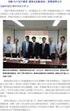 I II III The Study of Factors to the Failure or Success of Applying to Holding International Sport Games Abstract For years, holding international sport games has been Taiwan s goal and we are on the way
硕 士 学 位 论 文 论 文 题 目 : 北 岛 诗 歌 创 作 的 双 重 困 境 专 业 名 称 : 中 国 现 当 代 文 学 研 究 方 向 : 中 国 新 诗 研 究 论 文 作 者 : 奚 荣 荣 指 导 老 师 : 姜 玉 琴 2014 年 12 月
 硕 士 学 位 论 文 论 文 题 目 : 北 岛 诗 歌 创 作 的 双 重 困 境 专 业 名 称 : 中 国 现 当 代 文 学 研 究 方 向 : 中 国 新 诗 研 究 论 文 作 者 : 奚 荣 荣 指 导 老 师 : 姜 玉 琴 2014 年 12 月 致 谢 文 学 是 我 们 人 类 宝 贵 的 精 神 财 富 两 年 半 的 硕 士 学 习 让 我 进 一 步 接 近 文 学,
蔡 氏 族 譜 序 2
 1 蔡 氏 族 譜 Highlights with characters are Uncle Mike s corrections. Missing or corrected characters are found on pages 9, 19, 28, 34, 44. 蔡 氏 族 譜 序 2 3 福 建 仙 遊 赤 湖 蔡 氏 宗 譜 序 蔡 氏 之 先 出 自 姬 姓 周 文 王 第 五 子
4. 每 组 学 生 将 写 有 习 语 和 含 义 的 两 组 卡 片 分 别 洗 牌, 将 顺 序 打 乱, 然 后 将 两 组 卡 片 反 面 朝 上 置 于 课 桌 上 5. 学 生 依 次 从 两 组 卡 片 中 各 抽 取 一 张, 展 示 给 小 组 成 员, 并 大 声 朗 读 卡
 Tips of the Week 课 堂 上 的 英 语 习 语 教 学 ( 二 ) 2015-04-19 吴 倩 MarriottCHEI 大 家 好! 欢 迎 来 到 Tips of the Week! 这 周 我 想 和 老 师 们 分 享 另 外 两 个 课 堂 上 可 以 开 展 的 英 语 习 语 教 学 活 动 其 中 一 个 活 动 是 一 个 充 满 趣 味 的 游 戏, 另 外
Abstract The formation of sacred mountains is an essential topic in the field of history of Chinese religions. The importance of mountain in Chinese t
 2002 12 143~165 Sacred Mountains as Locations of Interaction between Buddhism and Daoism The Development of Buddhism and Daoism in Tiantai Mountain during the Tang Dynasty * Lin Chia-jung 143 Abstract
2011年高职语文考试大纲
 2016 年 湖 北 省 普 通 高 等 学 校 招 收 中 职 毕 业 生 技 能 高 考 文 化 综 合 考 试 大 纲 2016 年 普 通 高 等 学 校 招 收 中 职 毕 业 生 技 能 高 考, 是 由 中 等 职 业 学 校 ( 含 普 通 中 专 职 业 高 中 技 工 学 校 和 成 人 中 专 ) 机 械 类 电 子 类 计 算 机 类 会 计 专 业 护 理 专 业 建 筑
<4D6963726F736F667420576F7264202D203033BDD7A16DA576B04FA145A4ADABD2A5BBACF6A16EADBAB6C0ABD2A4A7B74EB8712E646F63>
 論 史 記 五 帝 本 紀 首 黃 帝 之 意 義 林 立 仁 明 志 科 技 大 學 通 識 教 育 中 心 副 教 授 摘 要 太 史 公 司 馬 遷 承 父 著 史 遺 志, 並 以 身 膺 五 百 年 大 運, 上 繼 孔 子 春 秋 之 史 學 文 化 道 統 為 其 職 志, 著 史 記 欲 達 究 天 人 之 際, 通 古 今 之 變, 成 一 家 之 言 之 境 界 然 史 記 百
<4D6963726F736F667420576F7264202D205F4230365FB942A5CEA668B443C5E9BB73A740B5D8A4E5B8C9A552B1D0A7F75FA6BFB1A4ACFC2E646F63>
 運 用 多 媒 體 製 作 華 文 補 充 教 材 江 惜 美 銘 傳 大 學 應 用 中 文 系 [email protected] 摘 要 : 本 文 旨 在 探 究 如 何 運 用 多 媒 體, 結 合 文 字 聲 音 圖 畫, 製 作 華 文 補 充 教 材 當 我 們 在 進 行 華 文 教 學 時, 往 往 必 須 透 過 教 案 設 計, 並 製 作 補 充 教 材, 方 能 使 教 學
Lorem ipsum dolor sit amet, consectetuer adipiscing elit
 English for Study in Australia 留 学 澳 洲 英 语 讲 座 Lesson 3: Make yourself at home 第 三 课 : 宾 至 如 归 L1 Male: 各 位 朋 友 好, 欢 迎 您 收 听 留 学 澳 洲 英 语 讲 座 节 目, 我 是 澳 大 利 亚 澳 洲 广 播 电 台 的 节 目 主 持 人 陈 昊 L1 Female: 各 位
Emperor Qianlong s integration of Tibetan Buddhism into the way he rule the country achieved an impressive result. Thus this dissertation also attempt
 Journal of China Institute of Technology Vol.38-2008.6 Study of Emperor Qianlong as Manjusri Bodhisattva Lo Chung Chang Assistant Professor of General Education Center China Institute of Technology Abstract
601988 2010 040 113001 2010 8 26 2010 8 12 2010 8 26 15 15 2010 15 0 0 15 0 0 6035 20022007 20012002 19992001 200720081974 1999 2010 20082008 2000 197
 BANK OF CHINA LIMITED 3988 2010 8 26 ** ** *** # Alberto TOGNI # # # * # 1 601988 2010 040 113001 2010 8 26 2010 8 12 2010 8 26 15 15 2010 15 0 0 15 0 0 6035 20022007 20012002 19992001 200720081974 1999
 9 21-40 2004 12 * * 22 9 1 2 3 1 1992 2 1960 2 3 1984 8 87 23 4 5 1697 AD 1779 6 7 8 9 10 11 12 4 1977 109-112 5 87 41993 13-38 6 614 7 8 632 9 1974 8 10 631 11 12 632 9 24 13 14 13 1990 14 25 15 16 15
(Microsoft Word - 10\246~\253\327\262\304\244@\264\301\256\325\260T_Version4)
 聖 公 會 仁 立 紀 念 小 學 聖 公 會 仁 立 紀 念 小 學 校 園 通 訊 2010 年 度 第 一 期 第 1 頁 \\\\ 校 園 通 訊 2010-2011 年 度 第 一 期 鄭 秀 薇 總 校 長 在 日 本, 有 一 個 傳 說 故 事 是 這 樣 說 的 : 有 一 對 仁 慈 的 老 夫 婦, 生 活 窮 困, 靠 賣 木 柴 過 活 一 天 老 人 在 同 情 心 的
東吳大學
 律 律 論 論 療 行 The Study on Medical Practice and Coercion 林 年 律 律 論 論 療 行 The Study on Medical Practice and Coercion 林 年 i 讀 臨 療 留 館 讀 臨 律 六 礪 讀 不 冷 療 臨 年 裡 歷 練 禮 更 老 林 了 更 臨 不 吝 麗 老 劉 老 論 諸 見 了 年 金 歷 了 年
高中英文科教師甄試心得
 高 中 英 文 科 教 師 甄 試 心 得 英 語 學 系 碩 士 班 林 俊 呈 高 雄 市 立 高 雄 高 級 中 學 今 年 第 一 次 參 加 教 師 甄 試, 能 夠 在 尚 未 服 兵 役 前 便 考 上 高 雄 市 立 高 雄 高 級 中 學 專 任 教 師, 自 己 覺 得 很 意 外, 也 很 幸 運 考 上 後 不 久 在 與 雄 中 校 長 的 會 談 中, 校 長 的 一 句
從篤加有二「區」談當代平埔文化復振現相
 從 篤 加 有 二 邱 談 族 群 正 名 運 動 從 篤 加 有 二 邱 談 族 群 正 名 運 動 陳 榮 輝 台 南 女 子 技 術 學 院 通 識 教 育 中 心 講 師 摘 要 本 文 從 篤 加 村 非 平 埔 族 裔 的 正 名 運 動, 探 討 篤 加 村 民 因 不 認 同 廟 後 區 ( 邱 ) 所 形 成 的 平 埔 族 裔 概 念, 從 地 理 變 遷 村 廟 沿 革 族 譜
<4D6963726F736F667420576F7264202D2032303130C4EAC0EDB9A4C0E04142BCB6D4C4B6C1C5D0B6CFC0FDCCE2BEABD1A15F325F2E646F63>
 2010 年 理 工 类 AB 级 阅 读 判 断 例 题 精 选 (2) Computer mouse How does the mouse work? We have to start at the bottom, so think upside down for now. It all starts with mouse ball. As the mouse ball in the bottom
encourages children to develop rich emotions through close contact with surrounding nature. It also cultivates a foundation for children s balanced de
 * ** *** **** The Instruction of a Sense of Seasons in the Field Environment through the Comparison of Kindergartens in Germany, Australia and Japan Kazuyuki YOKOIKimihiko SAITOKatsushi ONO Koichi EBIHARA
 ABSTRACT ABSTRACT Based on analyzing public corporation in foreign countries, this paper studies basic theories of public legal establishment, with our country s reality in the social transferring period
BB.pdf
 編輯手札 人乘佛刊走過三十個年頭 誠屬不易 自從 聖開上人於1979年創建慈光山首座道場 同年發 行 人乘佛刊 雜誌以來 30載歲月 無論道場或人刊 都 歷經了各種無常際遇 人刊形態從早期的32開單色印刷 到 16開印行 再改為25開 從單月刊改為雙月刊 以至於今的 季刊方式發行 現今亦同步發行網路版的人刊電子報 未來 因應潮流 方便傳法 人刊朝向數位的蛻變與進化 更是 不可避免的趨勢 大願法師在本期專題
 A Study on the Relationships of the Co-construction Contract A Study on the Relationships of the Co-Construction Contract ( ) ABSTRACT Co-constructio in the real estate development, holds the quite
BB.pdf
 30 30 30 4... 4.... 6... 10... 37... 16... 20... 25.... 31... 34... 43... 47... 51... 57... 59... 61... 63... 66... 69 2... 71 ... 78... 80...... 91... 92... 95... 97. 102 ( )... 106 3...... 108.......
89???????q?l?????T??
 華 興 電 子 報 第 89 期 民 國 102 年 01 月 12 日 出 刊 網 址 :www.hhhs.tp.edu.tw 發 行 人 : 高 宏 煙 總 編 輯 : 蕭 慶 智 董 大 鋼 許 莙 葇 王 雅 慧 主 編 : 賴 怡 潔 編 輯 群 : 周 慧 婷 陳 怡 君 陳 玫 禎 楊 雅 惠 郭 孟 平 伍 玉 琪 林 冠 良 林 淑 惠 賴 姿 潔 王 思 方 102 年 01 月
Microsoft Word - ChineseSATII .doc
 中 文 SAT II 冯 瑶 一 什 么 是 SAT II 中 文 (SAT Subject Test in Chinese with Listening)? SAT Subject Test 是 美 国 大 学 理 事 会 (College Board) 为 美 国 高 中 生 举 办 的 全 国 性 专 科 标 准 测 试 考 生 的 成 绩 是 美 国 大 学 录 取 新 生 的 重 要 依
Love Actually 真 的 戀 愛 了!? 焦 點 主 題 2035 年 一 個 寒 冷 卻 又 放 晴 的 下 午, 爸 媽 一 大 清 早 已 上 班, 只 得 小 奈 獨 個 兒 待 在 家 中, 奢 侈 地 享 受 著 她 的 春 節 假 期 剛 度 過 了 期 考 的 艱 苦 歲
 愛 情, 每 一 個 人 都 十 分 渴 望 有 的, 不 論 成 年 人 還 是 中 學 生 但 是, 你 知 道 甚 麼 是 愛 情 嗎? 如 何 才 可 以 擁 有 真 正 的 愛 情? 池 田 先 生 對 愛 情 方 面 有 些 甚 麼 指 導 呢? 01 焦 點 主 題 Love Actually... 真 的 戀 愛 了!? 09 Love Song 11 女 未 來 部 長 專 訪 15
國立桃園高中96學年度新生始業輔導新生手冊目錄
 彰 化 考 區 104 年 國 中 教 育 會 考 簡 章 簡 章 核 定 文 號 : 彰 化 縣 政 府 104 年 01 月 27 日 府 教 學 字 第 1040027611 號 函 中 華 民 國 104 年 2 月 9 日 彰 化 考 區 104 年 國 中 教 育 會 考 試 務 會 編 印 主 辦 學 校 : 國 立 鹿 港 高 級 中 學 地 址 :50546 彰 化 縣 鹿 港 鎮
東莞工商總會劉百樂中學
 /2015/ 頁 (2015 年 版 ) 目 錄 : 中 文 1 English Language 2-3 數 學 4-5 通 識 教 育 6 物 理 7 化 學 8 生 物 9 組 合 科 學 ( 化 學 ) 10 組 合 科 學 ( 生 物 ) 11 企 業 會 計 及 財 務 概 論 12 中 國 歷 史 13 歷 史 14 地 理 15 經 濟 16 資 訊 及 通 訊 科 技 17 視 覺
起 初, 距 離 出 版 日 期 還 有 大 半 年, 大 家 雀 躍 萬 分 之 餘 還 滿 盤 大 計, 他 答 應 做 這 樣 她 應 承 安 排 那 樣 你 負 責 做 三 件 事 我 就 辦 兩 件 大 家 都 是 成 年 而 又 自 律 的 人, 一 切 猶 如 入 了 自 動 波, 不
 荃 情 第 16 期 2011 年 12 月 31 日 出 版 荃 灣 官 立 工 業 中 學 校 友 會 專 刊 歡 迎 會 員 投 稿 稿 件 請 寄 本 編 輯 部 編 輯 部 地 址 : 香 港 上 環 德 輔 道 中 2 4 4-2 5 2 號 東 協 商 業 大 廈 5 樓 電 話 : 2 3 1 4 5 8 1 1 傳 真 : 2 7 3 9 3 7 2 0 e m a i l : i
has become a rarity. In other words, the water resources that supply the needs in Taiwan depend crucially on the reservoirs built at least more than t
 臺 灣 水 利 第 64 卷 第 1 期 民 國 105 年 3 月 出 版 Taiwan Water Conservancy Vol. 64, No. 1, March 2016 論 台 灣 水 資 源 開 發 的 必 要 性 The Essentiality of Water Resource Development in Taiwan * 虞 國 興 GWO-HSING YU 淡 江 大 學
PowerPoint 簡報
 國 立 中 山 大 學 財 務 管 理 學 系 Department of Finance, NSYSU 刊 登 之 文 章, 其 版 權 屬 於 本 系, 非 徵 得 同 意, 不 得 轉 載 本 期 目 錄 1. 財 管 系 榮 譽 及 活 動 訊 息 2. 讓 夢 想 貣 飛 / 楊 佳 霖 3. Student Ambassador(SA)/ 陳 伯 穎 4. 財 務 報 表 之 重 大 變
中國文化大學政治學研究所
 中 國 文 化 大 學 社 會 科 學 院 政 治 學 系 碩 士 論 文 Department of Political Science College of Social Sciences Chinese Culture University Master Thesis 台 灣 中 小 企 業 赴 大 陸 投 資 風 險 及 其 因 應 之 道 Investment Risks and its
 A Study on Grading and Sequencing of Senses of Grade-A Polysemous Adjectives in A Syllabus of Graded Vocabulary for Chinese Proficiency 2002 I II Abstract ublished in 1992, A Syllabus of Graded Vocabulary
99 學年度班群總介紹 第 370 期 班群總導 陳怡靜 G45 班群總導 陳怡靜(河馬) A 家 惠如 家浩 T 格 宜蓁 小 霖 怡 家 M 璇 均 蓁 雴 家 數學領域 珈玲 國燈 370-2 英領域 Kent
 2010 年 8 月 27 日 出 刊 精 緻 教 育 宜 蘭 縣 公 辦 民 營 人 國 民 中 小 學 財 團 法 人 人 適 性 教 育 基 金 會 承 辦 地 址 : 宜 蘭 縣 26141 頭 城 鎮 雅 路 150 號 (03)977-3396 http://www.jwps.ilc.edu.tw 健 康 VS. 學 習 各 位 合 夥 人 其 實 都 知 道, 我 是 個 胖 子, 而
 封面故事 FENG MIAN GU SHI 32 基于课标 基于学生 提升英语课堂 封面图片 上海市闵行区第四幼儿园 现 代 学 校 37 回归本源 彰显特色 / 胡金芳 出版日期 2015 年 5 月 15 日 35 运用问题情境中的有效提问促进大班 幼儿的语言发展 / 胡金芳 双 月 刊 2015 年第 3 期 总第 63 期 教学实效 / 刘董娴 38 尊重差异 培养能力 提高体育教学实 效
Untitiled
 目 立人1 2011 录 目 录 专家视点 权利与责任 班主任批评权的有效运用 齐学红 3 德育园地 立 沿着鲁迅爷爷的足迹 主题队活动案例 郑海娟 4 播下一颗美丽的种子 沿着鲁迅爷爷的足迹 中队活动反思 郑海娟 5 赠人玫瑰 手有余香 关于培养小学生服务意识的一些尝试和思考 孙 勤 6 人 教海纵横 2011 年第 1 期 总第 9 期 主办单位 绍兴市鲁迅小学教育集团 顾 问 编委会主任 编
國立中山大學學位論文典藏
 I II III IV The theories of leadership seldom explain the difference of male leaders and female leaders. Instead of the assumption that the leaders leading traits and leading styles of two sexes are the
Microsoft Word - 02-蘇美文.doc
 臺 北 大 學 中 文 學 報 第 6 期 2009 年 3 月 頁 37~84 37 夢 寒 霜 月 冷 師 門 : 義 公 禪 師 之 修 悟 教 化 與 繼 席 伏 獅 蘇 美 文 摘 要 本 文 是 有 關 女 性 禪 師 傳 承 的 歷 程, 以 及 承 繼 者 修 悟 教 化 的 論 述 在 被 記 載 的 禪 師 傳 承 系 譜 中, 女 性 禪 師 出 現 的 數 量 少, 而 且
Microsoft Word - Final Exam Review Packet.docx
 Do you know these words?... 3.1 3.5 Can you do the following?... Ask for and say the date. Use the adverbial of time correctly. Use Use to ask a tag question. Form a yes/no question with the verb / not
Lorem ipsum dolor sit amet, consectetuer adipiscing elit
 留 学 澳 洲 英 语 讲 座 English for Study in Australia 第 十 三 课 : 与 同 学 一 起 做 功 课 Lesson 13: Working together L1 Male 各 位 听 众 朋 友 好, 我 是 澳 大 利 亚 澳 洲 广 播 电 台 的 节 目 主 持 人 陈 昊 L1 Female 各 位 好, 我 是 马 健 媛 L1 Male L1
 徐汇教育214/3月刊 重 点 关 注 高中生异性交往的小团体辅导 及效果研究 颜静红 摘 要 采用人际关系综合诊断量表 郑日昌编制并 与同性交往所不能带来的好处 带来稳定感和安全感 能 修订 对我校高一学生进行问卷测量 实验组前后测 在 够度过更快乐的时光 获得与别人友好相处的经验 宽容 量表总分和第 4 项因子分 异性交往困扰 上均有显著差 大度和理解力得到发展 得到掌握社会技术的机会 得到 异
<4D6963726F736F667420576F7264202D20BEDBC9B3B3C9CBFEA1AAA1AAC9CCBDADBDCCD3FDCEC4BCAF20A3A8D6D0A3A92E646F63>
 高 等 教 育 初 步 探 讨 高 等 学 校 党 委 书 记 和 校 长 的 岗 位 职 责 内 容 提 要 : 2003 年 出 版 的 高 等 教 育 杂 志, 几 乎 每 期 都 有 探 讨 高 等 学 校 党 委 领 导 下 的 校 长 分 工 负 责 制 的 文 章 我 以 为, 这 些 文 章 所 涉 及 的 中 心 问 题 是 高 等 学 校 党 委 书 记 和 校 长 谁 是 一
39 屆 畢 業 典 禮
 東莞同鄉會方樹泉學校 地 址 九龍油麻地東莞街43號 電 話 2780 2296 圖文傳真 2770 7590 網 址 www.tkfsc-school.edu.hk 電 郵 [email protected] 39 屆畢業典禮 39 屆 畢 業 典 禮 方 樹 泉 先 生 玉 照 東 莞 同 鄉 會 方 樹 泉 學 校 39 屆 畢 業 典 禮 第 三 十 九 屆 畢 業 禮
:
 A Study of Huangtao : I Abstract Abstract This text focuses on the special contribution of Huangtao in the history of literature and culture of Fukien, by analyzing the features of Huangtao s thought,
A VALIDATION STUDY OF THE ACHIEVEMENT TEST OF TEACHING CHINESE AS THE SECOND LANGUAGE by Chen Wei A Thesis Submitted to the Graduate School and Colleg
 上 海 外 国 语 大 学 SHANGHAI INTERNATIONAL STUDIES UNIVERSITY 硕 士 学 位 论 文 MASTER DISSERTATION 学 院 国 际 文 化 交 流 学 院 专 业 汉 语 国 际 教 育 硕 士 题 目 届 别 2010 届 学 生 陈 炜 导 师 张 艳 莉 副 教 授 日 期 2010 年 4 月 A VALIDATION STUDY
:(104 :(104 )24:00 )~ :104 )~ )15:00~17:00 )08:00 :http://w3.tnfsh.tn.edu.tw/tn104sea) :http://w3.tnfsh.tn.edu.tw/tn104sea :http://w3.tnfsh.tn.edu.tw/
 核 准 文 號 : 教 育 部 教 育 部 104 年 2 月 12 日 臺 教 授 國 字 第 1040017931C 號 函 備 查 104 年 2 月 12 日 臺 教 授 國 字 第 1040017931D 號 函 核 定 臺 南 區 104 學 年 度 高 級 中 等 學 校 特 色 招 生 聯 合 考 試 分 發 入 學 簡 章 主 委 學 校 : 國 立 臺 南 第 一 高 級 中 學
豐 邑 家 族 季 刊 編 者 的 話 2015.02-04 No.07 彼 此 相 愛 總 編 輯 : 邱 崇 喆 主 編 : 戴 秋 柑 編 輯 委 員 : 黃 淑 美 盧 永 吉 王 森 生 趙 家 明 林 孟 姿 曾 淑 慧 執 行 編 輯 : 豐 邑 建 設 企 劃 課 出 版 發 行 :
 豐 邑 家 族 季 刊 編 者 的 話 2015.02-04 No.07 彼 此 相 愛 總 編 輯 : 邱 崇 喆 主 編 : 戴 秋 柑 編 輯 委 員 : 黃 淑 美 盧 永 吉 王 森 生 趙 家 明 林 孟 姿 曾 淑 慧 執 行 編 輯 : 豐 邑 建 設 企 劃 課 出 版 發 行 : 豐 邑 專 業 整 合 團 隊 地 址 : 台 中 市 台 灣 大 道 二 段 501 號 20F-1
3戴文鋒-人文.indd
 國 立 臺 南 大 學 南大學報 第39卷第2期人文與社會類 民國94年 41 66 41 臺灣媽祖 抱接砲彈 神蹟傳說試探 戴文鋒 國立臺南大學臺灣文化研究所 摘 要 二次大戰期間與終戰之後 臺灣各地許多媽祖廟宇 紛紛出現了在二次大戰期間媽祖曾經 顯靈抱接住盟軍所投擲砲彈 因而保住了當地人的生命財產安全的神蹟傳說 二次大戰美軍轟 炸臺灣時 臺灣民間所盛傳的媽祖靈驗事蹟 雖然甚為誇張 但至今仍有信徒
 目 錄 CONTENTS 3 5 45 47 50 53 54 57 60 61 社 論 教 宗 華 嚴 行 歸 兜 率 --- 是 華 嚴 行 者 亦 彌 勒 老 人 的 成 一 老 和 尚 本 社 先 導 師 七 七 法 會 日 誌 道 行 菩 薩 彌 勒 是 尊 特 別 報 導 法 乳 深 恩 編 輯 部 追 思 長 老 不 分 僧 俗 上 下 --- 成 一 老 和 尚 追 思 讚 頌 會
2009.05
 2009 05 2009.05 2009.05 璆 2009.05 1 亿 平 方 米 6 万 套 10 名 20 亿 元 5 个 月 30 万 亿 60 万 平 方 米 Data 围 观 CCDI 公 司 内 刊 企 业 版 P08 围 观 CCDI 管 理 学 上 有 句 名 言 : 做 正 确 的 事, 比 正 确 地 做 事 更 重 要 方 向 的 对 错 于 大 局 的 意 义 而 言,
可 愛 的 動 物 小 五 雷 雅 理 第 一 次 小 六 甲 黃 駿 朗 今 年 暑 假 發 生 了 一 件 令 人 非 常 難 忘 的 事 情, 我 第 一 次 參 加 宿 營, 離 開 父 母, 自 己 照 顧 自 己, 出 發 前, 我 的 心 情 十 分 緊 張 當 到 達 目 的 地 後
 郭家朗 許鈞嵐 劉振迪 樊偉賢 林洛鋒 第 36 期 出版日期 28-3-2014 出版日期 28-3-2014 可 愛 的 動 物 小 五 雷 雅 理 第 一 次 小 六 甲 黃 駿 朗 今 年 暑 假 發 生 了 一 件 令 人 非 常 難 忘 的 事 情, 我 第 一 次 參 加 宿 營, 離 開 父 母, 自 己 照 顧 自 己, 出 發 前, 我 的 心 情 十 分 緊 張 當 到 達 目
A-錢穆宗教觀-171
 台 南 應 用 科 大 學 報 第 32 期 人 文 管 理 類 頁 171-186 中 華 民 國 102 年 10 月 錢 穆 宗 教 觀 析 論 以 文 化 與 教 育 為 觀 察 核 心 梁 淑 芳 國 立 體 育 大 學 通 識 教 育 中 心 助 理 教 授 摘 要 國 學 大 師 錢 穆, 可 謂 一 代 通 儒 本 文 以 其 文 化 與 教 育 為 主, 輔 以 錢 穆 的 其 餘
TLLFDEC2013.indd
 GOOD PEOPLE MANAGEMENT AWARD 2 學教卓越 行政長官卓越教學獎 2010 / 2011 本校重視學生全人發展 致力提供具專業的教學環 6. 通識科的閱讀課藉報章及時事影片與同學進行課堂討 境 營造純樸良好的校風 建立優良的班級文化 積極提 論 提升學生的批判思考及高階思維能力 並藉不同形 升教學效能 善用資源為學生提供分組教學及各種增潤課 程 並成功為學生創造多元化的成功學習經驗
生之追尋 小鴿子
 目 錄 編 者 的 話 郭 南 埔 P. 1 蒙 恩 與 感 恩 林 永 強 牧 師 P. 2 死 亡 背 後 羅 志 強 牧 師 P. 3 我 的 感 恩 事 1 黎 何 麗 娟 ( 約 書 亞 團 ) P. 8 2 陳 綺 容 ( 波 阿 斯 團 ) P. 9 3 趙 麗 嬋 ( 多 加 團 ) P. 10 與 神 同 坐 過 山 車 何 麗 芬 ( 約 書 亞 團 ) P. 11 以 色 列
WTO
 10384 200015128 UDC Exploration on Design of CIB s Human Resources System in the New Stage (MBA) 2004 2004 2 3 2004 3 2 0 0 4 2 WTO Abstract Abstract With the rapid development of the high and new technique
論 文 摘 要 佛教起源於印度 是大多數人所週知的觀念 而素食觀念的起源與實行方 法 在世界各地是各有其特色並非一致 在中國社會 對佛教的飲食觀念 多 數人直覺認為佛教徒應與素食劃上等號 事實上並非如此 因為隨著佛教流傳 到世界各地 與當地的民俗及風土人情相結合 進而使不同國家的佛教徒依照 不同國情
 私 立 東 吳 大 學 中 國 文 學 系 碩 士 在 職 專 班 碩 士 論 文 指 導 教 授 : 林 伯 謙 教 授 中 國 素 食 文 化 與 漢 傳 佛 教 關 係 之 研 究 The relationship between Chinese Vegetarianism and Mahayana 研 究 生 : 方 廉 豐 撰 民 國 一 Ο 四 年 六 月 1 論 文 摘 要 佛教起源於印度
2005 5,,,,,,,,,,,,,,,,, , , 2174, 7014 %, % 4, 1961, ,30, 30,, 4,1976,627,,,,, 3 (1993,12 ),, 2
 3,,,,,, 1872,,,, 3 2004 ( 04BZS030),, 1 2005 5,,,,,,,,,,,,,,,,, 1928 716,1935 6 2682 1928 2 1935 6 1966, 2174, 7014 %, 94137 % 4, 1961, 59 1929,30, 30,, 4,1976,627,,,,, 3 (1993,12 ),, 2 , :,,,, :,,,,,,
2 Edmonton 爱 德 蒙 顿 爱 德 蒙 顿 是 加 拿 大 的 节 日 之 城, 一 年 有 超 过 30 多 个 节 日 城 市 总 人 口 1000 多 万 干 净, 安 全 的 居 住 环 境 友 好 的, 充 满 活 力 的 文 化 社 区 附 近 有 许 多 风 景 优 美 的
 1 Come Study With Us! 欢 迎 你 来 和 我 们 一 起 学 习! 爱 德 蒙 顿 天 主 教 学 校, 欢 迎 来 自 各 个 国 家 和 信 仰 的 学 生 加 入 我 们! 爱 德 蒙 顿 天 主 教 学 校 是 一 家 由 政 府 资 助 的 公 立 学 校, 是 以 基 督 信 仰 为 背 景 的 省 立 教 育 机 构, 是 以 学 生 成 绩 和 教 育 质 量
南華大學數位論文
 南 華 大 學 宗 教 學 研 究 所 碩 士 論 文 藕 益 智 旭 的 菩 薩 思 想 之 研 究 A Study of Ouyi Zhixu s thought on Bodhisattva Precepts 研 究 生 : 釋 延 明 指 導 教 授 : 黃 國 清 博 士 中 華 民 國 一 百 零 一 年 六 月 十 九 日 論文摘要 智旭身處的時代背景 可謂是政治腐敗 社會經濟紊亂的態勢
区 域 活 动 进 入 中 班 我 们 区 域 的 设 置 和 活 动 材 料 都 有 所 变 化, 同 时 也 吸 引 孩 子 们 积 极 的 参 与 学 习 操 作 区 的 新 材 料 他 们 最 喜 欢, 孩 子 们 用 立 方 块 进 行 推 理 操 作 用 扑 克 牌 进 行 接 龙 游
 日 常 生 活 本 月 我 们 日 常 生 活 活 动 的 重 点 :1. 让 孩 子 养 成 良 好 的 生 活 习 惯, 注 重 生 活 细 节 如 : 在 换 好 鞋 子 后 能 将 鞋 子 整 齐 的 摆 放 进 鞋 架 坐 在 椅 子 上 换 鞋 正 确 的 收 放 椅 子 等 2 让 孩 子 有 自 我 照 顾 的 意 识 如, 让 孩 子 感 受 自 己 的 冷 热 并 告 知 老 师,
UDC The Policy Risk and Prevention in Chinese Securities Market
 10384 200106013 UDC The Policy Risk and Prevention in Chinese Securities Market 2004 5 2004 2004 2004 5 : Abstract Many scholars have discussed the question about the influence of the policy on Chinese
文档 9
 : : :2001 5 10 :2001 6 10 : < > :Rudimental Studies on A Classified and Annotated Bibliography of Books on Calligraphy and Painting : : :K2904.6 Yu Shaosong A classified and Annotated Bibliography of Books
Microsoft Word - 論文封面-980103修.doc
 淡 江 大 學 中 國 文 學 學 系 碩 士 在 職 專 班 碩 士 論 文 指 導 教 授 : 呂 正 惠 蘇 敏 逸 博 士 博 士 倚 天 屠 龍 記 愛 情 敘 事 之 研 究 研 究 生 : 陳 麗 淑 撰 中 華 民 國 98 年 1 月 淡 江 大 學 研 究 生 中 文 論 文 提 要 論 文 名 稱 : 倚 天 屠 龍 記 愛 情 敘 事 之 研 究 頁 數 :128 校 系 (
國家圖書館典藏電子全文
 i ii Abstract The most important task in human resource management is to encourage and help employees to develop their potential so that they can fully contribute to the organization s goals. The main
 00. - 0-000 0 10 0 00-0 0 11 12 13 14 15 b 16 17 18 19 0 - 20 0 0-0 0 21 22 H.Mead 0-0 - ( ) 23 ( ) 24 ( ) 25 ( ) 26 27 00 0 00 0 28 29 30 31 ( ) 0 0 32 ( ) 33 ( ) 34 ( ) 35 ( ) 36 ( ) ( ) Northrop F.S.C.
Microsoft Word doc
 中 考 英 语 科 考 试 标 准 及 试 卷 结 构 技 术 指 标 构 想 1 王 后 雄 童 祥 林 ( 华 中 师 范 大 学 考 试 研 究 院, 武 汉,430079, 湖 北 ) 提 要 : 本 文 从 结 构 模 式 内 容 要 素 能 力 要 素 题 型 要 素 难 度 要 素 分 数 要 素 时 限 要 素 等 方 面 细 致 分 析 了 中 考 英 语 科 试 卷 结 构 的
< F5FB77CB6BCBD672028B0B6A46AABE4B751A874A643295F5FB8D5C5AA28A668ADB6292E706466>
 A A A A A i A A A A A A A ii Introduction to the Chinese Editions of Great Ideas Penguin s Great Ideas series began publication in 2004. A somewhat smaller list is published in the USA and a related, even
01 招 生 简 章 03 考 试 说 明 04 笔 试 样 题 2 emba.pbcsf.tsinghua.edu.cn
 01 招 生 简 章 03 考 试 说 明 04 笔 试 样 题 2 emba.pbcsf.tsinghua.edu.cn 清 华 五 道 口 金 融 EMBA 招 生 简 章 金 融 EMBA 教 育 中 心 2012 年, 为 加 快 现 代 金 融 学 科 建 设, 培 养 高 端 金 融 人 才, 促 进 金 融 界 与 金 融 教 育 界 的 联 系, 提 高 金 融 研 究 水 平, 推
Microsoft Word - 11月電子報1130.doc
 發 行 人 : 楊 進 成 出 刊 日 期 2008 年 12 月 1 日, 第 38 期 第 1 頁 / 共 16 頁 封 面 圖 話 來 來 來, 來 葳 格 ; 玩 玩 玩, 玩 數 學 在 11 月 17 到 21 日 這 5 天 裡 每 天 一 個 題 目, 孩 子 們 依 據 不 同 年 段, 尋 找 屬 於 自 己 的 解 答, 這 些 數 學 題 目 和 校 園 情 境 緊 緊 結
<4D6963726F736F667420576F7264202D20D0ECB7C9D4C6A3A8C5C5B0E6A3A92E646F63>
 硕 士 专 业 学 位 论 文 论 文 题 目 性 灵 文 学 思 想 与 高 中 作 文 教 学 研 究 生 姓 名 指 导 教 师 姓 名 专 业 名 称 徐 飞 云 卞 兆 明 教 育 硕 士 研 究 方 向 学 科 教 学 ( 语 文 ) 论 文 提 交 日 期 2012 年 9 月 性 灵 文 学 思 想 与 高 中 作 文 教 学 中 文 摘 要 性 灵 文 学 思 想 与 高 中 作
18世纪东亚儒教思想的地形
 释 奠 礼 乐 之 起 源 与 东 夷 文 明 金 圣 基 中 文 提 要 : 本 文 是 为 了 探 究 释 奠 祭 礼 之 乐 舞 的 起 源 与 东 夷 文 明 释 奠 礼 指 在 文 庙 祭 奠 孔 子 等 先 圣 先 贤 的 仪 式 释 奠 是 自 古 以 来 本 着 儒 学 的 独 特 文 化 意 识, 从 学 校 奉 行 下 来, 而 备 受 关 注 本 文 主 要 对 形 成 释 奠
參 加 第 二 次 pesta 的 我, 在 是 次 交 流 營 上 除 了, 與 兩 年 沒 有 見 面 的 朋 友 再 次 相 聚, 加 深 友 誼 外, 更 獲 得 與 上 屆 不 同 的 體 驗 和 經 歴 比 較 起 香 港 和 馬 來 西 亞 的 活 動 模 式, 確 是 有 不 同 特
 WE ARE BOY S BRIGADE 參 加 第 二 次 pesta 的 我, 在 是 次 交 流 營 上 除 了, 與 兩 年 沒 有 見 面 的 朋 友 再 次 相 聚, 加 深 友 誼 外, 更 獲 得 與 上 屆 不 同 的 體 驗 和 經 歴 比 較 起 香 港 和 馬 來 西 亞 的 活 動 模 式, 確 是 有 不 同 特 別 之 處 如 控 制 時 間 及 人 流 方 面, 香
國 立 政 治 大 學 教 育 學 系 2016 新 生 入 學 手 冊 目 錄 表 11 國 立 政 治 大 學 教 育 學 系 博 士 班 資 格 考 試 抵 免 申 請 表... 46 論 文 題 目 申 報 暨 指 導 教 授... 47 表 12 國 立 政 治 大 學 碩 博 士 班 論
 國 立 政 治 大 學 教 育 學 系 2016 新 生 入 學 手 冊 目 錄 一 教 育 學 系 簡 介... 1 ( 一 ) 成 立 時 間... 1 ( 二 ) 教 育 目 標 與 發 展 方 向... 1 ( 三 ) 授 課 師 資... 2 ( 四 ) 行 政 人 員... 3 ( 五 ) 核 心 能 力 與 課 程 規 劃... 3 ( 六 ) 空 間 環 境... 12 ( 七 )
南華大學數位論文
 南 華 大 學 教 育 社 會 學 研 究 所 碩 士 論 文 高 職 智 能 障 礙 學 生 性 教 育 課 程 之 行 動 研 究 Action research of sex education for students with intellectual disability in a vocational school 研 究 生 : 蘇 淑 惠 指 導 教 授 : 林 昱 瑄 博 士 中
_1_論文封面1.PDF
 96 01 26 (95 7 ) I Abstract The kitchen of the monastery has a refined name fragrance accumulated kitchen. Although it is not the mystical forbidden area, actually is not the place in which numerous
考試學刊第10期-內文.indd
 misconception 101 Misconceptions and Test-Questions of Earth Science in Senior High School Chun-Ping Weng College Entrance Examination Center Abstract Earth Science is a subject highly related to everyday
職 場 競 爭 力 3 原 則 擬 定 工 作 清 單 做 好 時 間 管 理 想 要 做 好 時 間 管 理, 規 劃 工 作 清 單 是 否 真 有 效 果? 此 外, 如 何 有 效 的 規 劃 工 作 清 單, 確 保 自 己 都 能 確 實 執 行, 但 又 同 時 保 有 彈 性, 除
 第 2014-03 期 本 期 目 錄 職 場 競 爭 力 3 原 則 擬 定 工 作 清 單 做 好 時 間 管 理... 2 對 的 時 間, 做 對 的 事! 一 日 時 間 管 理 術... 3 詹 文 男 : 早 起 有 益 時 間 管 理... 5 職 場 管 理 當 員 工 的 教 練... 7 資 訊 新 知 LED 藍 光 可 能 對 人 體 產 生 危 害?... 12 環 保
錫安教會2015年11月29日分享
 錫 安 教 會 2015 年 11 月 29 日 分 享 第 一 章 : 天 馬 座 行 動 答 問 篇 (2) 問 題 (1): 信 息 中 曾 提 及, 有 一 群 忠 良 的 皇 者 和 精 英 製 造 共 同 信 息, 但 亦 有 一 群 奸 惡 的 如 果 將 來 他 們 來 尋 找 我 們, 顯 示 他 們 是 製 造 共 同 信 息 的 人 這 樣, 我 們 有 沒 有 需 要 或 者
Microsoft Word - 刘藤升答辩修改论文.doc
 武 汉 体 育 学 院 硕 士 学 位 论 文 ( 全 日 制 硕 士 ) 社 会 需 求 视 角 下 武 汉 体 院 乒 乓 球 硕 士 研 究 生 就 业 状 况 研 究 研 究 生 : 刘 藤 升 导 师 : 滕 守 刚 副 教 授 专 业 : 体 育 教 育 训 练 学 研 究 方 向 : 乒 乓 球 教 学 训 练 理 论 与 方 法 2015 年 5 月 分 类 号 : G8 学 校 代
: : : : : ISBN / C53:H : 19.50
 : : : : 2002 1 1 2002 1 1 : ISBN 7-224-06364-9 / C53:H059-53 : 19.50 50,,,,,,, ; 50,,,,,,,, 1 ,,,,,,,,,,,,,, ;,,,,,,,,, 2 ,,,, 2002 8 3 ( 1 ) ( 1 ) Deduction One Way of Deriving the Meaning of U nfamiliar
2015年4月11日雅思阅读预测机经(新东方版)
 剑 桥 雅 思 10 第 一 时 间 解 析 阅 读 部 分 1 剑 桥 雅 思 10 整 体 内 容 统 计 2 剑 桥 雅 思 10 话 题 类 型 从 以 上 统 计 可 以 看 出, 雅 思 阅 读 的 考 试 话 题 一 直 广 泛 多 样 而 题 型 则 稳 中 有 变 以 剑 桥 10 的 test 4 为 例 出 现 的 三 篇 文 章 分 别 是 自 然 类, 心 理 研 究 类,
2015 Chinese FL Written examination
 Victorian Certificate of Education 2015 SUPERVISOR TO ATTACH PROCESSING LABEL HERE Letter STUDENT NUMBER CHINESE FIRST LANGUAGE Written examination Monday 16 November 2015 Reading time: 11.45 am to 12.00
論法院作成出版品禁止發行之衡量標準
 論 法 院 作 成 出 版 品 禁 止 發 行 裁 定 之 衡 量 標 準 - 以 日 本 實 務 及 學 說 討 論 為 中 心 - A Study on the Stardard of Issuing a Preliminary Injunction -Comparative with the Japanese Practice and Theory- 詹 融 潔 Jung-Chieh Chan
中国人民大学商学院本科学年论文
 RUC-BK-113-110204-11271374 2001 11271374 1 Nowadays, an enterprise could survive even without gaining any profit. However, once its operating cash flow stands, it is a threat to the enterprise. So, operating
202 The Sending Back of The Japanese People in Taiwan in The Beginning Years After the World War II Abstract Su-ying Ou* In August 1945, Japan lost th
 201 1945 8 1945 202 The Sending Back of The Japanese People in Taiwan in The Beginning Years After the World War II Abstract Su-ying Ou* In August 1945, Japan lost the war and had to retreat from Taiwan.
南華大學數位論文
 南華大學 碩士論文 中華民國九十五年六月十四日 Elfin Excel I II III ABSTRACT Since Ming Hwa Yuan Taiwanese Opera Company started to cooperate with the Chinese orchestra, the problem of how the participation of Chinese music
<4D6963726F736F667420576F7264202D203338B4C12D42A448A4E5C3C0B34EC3FE2DAB65ABE1>
 ϲ ฯ र ቑ ጯ 高雄師大學報 2015, 38, 63-93 高雄港港史館歷史變遷之研究 李文環 1 楊晴惠 2 摘 要 古老的建築物往往承載許多回憶 也能追溯某些歷史發展的軌跡 位於高雄市蓬 萊路三號 現為高雄港港史館的紅磚式建築 在高雄港三號碼頭作業區旁的一片倉庫 群中 格外搶眼 這棟建築建成於西元 1917 年 至今已將近百年 不僅躲過二戰戰 火無情轟炸 並保存至今 十分可貴 本文透過歷史考證
2017 CCAFL Chinese in Context
 Student/Registration Number Centre Number 2017 PUBLIC EXAMINATION Chinese in Context Reading Time: 10 minutes Working Time: 2 hours and 30 minutes You have 10 minutes to read all the papers and to familiarise
天 主 教 輔 仁 大 學 社 會 學 系 學 士 論 文 小 別 勝 新 婚? 久 別 要 離 婚? 影 響 遠 距 家 庭 婚 姻 感 情 因 素 之 探 討 Separate marital relations are getting better or getting worse? -Exp
 天 主 教 輔 仁 大 學 社 會 學 系 學 士 論 文 小 別 勝 新 婚? 久 別 要 離 婚? 影 響 遠 距 家 庭 婚 姻 感 情 因 素 之 探 討 Separate marital relations are getting better or getting worse? -Explore the impact of emotional factors couples do not
Microsoft Word - 20100526_編者序.doc
 編 者 序 我 一 定 要 功 成 名 就, 才 參 加 同 學 會. 一 位 大 學 同 學 曾 經 這 麼 勵 志 地 對 我 說, 直 到 今 天, 我 都 忘 不 了 他 那 堅 定 的 神 色, 但 也 直 到 今 天, 我 猶 不 懂, 為 什 麼 參 加 同 學 會 必 須 功 成 名 就? 為 什 麼 要 辦 同 學 會? 為 什 麼 要 出 什 麼 紀 念 小 集? 如 果 你 這
untitled
 20 90 1998 2001 1 Abstract Under the environment of drastic competitive market, risk and uncertainty that the enterprise faces are greater and greater, the profit ability of enterprise assets rises and