
百 年 回 顧 : 中 國 國 民 黨 駐 澳 洲 總 支 部 歷 史 文 物 彙 編 Unlocking the History of The Australasian Kuo Min Tang Mei-Fen Kuo & Judith Brett AUSTRALIAN SCH
|
|
|
- 宗 乐
- 9 years ago
- Views:
Transcription
1 百 年 回 顧 : 中 國 國 民 黨 駐 澳 洲 總 支 部 歷 史 文 物 彙 編 Unlocking the History of The Australasian Kuo Min Tang Mei-fen Kuo left her native Taiwan in 2003 to undertake a PhD thesis at La Trobe University, which she was awarded in From 2010 to 2013 she was an Australian Post-doctoral Fellow in the School of Social Science at La Trobe University and is currently a Research Fellow in the Asia-Pacific Centre for Social Investment and Philanthropy at Swinburne University. She is the author of Making Chinese Australia: Urban Elites, Newspapers and the Formation of Chinese-Australian Identity, (Monash University Publishing 2013). Her polished bilingual research skills have made a significant contribution to our understanding the Chinese-Australian urban elite in a transnational setting. Judith Brett is an Emeritus Professor at La Trobe University. She has written extensively on the history of non-labour politics in Australia, including on the history of the Liberal Party and on ideas of citizenship. Her books include Robert Menzies Forgotten People (Macmillan 1992) and Australian Liberals and the Moral Middle Class: From Alfred Deakin to John Howard (Cambridge 2003). She has written three Quarterly Essays and is currently working on a new biography of Alfred Deakin.

2 百 年 回 顧 : 中 國 國 民 黨 駐 澳 洲 總 支 部 歷 史 文 物 彙 編 Unlocking the History of The Australasian Kuo Min Tang Mei-Fen Kuo & Judith Brett AUSTRALIAN SCHOLARLY

3 Contents Foreword Preface 中 文 序 言 與 前 言 vii ix xiii 1 A Rising Wind of Civil Democracy 1 the Early Days of Chinese Australian Nationalists from Building the Chinese Nationalist 16 Party in Australasia Competition and Challenges Semi-official Leadership through 61 the Years of the Great Depression New Spirit of Nationalism and 95 Turning Australia to Face Asia Publication assisted by Australian Research Council, Chinese Nationalist Party of Australasia and La Trobe University. Mei-Fen Kuo & Judith Brett 2013 First published 2013, by Australian Scholarly Publishing Pty Ltd 7 Lt Lothian St Nth, North Melbourne, Vic 3051 tel: fax: aspic@oz .com.au web: scholarly.info isbn all rights reserved Design and typesetting Art Rowlands Printing and binding BPA Print Group Pty Ltd Cover image Cover of the official journal published by Australasian KMT in Canton, 澳 洲 總 支 部 於 1931 年 在 廣 州 出 版 之 澳 洲 黨 聲 6 Overcoming the Time of Hardships 107 of the Pacific War Rebuilding Australasian KMT 128 in the Post-War Era Working Below the Radar in 148 the Cold War Years The Australian KMT in the Age of 169 Multiculturalism and the Asian Century 1972 and Beyond The main chapters of this book are typeset in Fairfield LH 10.7pt

4 Foreword by the Hon John Howard OM AC The history of the Chinese community in Australia is an enduring one. It has been characterised by tenacity, determination and commitment to succeed in a new homeland. The Chinese have made an impressive contribution to modern Australia. As well as telling the story of the Chinese in Australia this book addresses the contribution of the Chinese Nationalist Party of Australasia or the Australian Kuo Min Tang to that story. It is a timely record of their role and achievement. This history provides evidence that the leadership given by the KMT furthered the opportunities for Chinese people in Australia. In my years as a member of parliament I experienced the enthusiasm and vibrancy of the Australian Chinese community. My former electorate of Bennelong included thousands of Chinese Australians who were representative of the various parts of the Chinese diaspora in our country. What this history tells us, and why it is a story worth telling, is that it details the role of Chinese Australians as Australian citizens. In many ways the great strength of Chinese immigration has been the willingness and enthusiasm of new arrivals to participate in mainstream Australian society, and to embrace our free and democratic ideals. As the authors write Chinese Australian residents acquired the social and cultural skills suited to the rhythms, customs and manners of Australian urban life with more open forms of public association and a commitment to public and civic duties. Foreword vii

5 This book is but a snapshot of the people and interactions of our two great countries. This is an evolving history and one that still has many stories to be told. Australia and China share a unique and important relationship. I have been fortunate to see the great strides forward that this relationship has taken over recent decades. The growth of modern China has been good for China and good for the world. The bilateral relationship between Australia and China has been immensely beneficial to both countries. It is therefore timely that more is both said and written about the history of the Chinese in Australia. For that reason, amongst others, I welcome this book. I pay special acknowledgement to Tsebin Tchen who has been involved with the production of this book. He has a special place in the history of Chinese Australians. He was the first Chinese born member of the Australian parliament. He served as a Senator from Victoria between 1999 and 2005 and as a consequence we became both colleagues and friends. John Howard Sydney, October 2013 Preface The history of the Chinese Nationalist Party of Australasia, or the Australian Kuo Min Tang (hereafter KMT), begins in 1910 with the formation in Melbourne of the Young China League to support Dr Sun Yat-Sen s revolutionary aims. After the 1911 revolution it became a branch of Sun s Kuo Min Tang party. The Australian KMT was the first modern Chinese-Australian institution without the traditional restricted membership requirements of clan, class, native-place or gender affiliation. It promoted freedom and public participation amongst its members and was a focus for Chinese community life in the days of White Australia. Sydney was also the headquarters of the Australasian branch with membership from the Chinese diasporic community in Papua New Guinea and the Pacific. From its inception, the Australian KMT combined a political focus, especially when the KMT was the party in power in China ( ), with a wider social and community role, hosting rallies, dances and other gatherings for the Chinese Australian community. Together with the Chinese Consulate-General, it linked the community to the affairs of China during its turbulent transition from dynastic empire to modern nation state. Today there are still active branches in Sydney and Melbourne. What began as a local club became the regional headquarters of a transnational political party. The book draws on archives of the Sydney and Melbourne branches of the Chinese Nationalist Party that include rich photographic collections, records of membership, notes of committee meetings, reports of conventions, official and private correspondences, publications, financial records and account books. These archives have been supplemented by oral history interviews and family papers. The viii Preface ix

6 book begins with a section in Chinese. This comprises translations of the Foreword by John Howard and of the Preface, together with contributions from the Director of the KMT Archives in Taipei and from Mr Eugene Seeto of the Sydney Chinese Nationalist Party on his long experience of the Australasian KMT. This book has many debts. It is one of the outcomes of a three-year Australian Research Council Linkage Project: Unlocking Australia s Chinese Archive: The political organisation and social experience of the Chinese Australian community, , which provided a post-doctoral fellowship for Mei-Fen Kuo. The Chief Investigators on this project were Judith Brett and James Leibold. We gratefully acknowledge this support from the Council and from the School of Social Sciences at La Trobe, where the project was based. The partner investigators, Mr Eugene Seeto of the Sydney Chinese Nationalist Party and Mr Tsebin Tchen of the Melbourne KMT, have given generously of their time and their knowledge, both of the history of the party and of the Chinese Australian community. Mr Seeto has worked for more than half a century to preserve the Party s records on which much of this research is based. The book was commissioned by the Chinese Nationalist Party of Australasia in Sydney and many people within the party have made a contribution, facilitating access to the records and providing information about the history of the Party after the Second World War. We could not name them all here. We are grateful to the members of ninth and tenth Committee of the Party in supporting the project that led to this book; and a special thanks to John Yen and Elizabeth Kao for their administrative help. This history builds on the earlier work on Chinese Australian political history of the late Dr Henry Min-Shi Chan and of Professor John Fitzgerald, now at Swinburne. The Institute of Modern History, Academia Sinica, in Taipei has greatly assisted in the preservation of the community s fragile records for future generations, generously digitising 64,228 pages of documents and more than 200 historical photos. We wish to express our thanks to Professor Huang Ko-wu and Chang Li. This book also draws on oral history interviews. Many friends with Chinese ancestry generosity provided their life stories, memories and family collections to enrich this history. We are enormously grateful to Bruce Sun-you Lew, William (Bill) Lau, Marina Mar, Irene Mavis Mortensen, Gordon Mar, Albert Mar, Tony Wing, Dennis Chen, Winsome Dong, Ducman Allen Yip, Victor Bien, Kaylin Simpson Lee, Susan Carter, Lindsay W. Wing, late Philip Wing Dann, Lucinda Adams, Norma King Koi, Jeanette Mar, Maurice and Eunice Leong, Arthur Gar Lock Chang, Mabel Wang, Wai Wang, Man-Yee Leanfore, Leanne Tam, Katherine Liu, King Fong and Eric Yee. For photos and some documents we thank the KMT Party Archives (Taipei), the National Dr Sun Yat-sen Memorial Hall (Taipei), the National Library of Australia, the National Archives of Australia, the State Records of NSW, the State Library of NSW and the Archive of the City of Sydney. Finally, special thanks to Tsebin Tchen who shared his expertise, translated, edited and warmly encouraged this work at every stage, inspiring it with his own passion to share the history of Chinese Australians with all Australians. Mei-fen Kuo Judith Brett November 2013 x Preface xi

7 序 言 澳 洲 前 聯 邦 總 理 霍 華 德 澳 洲 華 裔 的 歷 史 是 持 久 不 衰 的 ; 他 們 展 現 出 的 特 質 是 堅 韌 毅 力, 以 及 在 新 家 鄉 取 得 成 功 的 決 心 華 裔 為 當 代 澳 洲 做 出 了 令 人 印 象 深 刻 的 貢 獻 本 書 在 闡 述 澳 洲 華 裔 故 事 的 同 時, 也 談 論 到 關 於 中 國 國 民 黨 駐 澳 洲 暨 南 太 平 洋 群 島 的 貢 獻, 這 是 澳 洲 華 裔 歷 史 不 可 忽 略 的 一 部 分 這 段 歷 史 適 時 地 記 錄 了 澳 洲 華 裔 人 士 舉 足 輕 重 的 角 色 和 成 就, 也 證 明 了 澳 洲 華 裔 如 何 在 中 國 國 民 黨 的 領 導 下 開 疆 拓 源 在 我 服 務 於 國 會 的 生 涯 裡, 常 有 機 會 感 受 到 澳 洲 華 裔 社 群 的 熱 情 與 活 力 尤 其 是 在 我 過 去 所 服 務 的 Bennelong 選 區, 居 住 了 上 萬 名 華 裔 背 景 的 人 士, 他 們 正 代 表 著 我 們 這 個 國 家 中 有 著 多 元 的 族 裔 背 景 這 段 歷 史 之 所 以 重 要 且 值 得 被 敘 說, 在 於 它 詳 述 了 華 裔 的 澳 洲 公 民 角 色 澳 洲 華 裔 移 民 在 很 多 方 面 得 以 發 揮 重 要 作 用, 就 是 因 為 打 從 成 為 新 移 民 開 始, 他 們 便 主 動 投 注 熱 情 於 澳 洲 主 流 社 會, 並 擁 抱 自 由 與 民 主 的 理 念 誠 如 作 者 所 說 : 澳 洲 華 裔 居 民 學 習 了 社 會 與 文 化 技 能 以 適 應 於 澳 洲 都 市 生 活 的 節 奏 習 俗 和 禮 儀 伴 隨 著 更 開 放 模 式 的 公 共 組 織, 以 及 對 於 公 共 事 務 與 公 民 責 任 當 仁 不 讓 的 態 度 本 書 也 呈 現 我 們 兩 國 之 間 人 民 與 互 動 的 重 要 瞬 間, 這 是 一 段 正 在 發 展 的 歷 史, 而 還 有 許 多 故 事 等 著 被 訴 說 澳 洲 與 中 國 共 享 了 獨 特 而 重 要 的 關 係, 我 有 幸 見 證 到 過 去 這 段 關 係 的 大 步 躍 進 中 國 的 茁 壯 發 展 對 中 國 與 世 界 是 一 個 雙 贏 的 進 展, 澳 洲 與 中 國 的 雙 邊 關 係 也 對 亞 太 地 區 發 揮 著 廣 泛 效 益 可 以 說, 現 在 正 是 訴 說 澳 洲 華 裔 歷 史 的 好 時 機 因 此, 我 竭 誠 推 薦 本 書 我 要 特 別 感 謝 本 書 的 幕 後 推 手 陳 之 彬 先 生 在 他 於 1999 年 至 2005 年 擔 任 參 議 員 期 間, 我 們 相 識 成 為 同 事 與 朋 友 作 為 第 一 位 華 裔 聯 邦 參 議 員, 他 在 澳 洲 華 裔 歷 史 上 有 著 特 殊 地 位 xiii

8 黨 史 館 序 王 文 隆 郭 美 芬 博 士 與 Judith Brett 教 授 聯 合 執 筆 的 百 年 回 顧 : 中 國 國 民 黨 駐 澳 洲 總 支 部 文 物 彙 編 一 書 行 將 出 版 身 為 中 國 國 民 黨 文 化 傳 播 委 員 會 黨 史 館 主 任, 受 邀 撰 寫 一 序, 深 感 榮 幸 華 僑 為 明 清 以 來 大 量 旅 居 域 外 僑 民 的 總 稱 ; 其 與 原 鄉 仍 保 持 相 當 綿 密 的 情 誼, 以 及 相 當 緊 密 的 人 際 經 濟 關 係, 對 於 國 內 的 脈 動 也 常 表 關 心 因 為 地 域 上 的 移 動, 使 得 華 僑 的 影 響 力 常 跨 越 國 境 的 限 制, 無 論 是 就 僑 居 地 或 是 其 原 鄉 來 說, 都 是 相 當 重 要 的 一 群, 華 僑 因 此 成 為 許 多 研 究 探 索 的 主 題 加 以 華 僑 自 清 末 以 來, 多 響 應 總 理 號 召, 投 身 革 命, 或 是 出 資, 或 是 出 力, 涉 入 國 內 政 治 的 革 新, 更 使 得 華 僑 榮 獲 革 命 之 母 的 美 譽 許 多 海 外 的 華 僑 及 其 後 人, 至 今 仍 是 中 國 國 民 黨 海 外 機 構 的 骨 幹 與 成 員 如 要 理 解 華 僑 在 各 地 開 枝 散 葉 的 過 去 與 現 在, 非 得 自 外 交 僑 務 與 黨 務 三 條 線 來 瞭 解 才 能 窺 探 全 貌 然 而, 就 當 前 的 華 僑 研 究 來 說, 以 外 交 或 是 僑 務 為 視 角 切 入 的 研 究 頗 多, 但 以 黨 務 為 視 角 切 入 的, 除 了 華 僑 與 革 命 間 的 關 聯 之 外, 成 果 相 對 稀 少 也 因 此, 費 約 翰 教 授 Judith Brett 教 授 陳 民 熙 教 授, 及 郭 美 芬 博 士 共 同 努 力, 在 駐 澳 總 支 部 司 徒 惠 初 中 評 委 與 前 聯 邦 參 議 員 陳 之 彬 先 生 的 協 助 下, 爭 取 研 究 經 費, 整 理 本 黨 存 置 於 雪 梨 中 國 國 民 黨 駐 澳 洲 暨 南 太 平 洋 群 島 共 35 個 分 支 機 構 的 相 關 文 物 資 料, 便 填 補 了 在 澳 華 僑 研 究 的 主 要 素 材 由 於 本 黨 在 當 地 的 黨 員 分 屬 各 個 不 同 階 層, 分 隸 不 同 社 群, 這 批 史 料 的 重 現, 能 以 此 探 討 各 階 層 華 僑 在 澳 洲 及 南 太 平 洋 奮 鬥 的 歷 史, 不 僅 能 瞭 解 黨 部 所 推 動 的 各 項 活 動, 也 能 藉 此 深 入 瞭 解 各 黨 部 的 動 員 與 運 作, 知 悉 各 黨 部 所 關 懷 的 議 題 與 面 向, 甚 至 能 窺 探 時 人 的 人 際 網 絡, 以 及 和 各 層 面 華 僑 的 互 動 等, 可 說 是 相 當 全 面 且 完 整 的 一 批 本 黨 海 外 史 料 本 書 有 機 會 先 以 這 批 史 料 為 據, 利 用 簡 史 的 方 式 呈 現 中 國 國 民 黨 駐 澳 洲 總 支 部 的 歷 史, 搭 配 照 片 先 行 出 版, 讓 更 多 人 接 觸 到 這 批 史 料 的 精 華 此 舉, 不 僅 能 響 應 本 黨 馬 英 九 主 席 活 化 黨 史 的 指 示, 推 廣 本 黨 黨 史, 也 能 以 此 為 全 球 的 歷 史 學 研 究 提 供 新 史 料, 讓 更 多 研 究 者 加 以 利 用 期 待 此 一 領 域 的 研 究 在 不 久 的 未 來, 能 有 豐 碩 的 成 果, 為 本 黨 為 華 僑 為 在 當 地 曾 經 貢 獻 心 力 的 人 們, 留 下 翔 實 的 紀 錄 xiv xv

9 前 言 與 致 謝 中 國 國 民 黨 駐 澳 洲 暨 南 太 平 洋 群 島 地 區 的 歷 史 可 以 追 溯 到 1910 年 於 墨 爾 本 所 成 立 的 少 年 中 國 會,1911 年 武 昌 起 義 後, 雪 梨 與 墨 爾 本 正 式 成 立 支 持 孫 中 山 先 生 國 民 革 命 的 公 開 組 織 在 澳 洲 的 中 國 國 民 黨 從 二 十 世 紀 初 開 始, 是 第 一 個 打 破 傳 統 華 裔 社 團 組 織 規 章, 對 其 加 入 的 成 員 不 限 地 緣 性 別 和 階 級, 其 目 的 在 於 促 進 白 澳 政 策 下 華 裔 社 群 的 民 主 自 由 和 提 高 參 與 公 共 事 務 的 覺 悟 1924 年 後 中 國 國 民 黨 更 在 雪 梨 設 立 統 籌 與 聯 繫 澳 洲 暨 南 太 平 洋 群 島 各 分 支 部 的 總 支 部, 也 因 此 得 以 保 存 了 收 藏 於 本 書 中 的 大 多 數 的 照 片 與 文 物 從 成 立 以 來, 澳 大 利 亞 中 國 國 民 黨 不 僅 致 力 於 推 動 其 政 治 主 張 尤 其 是 中 國 國 民 黨 在 中 國 做 為 執 政 黨 以 降 更 不 遺 餘 力 地 加 強 與 澳 洲 僑 界 的 聯 繫 活 動, 參 與 各 項 公 眾 聚 會, 直 到 今 天 雪 梨 與 墨 爾 本 兩 地 依 舊 在 運 作 的 國 民 黨, 更 與 中 華 民 國 歷 屆 外 交 領 事 攜 手, 與 僑 界 共 同 走 過 從 傳 統 帝 國 邁 向 現 代 主 權 國 家 的 百 年 動 盪 歲 月, 也 見 證 了 一 個 地 方 的 政 治 社 團 組 織 如 何 發 展 成 為 跨 國 性 的 現 代 政 黨 本 書 借 鑒 了 收 藏 於 雪 梨 和 墨 爾 本 兩 地 的 中 國 國 民 黨 檔 案, 其 中 包 括 豐 富 的 歷 史 照 片 會 員 名 冊 會 議 記 錄 財 務 收 支 和 黨 務 報 告 等, 輔 以 國 家 檔 案 私 人 書 信 以 及 其 他 已 經 出 版 之 資 料, 加 上 口 述 歷 史 訪 談 彙 編 成 此 書 本 書 更 是 過 去 三 年 來 Unlocking Australia s Chinese Archive: The political organisation and social experience of the Chinese Australian community, 計 畫 下 的 重 要 成 果 之 一 在 拉 籌 博 大 學 社 會 科 學 院 Judith Brett 教 授 和 雷 國 俊 高 級 講 師 的 主 持 下, 使 得 本 計 畫 案 於 2010 年 贏 得 澳 洲 國 家 委 員 會 的 研 究 款 項, 提 供 郭 美 芬 博 士 長 達 三 年 的 研 究 補 助 總 支 部 的 司 徒 惠 初 中 評 委 和 墨 爾 本 分 部 的 陳 之 彬 代 表, 更 在 過 去 三 年 多 來 不 遺 餘 力 地 協 助 本 計 劃, 提 供 他 們 寶 貴 的 時 間 和 意 見 ; 本 研 究 計 畫 跟 專 書 更 應 歸 功 於 過 去 司 徒 惠 初 先 生 保 存 黨 部 文 物 長 達 半 世 紀 的 心 血 本 研 究 計 畫 與 專 書 的 撰 寫 過 程, 更 得 到 中 國 國 民 黨 駐 澳 洲 總 支 部 各 位 先 賢 的 鼓 勵 和 幫 助, 尤 其 是 第 九 屆 與 第 十 屆 委 員 會 的 諸 位 委 員 是 催 生 此 專 書 的 幕 後 功 臣, 因 為 篇 幅 所 致, 未 能 詳 列 各 位 大 名, 尚 望 見 諒 我 們 也 特 別 感 謝 過 去 三 年 來 甄 振 翰 與 吳 瑄 在 行 政 上 的 諸 多 幫 忙 我 們 特 此 銘 謝 已 經 過 世 的 陳 民 熙 教 授, 以 及 Swinburne 大 學 的 費 約 翰 教 授, 他 們 對 於 澳 洲 中 國 國 民 黨 的 前 期 研 究 發 揮 著 承 先 啟 後 的 影 響 中 央 研 究 院 近 代 史 研 究 所 與 檔 案 館 在 過 去 三 年 來 更 提 供 他 們 的 專 業 幫 助, 無 償 地 協 助 我 們 掃 描 這 批 重 要 的 歷 史 文 物 與 檔 案, 才 使 得 這 批 少 為 人 知 的 史 料 能 夠 開 放 給 公 眾, 我 們 特 此 向 黃 克 武 所 長 與 張 力 教 授 致 謝 本 書 作 者 更 希 望 向 過 去 三 年 曾 經 接 受 口 述 訪 談 的 人 士 致 謝, 你 們 無 私 提 供 的 私 人 資 料 與 娓 娓 道 來 的 故 事 豐 富 了 本 書 我 們 特 別 感 謝 劉 新 耀 劉 彪 余 宜 錫 陳 榮 亮 Marina Mar, Irene Mavis Mortensen, Gordon Mar, Albert Mar, Tony Wing, King Fong, Winsome Dong, Ducman Allen Yip, Victor Bien, Kaylin Simpson Lee, Susan Carter, Lindsay W. Wing, late Philip Wing Dann, Lucinda Adams, Norma King Koi, Jeanette Mar, Maurice and Eunice Leong, Arthur Gar Lock Chang, Mabel Wang, Wai Wang, Man-Yee Leanfore, Leanne Tam, Katherine Liu 我 們 也 在 此 特 別 感 謝 中 國 國 民 黨 文 化 傳 播 委 員 會 黨 史 館 台 北 國 父 紀 念 館 澳 洲 國 家 圖 書 館 澳 洲 國 家 檔 案 局 新 南 威 爾 斯 州 檔 案 局 新 南 威 爾 斯 州 立 圖 書 館 以 及 雪 梨 市 檔 案 局 授 權 予 以 翻 拍 與 重 製 他 們 珍 藏 的 照 片 最 後 本 書 作 者 要 特 別 致 謝 陳 之 彬 先 生, 在 本 書 撰 寫 期 間 總 是 無 私 且 耐 心 地 提 供 意 見 協 助 修 攥 翻 譯 與 校 對, 在 他 熱 忱 的 鼓 勵 與 幫 助 下, 本 書 方 能 問 世, 得 以 向 世 人 展 示 這 一 段 珍 貴 的 歷 史 xvi xvii

10 從 歷 史 文 物 看 先 僑 創 黨 維 艱 的 歷 史 中 國 國 民 黨 中 央 評 議 委 員 司 徒 惠 初 中 國 國 民 黨 在 澳 洲 的 發 展, 已 經 快 一 百 年 了 在 一 百 年 的 歲 月 中, 曾 經 歷 了 無 數 的 逆 流 險 阻, 幸 賴 各 階 層 的 同 志, 意 志 堅 定, 信 仰 絕 不 動 搖, 承 受 狂 風 巨 浪 的 衝 擊, 終 於 突 破 任 何 橫 逆, 平 安 地 度 過 難 關 在 澳 洲 境 內, 中 國 國 民 黨 是 一 個 少 見 的 團 體, 主 要 宗 旨 是 和 平 親 近 群 眾, 所 以 受 到 群 眾 的 愛 護, 所 在 當 地 政 府 也 相 當 重 視, 這 也 是 中 國 國 民 黨 能 在 澳 洲 經 歷 將 近 一 百 年 而 不 衰 的 主 要 原 因 最 近 總 支 部 黨 所 重 修 完 成, 趁 此 機 會 將 大 部 分 文 物 展 出, 供 各 界 人 士 參 觀 及 研 究 大 家 從 歷 史 文 物 中, 看 到 當 年 黨 員 的 無 條 件 奉 獻 和 奮 鬥 的 史 實, 心 裡 必 定 會 有 無 限 的 感 慨 同 時, 中 國 國 民 黨 澳 洲 總 支 部 有 幸 與 La Trobe 大 學 的 Judith Brett 教 授 和 郭 美 芬 博 士 合 作, 出 版 百 年 歷 史 文 物 彙 編 一 書, 向 大 眾 介 紹 澳 洲 中 國 國 民 黨 百 年 來 的 興 衰 歷 史 這 部 專 書 不 僅 是 過 去 三 年 來 總 支 部 黨 史 編 撰 的 重 要 成 果 之 一, 更 是 本 黨 在 澳 洲 首 部 以 英 文 發 行 的 專 書, 實 為 難 得 ; 此 專 著 不 僅 記 錄 了 總 支 部 與 其 他 各 分 支 部 的 百 年 歷 史, 內 容 也 包 含 了 華 裔 社 群 在 澳 洲 社 會 的 奮 鬥 過 程, 換 句 話 說, 一 部 澳 洲 中 國 國 民 黨 的 歷 史, 不 但 是 現 代 中 國 歷 史 的 縮 影, 更 是 澳 洲 歷 史 的 一 部 分 我 也 趁 此 機 會, 向 各 位 賢 達 介 紹 我 所 知 道 的 中 國 國 民 黨 在 澳 洲 的 黨 務 發 展 二 十 世 紀 初 中 國 國 民 黨 在 澳 洲 開 始 萌 芽 的 時 候, 環 境 非 常 惡 劣, 大 洋 洲 地 區 革 命 種 子 的 播 種 之 始 可 以 說 是 在 紐 西 蘭, 早 年 呂 傑 聯 絡 了 志 同 道 合 的 僑 胞, 在 威 靈 頓 組 織 了 同 盟 會 分 會 ; 而 在 澳 洲, 當 時 革 命 勢 力 的 發 展 受 到 梁 啟 超 來 訪 的 鼓 舞, 以 及 保 皇 會 的 阻 撓, 開 始 並 不 順 利 當 時 保 皇 會 的 成 員 籌 辦 東 華 報 鼓 吹 保 皇, 氣 焰 非 常 炙 烈, 得 到 許 多 華 商 的 支 持 ; 共 和 政 府 成 立 後, 清 室 既 倒, 已 無 皇 可 保, 保 皇 會 這 個 組 織 亦 自 然 瓦 解, 但 其 成 員 仍 在, 且 多 為 商 界 人 士, 許 多 華 商 成 立 了 中 華 總 商 會, 他 們 依 然 對 國 民 黨 抱 著 敵 對 的 心 態 與 此 同 時, 美 利 濱 方 面 的 劉 月 池, 劉 燈 維, 陳 任 一, 劉 希 真, 劉 希 焯 等 同 志, 又 組 織 起 新 民 啟 智 會 以 對 抗 保 皇 黨, 未 幾 改 為 啟 智 社, 以 警 東 新 報 為 宣 傳 喉 舌, 從 國 內 聘 請 劉 滌 寰 和 黃 右 公 為 編 輯, 與 保 皇 黨 的 報 紙 展 開 激 烈 的 筆 戰, 力 闢 保 皇 邪 說 以 喚 醒 僑 胞 推 算 國 民 黨 在 墨 爾 本 建 立 的 時 間 應 為 光 緒 二 十 九 年 (1903 年 ), 公 元 二 千 零 三 年, 美 利 濱 黨 部 慶 祝 成 立 一 百 年, 是 本 黨 在 澳 洲 本 土 的 第 一 個 組 織 宣 統 二 年, 啟 智 社 擴 大 組 織, 易 名 為 少 年 中 國 會, 民 國 後 少 年 中 國 會, 改 稱 為 美 利 濱 國 民 黨 支 部 民 國 成 立 之 初, 在 雪 梨 之 同 志 郭 標, 余 榮, 李 賢 敏 以 及 愛 國 僑 胞 周 容 威, 黃 柱 等 多 位 先 賢, 倡 議 創 辦 報 刊, 定 名 為 民 國 報, 從 國 內 聘 請 伍 鴻 培 和 趙 平 鳴 來 雪 梨 主 持 筆 政 該 報 民 國 三 年 出 版, 除 了 宣 傳 本 黨 的 主 義 和 理 念 以 外, 亦 大 力 痛 斥 保 皇 黨 與 中 華 總 商 會 的 黨 報 東 華 報 的 荒 謬 論 調, 喚 醒 僑 胞 勿 受 其 愚 弄 第 二 次 革 命 失 敗 後, 袁 世 凱 的 陰 謀 畢 露, 積 極 籌 備 稱 帝, 伍 趙 兩 位 對 其 攻 擊 不 遺 餘 力, 各 地 的 同 胞 和 僑 胞 四 起 為 之 聲 援 ; 當 時 駐 澳 洲 總 領 事 曾 宗 鑑 自 認 為 袁 世 凱 的 勢 力 龐 大, 已 控 制 了 整 個 中 國, 為 了 個 人 的 利 益 及 祿 位, 對 袁 世 凯 暗 通 款 曲, 積 極 投 靠 ; 他 承 仰 袁 世 凱 的 鼻 息, 又 和 保 皇 黨 互 相 勾 結, 向 澳 洲 政 府 請 求 驅 逐 伍 洪 培 出 境, 澳 洲 政 府 應 其 所 請, 便 不 准 伍 洪 培 在 澳 洲 居 留, 限 期 離 境 ; 伍 氏 在 此 種 壓 迫 下, 遂 於 民 國 四 年 六 月 一 日 乘 輪 離 澳 然 而, 同 志 們 並 不 因 為 威 逼 而 恐 懼, 反 而 越 壓 迫 越 奮 勇, 群 起 組 織 雪 梨 國 民 閱 報 書 社, 亦 成 為 本 黨 革 命 機 關, 也 就 是 今 日 的 駐 澳 洲 總 支 部 前 身 在 伍 氏 離 澳 前 三 日, 他 召 集 同 志 商 議, 籌 組 革 命 機 關 事 宜, 又 於 五 月 三 十 一 日 晚, 由 伍 氏 主 席 召 開 一 祕 密 會 議, 決 議 公 開 的 名 稱 為 雪 梨 國 民 閱 報 書 社, 對 內 即 為 中 華 革 命 黨 的 機 關, 次 日, 伍 氏 被 迫 離 澳 第 二 次 會 議, 由 趙 平 鳴 主 持, 通 過 閱 書 報 社 的 組 織 章 程, 並 於 附 近 郵 局 租 賃 一 信 箱 以 通 消 息, 即 今 日 的 八 十 號 信 箱 會 中 又 xviii xix

11 推 舉 趙 平 鳴 為 會 長, 甄 紀 沃 為 書 記, 朱 景 黃 厚 為 財 政, 馮 關 田 黃 灼 為 幹 事, 積 極 展 開 倒 袁 及 募 款 運 動 他 們 又 在 大 順 酒 樓 開 慶 祝 成 立 大 會, 公 開 演 講, 反 對 帝 制, 情 緒 異 常 悲 壯 激 昂 但 此 舉 又 為 中 國 總 領 事 曾 宗 鑑 所 忌, 復 向 澳 洲 政 府 請 求, 逼 使 趙 平 鳴 離 澳 結 果, 澳 洲 政 府 又 循 其 請, 限 令 趙 平 鳴 離 澳, 幸 得 紐 西 蘭 同 志 的 援 助, 趙 氏 才 得 由 雪 梨 轉 紐 西 蘭 定 居, 繼 續 展 開 倒 袁 運 動 值 得 慶 幸 的 是, 趙 氏 後 裔 現 仍 散 居 紐 西 蘭 趙 平 鳴 離 澳 後, 民 國 報 無 法 再 聘 請 編 輯, 經 濟 又 拮 据, 如 此 一 來, 眼 見 在 言 論 上 將 無 法 對 袁 世 凱 及 保 皇 黨 撻 伐, 幸 賴 各 同 志 在 遭 此 打 擊 之 下 並 不 灰 心 畏 縮, 仍 再 接 再 厲, 發 動 籌 款 以 維 持 民 國 報 除 了 向 澳 洲 華 裔 加 強 宣 傳 外, 同 時 又 推 舉 鄧 慕 周 為 雪 梨 部 長, 時 有 多 人 前 來 加 盟, 形 成 了 有 力 的 生 力 軍, 乃 租 賃 43 Smith Street, Surry Hill 地 下 室 為 辦 公 機 關 ; 每 個 晚 上, 都 有 很 多 同 志 群 擠 在 這 個 小 小 的 要 靠 煤 油 燈 來 照 明 地 下 室 內, 開 會 討 論 如 何 加 強 宣 傳 反 袁 倒 袁 運 動, 並 不 時 捐 款 充 作 軍 餉, 直 接 匯 往 東 京 中 華 革 命 黨 總 部 幾 年 前 總 支 部 尚 保 存 有 四 五 盞 此 種 當 年 使 用 過 的 煤 油 燈, 遺 憾 的 是 至 現 在 僅 存 一 盞 而 已 1915 年 美 國 三 藩 市 召 開 第 一 次 懇 親 大 會, 澳 洲 方 面 派 余 榮 為 代 表, 前 往 參 加, 藉 以 聯 絡 各 地 信 息, 互 相 激 勵 經 過 此 次 會 議, 各 地 同 志 繼 續 共 同 努 力, 嚴 重 打 擊 了 袁 世 凱 的 稱 帝 活 動, 對 繼 續 喚 醒 僑 胞, 起 了 極 大 的 效 能 民 國 五 年 春, 張 紹 峰 黃 來 旺 和 趙 沛 昌 等 相 繼 加 盟, 而 由 各 地 轉 來 同 志 又 非 常 多, 聲 勢 浩 大, 當 時 的 地 下 室 已 經 不 敷 使 用, 乃 決 議 另 租 寬 闊 的 地 方 以 應 急 需 結 果 租 賃 了 211 Thomas Street Haymarket 作 為 活 動 的 機 關, 重 新 粉 飾 布 置, 正 式 掛 起 雪 梨 支 部 的 大 匾, 公 開 活 動, 內 部 職 員 分 執 行 部 及 評 議 部, 經 常 有 職 員 在 辦 公, 至 此, 組 織 漸 趨 嚴 密 及 具 規 模, 並 每 星 期 向 在 東 京 的 中 華 革 命 黨 總 部 報 告 討 袁 軍 興, 公 推 朱 景 張 紹 峰 甄 紀 沃 歐 頌 堯 劉 少 竹 劉 疇 陳 樂 和 劉 偉 章 等 為 宣 傳 員, 郭 標 余 榮 黃 來 旺 趙 沛 昌 李 春 和 余 命 章 等 發 起 組 織 籌 餉 局 ; 籌 餉 局 設 在 支 部 內, 以 郭 標 為 主 任, 余 榮 為 協 理, 積 極 展 開 籌 募 軍 餉 活 動 除 了 本 黨 同 志 熱 烈 捐 獻 以 外, 僑 胞 們 的 捐 獻 亦 異 常 踴 躍, 籌 得 的 軍 餉 為 數 甚 鉅, 悉 數 匯 寄 給 總 理 作 為 討 袁 之 用, 從 此, 本 黨 得 到 僑 胞 的 熱 烈 支 持 和 合 作, 本 黨 的 基 礎 亦 得 以 奠 定 民 國 五 年 六 月 二 十 日, 支 部 舉 行 盛 大 的 正 式 成 立 大 會 並 改 選 職 員, 選 出 郭 標 為 部 長 ; 其 時 支 部 內 部 的 組 織 已 日 趨 健 全, 乃 決 定 在 各 地 發 展 組 織, 振 興 業 務 ; 及 至 各 地 黨 部 的 組 織 日 趨 發 達, 各 黨 部 皆 於 每 星 期 開 一 次 演 講 會, 而 雪 梨 支 部, 每 晚 前 來 看 書 閱 報 的 同 志 常 有 數 十 人, 僑 胞 志 願 加 入 本 黨 者 為 數 日 眾, 於 是 雪 梨 支 部, 乃 倡 議 籌 備 開 懇 親 大 會, 以 資 聯 繫 澳 洲 以 及 南 太 平 洋 群 島 各 地 的 黨 員 第 一 次 懇 親 大 會 於 民 國 九 年 四 月 在 雪 梨 舉 行, 各 地 分 部 皆 派 代 表 參 加, 數 百 黨 員 歡 聚 一 堂, 氣 氛 融 洽 懇 親 大 會 在 當 年 是 非 常 流 行 的 社 交 活 動 方 式, 每 日 會 議 之 後, 就 到 郊 外 聚 餐 或 演 戲 劇, 氣 氛 極 為 熱 烈, 是 本 黨 在 澳 洲 的 盛 會 ; 當 時 各 地 黨 員 認 為 黨 所 過 於 狹 窄, 已 不 敷 使 用, 乃 提 議 並 一 致 通 過 要 建 築 一 新 黨 所 為 永 久 的 基 礎, 提 議 一 出, 立 即 展 開 認 捐, 數 分 鐘 內 即 捐 得 一 千 餘 磅, 其 熱 烈 的 情 況 可 想 而 知, 跟 著 就 發 動 大 洋 洲 內 所 有 支 分 部 進 行 義 捐, 響 應 亦 非 常 熱 烈 從 民 國 九 年 開 始 籌 畫 及 募 捐 籌 建 雪 梨 黨 所, 到 民 國 十 年 十 一 月 十 二 日 舉 行 奠 基 典 禮, 所 經 歷 時 間 之 短 令 人 感 佩! 在 當 年 雪 梨 部 長 余 榮 的 領 導 下, 整 個 南 太 平 洋 ( 大 洋 洲 ) 各 支 分 部 都 有 代 表 前 來 參 加 開 幕 典 禮, 黨 員 及 僑 團 僑 胞 所 贈 送 的 賀 禮 堆 積 如 山, 震 動 整 個 大 洋 洲, 誠 是 一 大 盛 事! 民 國 十 年 十 一 月 孫 大 總 統 更 任 命 陳 安 仁 先 生 以 特 派 員 身 份 前 來 主 持 雪 梨 黨 所 的 奠 基 典 禮, 並 指 導 黨 務 以 及 聯 絡 僑 胞 陳 安 仁 先 生 是 首 位 來 澳 的 中 央 黨 部 特 派 員, 直 至 民 國 十 二 年 中 才 離 澳 返 國, 他 走 訪 澳 洲 以 及 南 太 平 洋 群 島 各 支 分 部, 可 說 成 績 斐 然 當 年 雪 梨 黨 所 之 所 以 能 在 短 時 間 內 募 款 並 籌 建 完 成, 實 歸 功 於 當 時 黨 員 的 無 私 捐 獻, 雪 梨 黨 所 未 向 中 央 黨 部 請 求 補 助, 亦 沒 有 勞 動 僑 胞, 所 購 一 磚 一 瓦 全 是 黨 員 的 奉 獻 當 時 所 捐 得 的 義 款 共 一 萬 零 九 百 九 十 七 磅 零 三 七 ; 建 築 費 用 共 支 出 一 萬 六 千 三 百 八 十 三 磅 九 元 九 毫, 不 敷 之 數 五 千 三 百 八 十 六 鎊 零 六 二, 此 筆 差 額 向 銀 行 貸 款, 用 本 身 房 屋 契 據 抵 押, 以 後 新 入 黨 的 同 志 就 要 負 擔 四 鎊 半 澳 幣 作 為 清 還 黨 所 的 債 務, 直 至 還 清 為 止 1924 年 中 國 國 民 黨 在 廣 州 召 開 第 一 次 全 國 大 表 大 會, 會 議 中 孫 總 理 任 命 雪 梨 分 xx xxi

12 部 為 中 國 國 民 黨 駐 澳 洲 暨 南 太 平 洋 群 島 地 區 的 總 支 部, 雪 梨 黨 所 自 此 也 成 為 接 納 與 聯 絡 各 地 黨 員 的 中 心 我 在 1945 年 前 後 入 黨, 當 時 仍 需 要 負 擔 四 鎊 半, 黨 員 襟 章 半 鎊, 月 捐 即 黨 費, 每 個 月 四 元 ( 司 令 ) 另 有 額 捐, 所 謂 額 捐, 就 是 自 由 認 捐, 每 個 月 能 捐 若 干, 決 定 了 以 後 就 每 個 月 照 捐, 因 此, 當 年 若 要 加 入 國 民 黨 必 定 要 花 六 七 鎊, 是 兩 個 星 期 工 資 的 總 和 雖 然 如 此, 申 請 入 黨 的 僑 胞 依 然 是 十 分 熱 烈, 在 一 個 大 廣 告 欄 內 都 貼 滿 了 申 請 入 黨 者 的 資 料, 可 見 當 年 的 盛 況 至 民 國 十 六 年, 全 澳 第 二 次 大 會 決 議, 由 全 澳 黨 員 籌 款 六 千 鎊, 建 築 駐 粵 辦 事 處, 分 額 捐 和 義 捐 兩 種, 全 澳 同 志 對 兩 種 捐 款 都 非 常 踴 躍, 如 岑 福 元 同 志 就 義 捐 了 一 千 鎊, 這 是 其 中 的 是 一 個 例 子 ; 那 時 候 的 工 資, 每 個 星 期 只 有 兩 鎊 左 右, 再 繳 納 一 點 所 得 稅, 實 得 一 鎊 多 而 已! 民 國 十 八 年, 第 三 次 全 澳 代 表 大 會, 委 託 余 榮 同 志 回 廣 州 進 行 購 地 建 築 事 宜, 並 選 出 陳 炎 生 同 志 為 當 年 的 駐 粵 辦 事 處 主 任 余 陳 兩 人 於 同 年 十 月 返 國, 陳 炎 生 接 任 駐 粵 辦 事 處 後 旋 即 召 開 澳 洲 歸 國 黨 員 大 會, 選 出 余 榮 黃 培 陳 任 一 和 許 承 瑞 為 處 務 委 員, 並 選 出 余 榮 陳 任 一 陳 炎 生 許 承 瑞 和 雷 庚 五 為 建 築 委 員 諸 處 務 委 員 覺 得, 澳 洲 歸 僑 及 黨 員 為 數 甚 多, 宜 集 中 財 力 早 日 完 成 建 築 事 業, 遂 開 會 再 選 出 伍 洪 南 黃 同 發 黃 志 和 余 錦 陳 才 和 王 健 海 等 六 位 為 協 助 員, 助 理 建 築 事 宜 ; 以 上 各 職 均 由 總 支 部 加 委, 但 陳 才 和 王 健 海 均 請 辭 沒 有 就 職 在 澳 洲 方 面, 各 同 志 仍 陸 續 捐 款, 均 由 總 支 部 轉 匯 回 廣 州, 人 力 財 力 都 已 具 備, 於 是 在 廣 州 市 泰 康 路 上 建 了 一 座 十 分 宏 偉 的 澳 洲 總 支 部 駐 粵 辦 事 處 大 廈, 樓 高 三 層, 地 下 有 五 間 舖 位, 落 成 開 幕 之 日, 黨 政 軍 各 機 關 皆 派 有 代 表 參 加, 盛 況 空 前, 誠 海 外 各 黨 部 駐 粵 辦 事 處 中 之 巨 擘 也 民 國 十 年 起 正 式 使 用 中 國 國 民 黨 雪 梨 支 部 的 名 義 掛 牌, 整 個 大 洋 洲 有 中 國 人 的 地 方 就 有 國 民 黨 的 組 織, 黨 員 超 過 五 千 多 人, 是 在 大 洋 洲 中 所 有 中 西 社 團 之 冠, 從 此, 國 民 黨 就 執 僑 社 的 牛 耳 矣 綜 觀 國 民 黨 在 澳 洲 的 黨 務 發 展, 民 國 成 立 以 前, 處 於 生 根 階 段, 民 國 成 立 後, 黨 務 略 有 進 展 中 華 革 命 黨 成 立 以 後, 以 雪 梨 支 部 為 核 心 進 入 拓 展 階 段 ; 自 一 九 一 九 年 改 組 為 中 國 國 民 黨 起, 雪 梨 黨 員 合 力 購 買 黨 所 後, 黨 務 發 展 甚 為 可 觀 至 一 九 二 四 年 澳 洲 總 支 部 成 立 前 後, 中 國 國 民 黨 的 分 部 組 織 遍 及 全 澳 各 埠, 達 到 鼎 盛 階 段, 進 而 奠 定 了 國 民 黨 在 澳 洲 的 堅 實 基 礎 二 次 大 戰 前 後 隨 著 國 民 黨 黨 勢 之 昌 盛 和 式 微, 澳 洲 黨 務 也 難 免 上 下 起 落 第 二 次 世 界 大 戰 終 於 在 一 九 四 五 年 八 月 十 五 日 落 幕, 日 本 無 條 件 投 降 我 國 受 害 最 慘 烈, 經 過 八 年 抗 戰, 我 們 贏 得 光 榮 的 勝 利, 打 敗 了 頑 敵, 收 復 了 失 去 的 國 土, 廢 除 了 不 平 等 條 約, 躋 身 於 世 界 四 強 之 一, 但 這 並 不 是 輕 易 得 來 的 在 八 年 的 長 期 戰 禍 中, 經 過 大 會 戰 二 十 二 次, 大 小 戰 鬥 四 萬 餘 次, 死 傷 官 兵 達 三 百 餘 萬 人, 人 民 直 接 或 間 接 死 傷 者 竟 達 二 千 萬 人 以 上, 整 個 大 陸 幾 成 焦 土, 財 產 資 源 的 損 失 更 難 以 估 計, 確 是 我 國 亙 古 未 有 的 浩 劫, 但 亦 為 我 國 締 造 了 光 輝 燦 爛 可 歌 可 泣 的 史 篇 在 太 平 洋 上 的 戰 爭, 也 激 烈 地 進 行 了 四 年 多 才 將 此 妖 魔 打 敗, 日 本 才 接 受 無 條 件 投 降 在 日 本 投 降 前 夕, 大 家 都 守 在 收 音 機 旁, 等 候 著 準 確 的 消 息, 所 有 的 商 店 工 廠 雖 然 是 照 樣 開 門 營 業, 工 廠 中 的 所 有 工 友 雖 照 常 上 班, 但 沒 有 聽 見 機 器 聲, 工 作 好 像 處 於 半 停 頓 的 狀 態, 大 家 的 心 情 均 極 端 歡 欣, 等 候 信 悉 直 至 將 近 中 午, 八 月 十 日 十 九 時 五 十 分 日 本 才 正 式 決 心 向 聯 盟 國 投 降, 正 式 的 請 降 書 由 中 立 國 瑞 士 與 瑞 典 轉 達 盟 方, 表 示 日 本 願 意 接 受 波 茨 坦 宣 言, 向 同 盟 國 無 條 件 投 降 至 此, 殺 戮 了 多 年 的 人 類 浩 劫 才 算 結 束, 世 界 和 平 才 再 慢 慢 地 實 現, 人 們 的 生 活 才 回 復 常 規 當 時 雪 梨 市 群 眾 歡 喜 若 狂, 所 有 商 店 及 工 廠 的 員 工 聚 精 會 神 等 待 日 本 正 式 宣 佈 投 降 的 消 息, 随 之 就 成 群 結 隊 向 著 雪 梨 市 中 心 出 發, 警 察 幾 乎 全 部 出 動 維 持 秩 序, 所 有 的 主 要 大 街 均 被 封 鎖, 車 輛 不 能 駛 進, 只 有 公 車 免 費 接 運 群 眾 來 往, 整 個 雪 梨 市 中 心, 到 處 都 是 人 潮, 有 的 在 狂 舞, 有 的 在 喝 酒, 有 的 在 歌 唱, 有 的 在 呼 口 號, 一 見 了 中 國 人, 他 們 就 大 讚 蔣 介 石 元 帥, 直 至 夜 幕 低 垂 才 開 始 漸 漸 散 去, 但 秩 序 非 常 良 好! 華 人 自 己 的 慶 祝 活 動, 卻 延 至 十 月 十 日, 以 配 合 雙 十 國 慶 的 舉 行, 選 定 的 地 點 是 雪 梨 市 南 郊 國 民 公 園 大 會 租 了 兩 列 火 車, 每 列 有 八 個 車 廂 共 十 六 個, 如 要 坐 火 車, 就 要 準 時 到 中 央 車 站 第 二 十 三 號 月 臺 乘 搭 前 往 兩 列 火 車 開 出 的 時 間 相 隔 十 五 分 鐘, xxii xxiii

13 十 分 方 便 ;, 尚 有 許 多 人 乘 搭 私 人 汽 車 公 共 巴 士 等 等 晨 早 八 時, 就 有 大 批 人 群 集 聚 在 中 央 車 站, 準 備 乘 搭 第 一 列 車, 時 近 中 午, 人 潮 已 經 接 近 高 峰, 連 前 來 遊 玩 的 中 西 人 士 也 都 自 動 加 入 到 我 們 的 慶 祝 活 動 中, 一 時 間 整 座 國 民 公 園 到 處 可 見 人 們 搖 動 著 手 裡 的 青 天 白 日 滿 地 紅 的 國 旗, 境 況 非 常 壯 觀 這 座 公 園 離 雪 梨 市 區 只 有 三 十 分 鐘 的 路 程, 交 通 十 分 方 便, 公 園 裡 面 可 以 爬 山 散 步 游 泳 划 船 打 球 或 在 樹 蔭 底 下 聊 天, 所 以 適 宜 各 界 人 士 活 動, 大 家 自 始 至 终 興 高 采 烈, 夕 陽 西 斜 才 興 盡 而 歸 日 本 投 降 後 兩 三 年 左 右, 澳 洲 種 族 歧 視 的 聲 浪 又 起 當 時 各 處 的 牆 壁 上 常 有 寫 著 亞 洲 人 滾 出 去 的 標 語, 甚 至 火 車 廂 內 也 時 常 可 見, 也 常 聽 到 一 些 議 員 與 政 府 官 員 對 華 人 不 友 善 的 言 論, 只 有 在 傳 媒 中 尚 可 以 聽 到 有 點 同 情 亞 洲 人 處 境 的 言 論 此 外, 戰 後 遣 送 難 民 的 議 題 沸 沸 揚 揚, 當 時 澳 洲 移 民 局 不 顧 許 多 二 戰 時 期 以 難 民 身 份 來 澳 洲 的 華 人 已 經 在 此 落 地 生 根, 執 意 要 將 家 庭 拆 散, 惹 來 爭 議 華 人 因 此 也 唯 有 控 告 移 民 局 一 途, 爭 取 自 身 的 權 利 幸 虧 有 一 位 華 裔 大 律 師, 他 提 出 抗 告, 要 求 澳 洲 法 院 接 受 中 國 人 的 控 訴, 在 法 院 的 支 持 下, 阻 止 了 移 民 局 進 一 步 遣 送 難 民 的 舉 動, 以 等 候 法 院 的 裁 決 幾 個 月 後, 澳 洲 大 選, 結 果 勞 工 黨 下 臺 自 由 黨 執 政 後, 發 給 所 有 難 民 五 年 居 留 簽 證, 到 期 後 又 允 許 延 期, 至 此 許 多 難 民 方 能 留 下, 我 也 是 其 中 之 一 當 年 代 表 中 國 人 出 庭, 遞 交 中 國 人 控 告 移 民 局 的 控 訴 書 者 正 是 李 俊 生 大 律 師 我 在 二 次 大 戰 前 後 正 式 入 黨,1958 年 在 第 八 次 全 體 代 表 大 會 中 被 選 為 常 委, 之 後, 就 一 直 致 力 於 黨 務 發 展 當 時 所 改 選 的 新 委 員 會 更 致 力 於 與 各 個 僑 團 聯 繫, 當 年 我 們 新 當 選 的 委 員 親 自 前 往 拜 會 致 公 堂 和 中 華 總 商 會, 彼 等 感 覺 到 非 常 有 顏 面, 對 我 等 熱 烈 歡 迎, 兩 天 後, 彼 等 亦 到 國 民 黨 總 支 部 來 回 拜 ; 從 此, 化 敵 為 友, 大 大 促 進 了 僑 社 之 間 的 祥 和 和 合 作 中 華 總 商 會 的 葉 會 長 康 寧 尤 為 積 極, 每 年 雙 十 國 慶, 必 定 參 加 活 動, 同 時 又 在 中 華 總 商 會 的 屋 頂 上 升 起 青 天 白 日 滿 地 紅 國 旗, 此 舉 一 直 維 持 到 中 澳 斷 交, 葉 會 長 去 世 為 止 1972 年 澳 洲 承 認 中 華 人 民 共 國 後, 澳 洲 黨 務 面 臨 嚴 峻 考 驗, 我 亦 毅 然 決 然 將 自 己 的 生 意 暫 告 一 段 落, 全 心 投 入 黨 務 1979 年 總 支 部 創 辦 育 梅 學 校, 除 了 教 授 華 語 文 外, 往 後 幾 年 更 有 專 為 成 人 開 辦 的 縫 紉 班 修 車 班 插 花 班 等, 後 來 又 協 助 當 時 許 多 高 棉 與 越 南 難 民 在 澳 洲 落 地 生 根 前 書 記 長 余 鳴 傳 過 世 後, 儘 管 中 央 屬 意 由 我 接 任, 但 我 自 認 無 法 承 擔 黨 務 行 政 重 任, 因 此 僅 答 應 擔 任 代 書 記 長 一 職, 直 到 1979 年 我 才 正 式 接 任 書 記 長 一 職 因 黨 部 其 他 工 作 繁 重, 還 好 有 盧 景 鴻 跟 劉 孔 昂 先 後 幫 忙 接 手 擔 任 書 記 長 工 作, 方 使 我 有 時 間 能 夠 整 頓 黨 所 書 記 長 一 職 過 去 都 是 由 中 央 黨 部 尋 覓 人 才 前 來 澳 洲, 在 我 之 前 從 來 沒 有 當 地 的 黨 員 接 任 過 1987 年 僑 委 會 要 在 雪 梨 創 辦 文 教 中 心, 指 派 我 擔 任 主 任, 推 動 華 僑 文 教, 並 與 各 界 華 人 社 群 加 強 聯 繫, 之 後 我 在 黨 務 上 的 角 色 上 也 因 此 轉 成 中 央 評 議 委 員, 擔 任 指 導 澳 洲 黨 務 的 工 作 1980 年 代 後 中 國 人 在 澳 洲 的 人 口 增 加 了 幾 倍, 事 業 的 成 就 也 令 澳 洲 人 心 服 過 去 華 埠 的 地 方 很 小, 現 在 不 僅 擴 展 了 數 倍, 許 多 地 方 也 都 有 新 興 的 華 人 購 物 商 場, 可 以 說 有 華 人 的 地 方 就 有 新 的 華 埠, 有 的 幾 乎 佔 了 整 個 市 鎮 ; 這 裡 商 店 很 大, 百 貨 雜 陳, 比 其 他 族 裔 有 過 之 而 無 不 及, 文 化 水 平 也 隨 著 發 展 大 大 提 高 了 我 相 信, 再 過 幾 十 年 後, 必 定 會 有 更 大 的 成 就 更 大 的 改 變 百 年 來, 中 國 國 民 黨 駐 澳 洲 總 支 部 歷 經 世 事 動 盪, 幾 次 改 組 以 及 人 事 更 迭, 所 幸 仍 屹 立 不 搖, 此 乃 顯 現 澳 洲 黨 務 經 營 之 根 深 柢 固, 現 在 國 民 黨 的 光 明 前 途 已 現, 極 盼 國 民 黨 的 同 人 團 結 一 致, 努 力 再 努 力, 步 武 前 賢, 創 造 更 美 好 的 明 天 xxiv xxv

14 1 A Rising Wind of Civil Democracy the Early Days of Chinese Australian Nationalists from 1900 By the early 1900s, Australia had several well-established Chinese communities in its capital cities. The members of these communities retained a lively interest in political developments in China. As the imperial order crumbled, many hoped for a new political era for China founded on liberal and democratic principles. Like other overseas Chinese communities, these Australian ones were important proponents of modern political ideas for China. In the nineteenth century, with most Chinese coming to Australia from the same few counties in Canton (Guangdong in today s standard spelling), community ties were based on kinship and clan relations. Migration exposed the Chinese to modern political ideas, and to the civic relationships of western urban life. Newspapers were established and civic associations formed, such as chambers of commerce, schools, lending libraries and reading clubs. Speeches by community leaders and articles and editorials in the Chinese press promoted ideas of civic participation and democracy. Merchants, Christian missionaries and journalists, rather than clan and kinship elders, were now the community leaders. The establishment of the KMT furthered this process, and the KMT became a major vehicle for spreading modern political ideas amongst the overseas Chinese people, in Australia as elsewhere. A Rising Wind of Civil Democracy 1

15 In the first decades of the 20 th century, new Chinese public associations such as the KMT and the Chinese Chamber of Commerce, and older ones such as the Chinese Masonic Society (formed in imitation of its Western counterpart the Freemasons), as well as the new Chinese-language papers, created a sense of diaspora marked by a common language and culture which brought overseas Chinese together across geographical boundaries. The revolution of 1911 was a massive impetus to this process of modernisation, linking it to the powerful force of nationalism. The Australian Chinese hoped that the 1911 revolution would both usher in a modern China and improve their social status in Australia. The revolutionary rhetoric of their political ceremonies and public gatherings promoted a new modern Chinese identity, which they hoped other Australians would acknowledge. Before the Young China League, Melbourne Chinese were previously involved with the politically non-aligned Xinminqizhihui literally New Knowledge Society. In English its name was the Chinese Empire Reform Association. This was established in 1904 to provide educational and cultural succour to the Chinese community. It published a Chinese-language newspaper, the Chinese Times, and ran a public reading room from a now-long-gone building at 189 Russell Street, Melbourne. In 1910 the more radical Young China League was established to promote modern political ideas amongst the Australian Chinese community. After the successful Xinhai Revolution in late 1911, a branch of the League was also established in Sydney. This was the beginning of the KMT organisation in Australia. Leading members of the early KMT in Sydney and Melbourne built alliances in the name of the revolution with Christian churches, commercial enterprises, Australian republican sympathisers, journalists, seamen and working-class Chinese. The main goal of the League was to mobilise middle and lower class Chinese to donate to Dr Sun Yat-Sen and his new Kuo Min Tang party, and to promote constitutionalism in China. At the launch of the Young China League in Sydney, November 1911, John Young Wai said, The motto of the League was government of people by the people for the people. We would never rest content till a full constitution was granted similar to that enjoyed by the freest of the western nations. The editor of Chinese Times, Lew Goot-Chee and members of Melbourne Young China League, 1910s Melbourne. 警 東 新 報 編 輯 劉 月 池 與 墨 爾 本 少 年 中 國 會 成 員 合 影 However, after 1913 there was increasing conflict in China between Sun s Kuo Min Tang Party and the autocratic new president, Yuen Shih-Kai. Yuen staged a military coup and ordered the dissolution of the Kuo Min Tang. KMT members were evicted from the national parliament while Yuen consolidated power in the office of the president and began to develop imperial dynastic ambitions. Developments in China naturally affected the Chinese community in Australia, with 2 A Rising Wind of Civil Democracy 3

16 the form of new government in China has been based on the Constitution of the United States, which was modelled on the democratic spirit of British institutions. In a great measure, therefore, the Constitution of New China will be on the lines of the Constitution of the Australian Commonwealth, which guarantees liberty to all, safety to life and property, and the fullest freedom to commerce and industry. Pamphlet announcing the formation of Young China League, 1911 Sydney. 雪 梨 少 年 中 國 會 成 立 傳 單 Personally signed letter of appreciations from Provisional President Sun, commending the Melbourne Young China League for its donations to the provisional government. By April 1912, the Melbourne fundraising bureau had remitted 3,100 pounds Sterling in donations. 至 1912 年 四 月, 墨 爾 本 籌 餉 局 共 募 得 3100 英 鎊, 因 而 獲 得 孫 中 山 總 統 頒 發 美 利 濱 ( 墨 爾 本 ) 少 年 中 國 會 旌 義 狀, 以 表 揚 募 款 革 命 軍 之 功 the KMT now an illegal organisation in China. Early in 1914, leading Australian Chinese citizens in Sydney representing quite diverse interests came together to publish a new Chinese language newspaper, the Chinese Republic News ( Minguobao ). Notable participants were George Bew of the Wing On Company, Wong Yu-Kong, the Rev. John Young Wai of the Chinese Presbyterian Church of NSW, and James Ah Chuey, Grand Master of the Chinese Masonic Society. This joint effort also laid the later foundation of the KMT in Australia. At a meeting of the Young China League to celebrate the inauguration of the new Republic in March 1912, James Ah Chuey said, It shall be a matter of satisfaction to all of us who have lived in Australia and prospered under the British flag to know that 4 Sydney Chinese community s celebrations of the second anniversary of the Chinese Republic. Front row from left: fifth, Rev. John Young Wai; sixth, Yee Wing; seventh, George Bew. (Souvenir to commemorate the first anniversary of unity in the Chinese Republic, Sydney, Courtesy of National Library of Australia) 雪 梨 華 裔 慶 祝 中 華 民 國 成 立 兩 週 年, 前 排 左 五 為 周 容 威 牧 師, 左 六 為 余 榮, 左 七 為 郭 標

17 In a show of solidarity with the defeated republicans, in 1914 the Melbourne Young China League officially changed its name to Kuo Min Tang. Unimpressed, the Australian government responded by refusing to extend the visa of a leading Chinese republican and journalist, Lew Goot-Chee. Also in 1914, under the influence of the Chinese consul-general who represented Yuen s government, the official newspaper of the Kuo Min Tang in Melbourne, Chinese Times, was closed by the Australian authorities. In the following year, the Australian Minister for External Affairs, again accepting the official views of the Chinese consul-general, described Chinese republicans and journalists of Chinese Republic News in Sydney as Chinese Fenians and refused to extend the visa of two more Chinese republicans and journalists: Ng Hung- Pui (Wu Hong-Pei) and Chiu Kwok-Chun (Zhao Guo-Jun) (National Archives of Australia: A1, 1915/13159). Editors of Chinese Republic News: Chiu Kwok-Chun and Ng Hung-Pui. 民 國 報 兩 位 編 輯 與 記 者 : 趙 國 俊 與 伍 洪 培 Front page with messages from Dr Sun to the Chinese Republic News, 28 July 民 國 報 刊 頭,28 July At the farewell function for one of these Chinese journalists, several Chinese leaders conferred and secretly arranged to establish a political association to support Sun Yat-Sen s new Chinese Revolutionary Party which he had founded while in exile in Tokyo. However, because of concern about pressure from the Chinese consul-general, they avoided the name Kuo Min Tang, choosing instead non-political sounding names such as Guomin Yueshubaoshe (Chinese Civil Reading Club) in Sydney and Zhonghua Gonghehui (Chinese Civil Society) in Melbourne. For their English names, the Sydney Chinese republicans adopted Chinese Nationalist League, which was already used by American and Canadian Chinese, while the Melbourne Chinese republicans called themselves The Chinese United Association of Victoria. Censorship during the World War I slowed the development of the League. Information about the revolutionary party was circulated by Chinese seamen who travelled the routes between Japan, Hong Kong, South Asia and Australasia. 6 A Rising Wind of Civil Democracy 7

18 In July of 1915, Peter Yee Wing was appointed the Australian delegate to the first convention of Kuo Min Tang. It was called a family reunion and held in San Francisco at the same time as the Panama-Pacific International Exposition. Peter Yee Wing and his Sydney confreres were inspired to do the same, and a family reunion of Chinese republicans in Australia was duly held in Sydney in From early1916, Sydney members of the Chinese Nationalist League were sending donations to Dr Sun in Tokyo for the revolutionary army. Donations from Australia, New Zealand and Fiji Island for that year amounted to 1,068 pounds. This was an impressive sum. In 1916, the average annual earnings of a male manufacturing worker were pounds. For females it was just 50.2 pounds. (Australian Historical Statistics, 1987, pp. 154, 161) Portrait of Yee Wing. 余 榮 先 生 像 Life of Yee Wing by his grandson Tony Wing Sydney Kuomintang family reunion picnic, c 國 民 閱 讀 書 報 社 1916 年 舉 辦 懇 親 會 It is thought that Yee Wing was born in Canton (Guangzhou) in 1862 or1866. He arrived in Australia 1877 and worked in the Belmont/Newcastle area as a gardener. He arrived in Sydney in 1882 and was naturalised in New South Wales in In 1883 he was trading as a tea merchant and thereafter was involved in a number of businesses. It is thought that in the late 1880s he became involved in Tiy Sang, a fruit business at the Sydney markets. The business particularly traded in bananas. By 1893 Yee Wing was the Managing Director of Tiy Sang. This business was successful and eventually had investments in Coffs Harbour, Fiji and elsewhere in the Pacific Islands. In some of these activities he 8 A Rising Wind of Civil Democracy 9

19 was in partnership with Quong Tart. At the time of his marriage in 1906 to Susan Kezia Beck he still gave his occupation as tea merchant. There are suggestions that he disposed of his interests in Tiy Sang in the 1920s. Yee Wing was one of the founders of the ill-fated China-Australia Mail Steamship Line and was also involved in other businesses in Australia and China including Sincere, Wing On, Tung Wah Times and the Bank of Canton. It is suspected that in the 1930s Yee Wing s businesses, like many others at that time, faced difficult times although very little is known about this period. Late in his life he was involved the management of the Canton Cement Company. Concurrently with his business career he was very active in Chinese nationalist politics. He was treasurer of Sydney Kuomintang (KMT or Chinese Nationalist Party) from 1916 to He was President of Sydney KMT from 1919 to In the Great Depression, he returned to Canton to establish the Australasian KMT s Canton liaison office. He was also appointed as a member of Overseas Chinese Affair Council in 1931 when he was in Canton. He was an active fundraiser in the South Pacific for the nationalists in the war against the Japanese. He and Susan had at least 12 children. Their marriage certificate describes Yee Wing as a widower. Little is known about the deceased wife, however it is known that Yee Wing had several children by an earlier marriage in China. Following Susan s death in March 1938 when they were on a ship going to New Zealand to visit their eldest child, Yee Wing appears to have sold off or closed those of his business activities that remained in Australia and distributed the assets amongst his surviving Australian children. He returned to China soon after. Alas as part of this rearranging of his life he burnt many photographs and family records. In China he married again and had a son and a daughter. It appears Yee Wing was caught in Hong Kong when the Japanese invaded that colony but was able to make his way to his home village where it is believed he died sometime in It is understood that it was at least a year before his children in Australia received confirmation of his death. Seven children 3 girls and 4 boys were alive at the time of his death although all are now dead. All of his surviving sons served in the Second World War, one becoming a Prisoner of War in Changi. Yee Wing and Susan had 9 grand children. Details of Yee Wing s children born in China are not as clear. One of his sons moved to the United States before the Second World War or the Chinese Revolution and had children there. The children from his last marriage remained in China. One of his sons by his first marriage moved to the United States in 1971 where one of his sons already resided. After Yuen Shih-Kai s death in June 1916 and the collapse of his attempt to claim the monarchy for himself, the League changed its Chinese name to Kuo Min Tang, and George Bew was elected president. Immediately, KMT representatives travelled to Queensland to set up new branches. George Bew and his vice president, Samuel Wong (Huang Lai-Wang), travelled extensively, visiting Chinese communities in all parts of Australia, Fiji and Tahiti to recruit new members and to extend the party organisation. In the process, the Sydney branch became the KMT s leading Australasian office. At this time, membership of the Sydney Chinese Nationalist League had increased to 295, and the League moved to a new building at 211 Thomas Street, next to the store of Tiy Sang Co. whose proprietors were Yee Wing and Samuel Wong. Samuel Wong was a former resident of Melbourne. His personal connections with Melbourne Christian republicans such as Harry Louey Pang enhanced the relationship between the Sydney and Melbourne branches. At this time, the Melbourne branch of the KMT was still not formally known by that name. At the urging of George Bew and Samuel Wong and with their cooperation, it was renamed and reorganised as the Melbourne branch of the KMT with Louey Pang as president. 10 A Rising Wind of Civil Democracy 11

20 Louey Pang became a member of the Melbourne branch of the Kuomintang in 1916, and later was elected its chairman. He was a close friend of George Bew and Samuel Wong. Because of this friendship, he was able to help enhance the cooperation between the two branches, and so increased the Kuomintang s influence in Australia. With the ending of WWI, together with other Chinese Australian leaders Louey Pang worked hard to try to persuade the Australian government to reduce some of the more draconian restrictions imposed on Chinese Australians, with some minor successes. As branch chairman he had an instrumental role in the decision by the branch to establish its own premises. This came to fruition in December 1921 when the Melbourne branch s present premises was purchased. Louey Pang was also an active member of the Chinese Church of Christ in Queensbury Street, Carlton. In all respects he was an important and respected leader of the Chinese-Australian community. Sydney Kuomintang president George Bew (second from right) and Melbourne Kuomintang president Harry Louey Pang (first from right). (Private collections: Mrs. Irene Maris Mortensen) 中 國 國 民 黨 雪 梨 分 部 部 長 郭 標 ( 左 二 ) 與 美 利 濱 分 部 部 長 雷 鵬 ( 右 一 ) 合 影 (Collections: Mrs. Irene Maris Mortensen) Life of Harry Louey Pang Harry Louey Pang was born in 1872 in Taishan district, in the Province of Guangdong, China. He came to Australia in 1888, and as secretary of the Chinese Furniture Employees Union in the early 1900s, led the struggle against the introduction of Chinese restriction provisions of the Factories and Shops Acts. Later he turned to business and in 1919 established Louey Pang and Co. in Little Bourke Street, trading in fruit retailing, and importing and exporting. The business prospered over the following decades. By the end of 1916 there were thirteen Australasian KMT branches: Sydney, Melbourne, Atherton, Ayr, Bowen, Mackay, Rockhampton, Newcastle, Brisbane, Townsville, Wellington (New Zealand), Tahiti and Fiji. In 1917 the Fiji branch had 246 registered members. Each member had to submit their membership application with referees and a membership fee of 3 shillings. Although detailed membership records have not survived, membership of the Australasian KMT s branches seem to follow the social networks of its leading members, such as owners of banana farms and businesses in Queensland and Fiji. In the last few years of the 1910s the Australasian KMT s network extended to Fiji, New Zealand, Tahiti and other Pacific Islands, where it became the semi-official Chinese national agency. Australia s immigration restriction, however, caused many difficulties for the leadership of the Chinese community. The success of the early development of KMT in Australasia had much to do with the way it was reshaping the community s social networks and constructing a modern Chinese identity. Unlike more 12 A Rising Wind of Civil Democracy 13

21 traditional Chinese community organisations, KMT was open to all people of Chinese heritage, without the usual restricted membership requirements of clan, religion, occupation, native-place, or sworn-brotherhood affiliations. Exceptionally, there was also no gender exclusion. Under the leadership of its first president, George Bew, KMT extended its social networks, cooperating with other Chinese organisations, such as the Chinese Masonic Society and the Chinese Chamber of Commerce. There was a good deal of overlap of membership with them, and also with the Chinese Christian churches and kinship associations. The Chinese Masonic Society, which had its own political aims, changed its name in order to highlight its political aspirations and so keep its membership interested. The major differences amongst the Australasia KMT, the Chinese Masonic Society and the Chinese Chamber of Commerce were over political economy. The KMT supported government led national economic development, whereas the Chinese Chamber of Commerce supported trade led economic development. The Chinese Masonic Society held a more traditional, brotherhood view of wealth sharing and was otherwise uninterested in economic policy and philosophy. Group portrait of founder of Wing Sang & Co Ltd: L-R: Mark Joe, George Bew, Ma Ying Piu, Choy Hing. Wing Sang and Co. was found in Its founders became longstanding major contributors of fund to Sun s revolutionary uprisings. Wing Sang and Co. was also an important corporate player in the later establishment of Kuomintang in Australasia in the first half of 20th century. (City of Sydney Archives: SRC19038) 永 生 果 欄 創 辦 人 合 影, 左 起 馬 祖 容 郭 標 馬 應 彪 和 蔡 興 永 生 果 欄 的 經 營 者 長 期 支 持 孫 中 山 革 命 與 國 民 政 府, 也 是 雪 梨 國 民 黨 和 總 支 部 的 重 要 支 持 者 14 A Rising Wind of Civil Democracy 15
22 2 Building the Chinese Nationalist Party in Australasia, After Yuen Shih-Kai s death, central political authority in China disintegrated. In 1916 Sun Yat-Sen was able to return to China, establishing himself in the south. In 1917 George Bew returned to China as manager of the new Wing On Department Store in Shanghai. There he established personal relationships with Tse-Ven Soong, Sun s brother-in-law. Their Christian faith had brought them together. After 1918 when Sun moved to Shanghai, he also became a friend of George Bew. Bew s close relationship with Sun and other nationalist political leaders ensured that the Australasia KMT had good connections to Sun and his circle. After 1918 the leadership of the Sydney KMT transferred to Yee Wing and Samuel Wong who were also business partners of Tiy Sang Co. Yee Wing had been KMT treasurer when George Bew was president. Yee Wing attended the 1915 KMT convention in San Francisco, and Samuel Wong attended a later convention in New York in Both were inspired to attempt to expand the Australasian KMT and to work towards removing Australia s immigration restrictions against the Chinese. In 1918 Yee Wing was a member of a delegation to the Minister for Home and Territories, Patrick Glynn, to seek a relaxation of restrictions against the Chinese. The delegation comprised himself, representing Sydney Chinese, Cheok Hong Cheong representing the Melbourne Chinese, together with Dr William Maloney MHR (a good friend of Harry Louey Pang in Melbourne), and Senator Thomas Bakhap. That same year, claiming that it was his trip in New York that inspired him to establish a world-class restaurant in Australia, Samuel Wong opened the Pekin café in Sydney, supported by Melbourne Chinese shareholders. The Pekin café was noted for its modern western-style service, including female waitresses. In the following years it became an important public place for KMT social gatherings and for welcome banquets for visiting Chinese officials. 16 George Bew in Shanghai: This photograph was taken in 1921; of a celebratory party held at George Bew s Shanghai home, when Dr Sun Yat-Sen assumed the post of President pro temp et extraordinaire in Guangzhou as head of the self-proclaimed, but widely respected, Chinese National Government. (Courtesy of National Dr. Sun Yat Sen Memorial Hall, Taipei) 1921 年 孫 中 山 就 任 非 常 大 總 統 時, 前 任 雪 梨 部 長 郭 標 在 其 上 海 住 所 舉 行 慶 祝 大 會
23 Letter from Dr Sun to James Ah Chuey to confirm he received donations of Sydney Republicans by Wing On and Co., 年 孫 中 山 先 生 回 函 黃 柱, 經 永 安 公 司 轉 匯 的 籌 款 已 經 收 到 18 Photos of Pekin Café (De Villentroy Family papers , Collection of State Library of NSW. Courtesy of Barbara Nichol) 雪 梨 北 京 樓 Chinese Nationalist Party in Australia
24 In late 1919, Dr Sun designated that the KMT s official English name was to be the Chinese Nationalist Party. In April 1920 the Sydney KMT organised the first national convention of representatives from each Australian branch at the Sydney Trade Hall. Senator Thomas Bakhap and Dr Richard Arthur MLA attended the opening banquet at Pekin Cafe. Dr Arthur delivered a speech titled The democratic movement in China. The convention s aim was to show their support for Sun and to demonstrate the KMT s ability to operate as a western political party. This convention was considered successful as the Sydney KMT was able to mobilise and unite leading members of the Chinese community. It also attracted Australian journalists who reported the event. William Linson Lee said of its purpose, The democracy suited to one country might not suit another. The Chinese at the present time wanted democracy on moderate lines. She was not fighting a socialistic war, but was fighting for freedom from a militaristic oppression. In 1920, thirty representatives of Kuomintang branches across Australasia attending the first national convention of the Kuomintang assembled in front of Sydney Kuomintang office at 211 Thomas Street, Sydney. Standing from left second is William Liu, fourth is Peter Hong Nam, sixth is Mar Sha-poi, tenth is Chong Shao-fong, eleventh is Dong Zhi. Sitting from left: fourth is Wong Yung-kung, fifth is Yee Wing 年 中 華 革 命 黨 正 式 改 組 為 中 國 國 民 黨 後,1920 年 雪 梨 國 民 黨 總 支 部 召 開 懇 親 會, 各 地 代 表 於 舊 支 部 辦 公 室 前 攝 影 留 念 站 立 者 左 二 為 劉 光 福, 左 四 伍 鴻 南, 左 六 馬 樹 培, 左 十 張 紹 峰, 左 十 一 董 直, 前 坐 者 左 四 黃 右 公, 左 五 余 榮 Immediately after the convention, on April 20 th, the Sydney KMT held a public meeting at the Protestant Hall to challenge the Chinese consul-general s order which required all Chinese in Australia to register at the Chinese consulate in Melbourne. The Sydney KMT formally rejected the official representative role of the Chinese consulate that represented the militarist government of Beijing. Samuel Wong explained the reason thus: Representatives gathered for the convention dinner at Peking Café in Sydney, 年 中 國 國 民 黨 雪 梨 支 部 懇 親 會 於 北 京 樓 公 讌 各 代 表 Chinese Nationalist Party in Australia
25 We are domiciled here, and are living in peace and happiness under the laws of the Commonwealth, and it is our duty to remain loyal to the Commonwealth and abide by its laws we see no reason why the proposal should come before us at a time when an unconstitutional government is in power. In the months following the convention and protest meeting, the Party discussed its structure and membership at some length. It was decided to establish a permanent home for the Party in the Australasian region. Sydney was clearly the natural choice. Subsequently, 10,997 pounds were raised by donations from members to purchase and build a headquarters at 75 Ultimo Road, Haymarket, on the corner of Belmore market. It would function as the headquarters of both the Sydney and the Australasian branch. Membership of the Sydney Membership certificate of one female KMT members. 一 名 墨 爾 本 女 性 黨 員 黨 證 1921 Melbourne KMT members picnic. 美 利 濱 分 部 黨 員 郊 遊 活 動 branch was 442 in 1920 and 566 in Membership was also growing in other branches, such as the Rabaul branch in Papua New Guinea which reported 603 members in 1920, and 761 in With the wind in its sails, the KMT continued to actively build its membership. In the first half of 1921 branches were opened in Perth and Adelaide. As well, the Australasian KMT obtained Dr Sun s approval to exempt female members from the membership fee, and to open committee membership to them. In this regard the Australasian KMT was well in advance of the Chinese KMT. It was not until 1924 that the Central Committee of the KMT in China established its women s commission to advocate equality and rights for Chinese women in education, and social and political life. 22 Chinese Nationalist Party in Australia
26 An example of membership certificate, 1920s. 1920s 黨 證 It seems that the Australasian KMT also opened its membership to non-chinese. A photograph of delegates attending a meeting of the KMT in Perth in 1923 shows two women of clearly European appearance amongst the delegates. Unfortunately they are not identified. It is also not clear whether or not this move had the approval of the Party in China. Sun Yat-Sen s speech, The Three Principles of the People ( Sanmin zhuyi ), delivered on 6 March 1921, two months before he became Provisional President of the Republic of China, became the central political ideology of the Party. Sydney and Melbourne KMT members organised regular street meetings to promote it. In this and other ways the Sydney and the Melbourne branches of the KMT had become the model for Chinese participation in modern urban democratic politics. In 1921 Samuel Wong as the vice-president went to China to meet Dr Sun and to invite him to attend to the opening of the new KMT building in Sydney. Unable to leave Canton where his hold on control was limited, Committee members of Kuomintang Perth branch in 西 澳 伯 斯 黨 部 成 員 合 影 Dr Sun appointed Chan On-Yan as his personal representative to Australia. Chan s visit was to give considerable impetus to KMT s development in Australasia. The first task of Chan s visit was the launch of the premises of the Sydney and Melbourne branches. In December 1921, Melbourne KMT opened its building in Little Bourke Street, Melbourne. Chan On-Yan officiated at the opening, representing Dr Sun Yat-Sen. Samuel Wong attended as Sydney s representative. Australian public figures from politics, media and the church attended the convention dinner. The Melbourne KMT was proud of the success of the occasion which had greatly enhanced the reputation of the Chinese community in Melbourne. In April 1922, Chan launched the new Sydney KMT building in Haymarket which had become the centre of social and cultural activities for the Sydney 24 Chinese Nationalist Party in Australia
27 Chinese community: the place to hold dances, dinners, social gatherings and the screening of Chinese movies. Other Australasian KMT branches in Fiji, Tahiti and New Zealand also established their own premises, buying or renting according to their budget. Throughout the twentieth century, branches of the Chinese Nationalist Party of Australasia were a major focus for Chinese communities. The Sydney headquarters branch especially played a key role in maintaining community solidarity during the years of the Chinese National Defence War against Japan, which merged into the Pacific War after Pearl Harbour. Chan On-Yan said that, The goals of KMT s convention are to refine revolutionary spirit and harmony among members. It also calls for solidity Portrait of Chan On-Yan. 陳 安 仁 先 生 26 Message of congratulations from Dr Sun to the first national convention of Australasian KMT in 1920 and launch of new premises of Sydney KMT, 澳 洲 中 國 國 民 黨 首 次 舉 辦 全 澳 洲 懇 親 會 與 黨 部 落 成 時, 孫 中 山 先 生 誌 慶 墨 寶 Chinese Nationalist Party in Australia
28 Message of congratulations from Dr Sun to the opening ceremony of the Kuo Min Tang Society of Melbourne building at 109 Little Bourke Street in 年 墨 爾 本 國 民 黨 黨 所 落 成 時, 孫 中 山 先 生 誌 慶 墨 寶 of members to approach a new China sustained by civil and educated citizen. Chan was an unusually well-learned and capable individual. He visited Australia and the Pacific Islands from late 1921 to 1923, and helped build membership, particularly in West Australia, New Zealand, Tahiti and Papua New Guinea. As Sun s personal representative, he aroused considerable interest from the Australian mainstream community, as well as strong support from the Chinese community. He organised vernacular language dramas, gave public speeches and promoted popular literature. He also published many articles and books promoting the political ideology of Sun Yat-Sen to the Chinese in Australia, as well as giving interviews to major English-language newspapers to explain Sun s vision of a modern China. However, Chan s most important task was to raise money for Sun s causes in China, such as establishing an air force to assist in defeating Outdoor photograph of Kuomintang delegates gathered for the opening ceremony of the Kuo Min Tang Society of Melbourne building at 109 Little Bourke Street in 年 墨 爾 本 黨 所 落 成 黨 員 與 來 賓 合 影 Chen Jiong-Ming s rebel army, supporting workers strikes against imperialism, and establishing local hospitals and primary schools. The success of the Australian KMT was built on the cooperative relations it had with other Chinese associations and the friendly 28 Chinese Nationalist Party in Australia
29 relations among leading members of these associations, such as Yee Wing (President Sydney KMT), Samuel Wong (Vice-president of Australian KMT), James Ah Chuey (President of Chinese Masonic Society) and William Yinson Lee (vice-president of Chinese Masonic Society and secretary of Australian KMT and Chinese Chamber of Commerce). Furthermore, many of these KMT leaders also had established friendships and connections with Australians who sympathised not only with Chinese Australians unfair social treatment but also with their republican aspirations for modern China. In August 1921 the Sydney KMT established its legal identity by registering as an association under the Companies Act in New South Wales. Its registered title was Chinese Nationalist Party of Australasia. According to the memorandum and articles of association 1920 National convention of KMT in Sydney, at Thomas Street, Haymarket 年 雪 梨 舉 辦 懇 親 會 Indoor photograph of KMT delegates gathered for the opening ceremony of the Kuo Min Tang Society of Melbourne building at 109 Little Bourke Street in 年 墨 爾 本 黨 所 落 成 各 代 表 合 影 its principal objects were: (1) To encourage the Chinese residents of Australasia to take a greater interest in the political economy of their native country and to educate them to appreciate the advantages to be obtained from a properly constituted democratic form of government. (2) To instil into such residents an appreciation of the desirability of 30 Chinese Nationalist Party in Australia
30 the maintenance of a friendly relationship between the great Powers. (3) By the establishment of libraries and reading circles and formation of literary and debating clubs among such residents to help them to obtain a better knowledge of the world s affairs, and a more ready access to desirable Chinese literature and journals. (4) To help the physical development of such residents by establishing gymnasiums and encouraging other forms of physical exercise. (5) To afford facilities for social intercourse and general recreation. Above Melbourne KMT branch committee members and staff gathered for photography with Chan On-Yan, 年 美 利 濱 分 部 職 員 與 陳 安 仁 合 影 Above Melbourne KMT branch members and friends gathered for the official dinner of the convention held to celebrate the opening of the Kuomintang building. Location of this dinner appears to be the local Masonic Hall, 年 底 國 民 黨 美 利 濱 分 部 舉 辦 懇 親 大 會 設 宴 於 西 人 義 興 會 所 Right Cantonese Opera by Melbourne KMT members in December 1921 at Temperance Hall to welcome Chan On-Yan and for donation to the Canton Red cross Society 年 底 墨 爾 本 黨 所 落 成 暨 歡 迎 陳 安 仁, 並 於 戒 酒 會 館 舉 辦 粵 劇 表 演 籌 款 勸 募 給 廣 東 紅 十 字 會
31 Melbourne KMT branch members gathered for the annual picnic at South Morang. 墨爾本國民黨懇親會後於1922年舉辦之戶外遊藝會 Adelaide KMT branch members, staff and representatives of other branches gathered for photography on the day of launch in Perth KMT branch members and friends gathered for official dinner to celebrate the opening of the branch in 年阿得萊德分部落成 黨員 職員以及其他分部代表合影 1921年西澳普扶 伯斯 中國國民黨開幕茶會攝影紀念 34 Chinese Nationalist Party in Australia
32 Perth KMT branch members and friends gathered for the annual picnic in 年 西 澳 普 扶 ( 伯 斯 ) 中 國 國 民 黨 舉 辦 戶 外 郊 遊 攝 影 紀 念 Wellington KMT branch members and staff, 年 紐 西 蘭 威 靈 頓 分 部 黨 員 合 影 Front page of the Man Sing Times, published by the Wellington KMT branch in 紐 西 蘭 威 靈 頓 民 聲 報 發 刊,1921 年 36
33 Chan On-Yan and members of the Rabaul united society in 1923 at New Guinea. From right the sixth in the front is Chan 年 中 央 特 派 員 陳 安 仁 訪 問 亞 包 與 互 助 聯 合 社 成 員 團 體 合 照, 背 影 為 亞 包 互 助 聯 合 社 社 址 前 前 排 坐 者 右 六 為 陳 安 仁 Members of the Madang branch (New Guinea), 馬 登 分 部 黨 員 合 影 Members of the Kavieng branch (New Guinea), 加 柄 分 部 1923 年 舉 辦 懇 親 會 合 影 Members of the Kokopo branch (New Guinea), 谷 架 坡 分 部 黨 員 合 影 38 Chinese Nationalist Party in Australia
34 3 Competition and Challenges, Chinese Australians were not all of one mind with regard to the progress of Chinese nationalism, particularly after Sun Yat-Sen sought help from the new Soviet Union in the early 1920s, and adopted an anti-imperialist stance. This also increased tension with the Australian federal government which was strongly anti-bolshevik and, until 1928, treated Chinese nationalists as supporters of sedition and rebellion. Many visa applications from Chinese journalists and political activists were refused. Although the Australian Chinese were divided in their response, they did not develop distinct ideological positions. The continuing impact of the immigration restrictions against them as well as the assimilation of some of its members into the mainstream English society were reducing the community s numbers, and some began to look to a revival of Confucianism and Chinese traditions as a means of maintaining their group identity. This tended to undermine the KMT s revolutionary rhetoric. The growing membership of the Australian KMT led to competition with other Chinese organisations, particularly the Chinese Masonic Society. Following the lead of the Australasian KMT, in the late 1910s and early 1920s the Chinese Masonic Society tried to change its form from that of a secret brotherhood to a more modern membership-based society. In 1921 the Chinese Masonic Society also became a registered company under the NSW Company Act, and started to publish its own newspaper to promote its political views and its claim to community leadership. Relations among the leading members of the two organisations became strained, exacerbated by differing responses to developments in China. The appearance of community harmony, always valued amongst Chinese, was at times difficult to maintain. Before the launch of the new Australasian KMT building in May 1921, a big banquet was held at the Chinese Masonic Hall in Sydney, hosted jointly by the Chinese Masonic Society and the Sydney KMT to welcome Samuel Wong who had returned from meeting Sun Yat-Sen in China. But just a few days later a member of the Australasian KMT was attacked by members of the Chinese Masonic Society while making a public speech in Sydney s Chinatown about the prohibition of gambling. The assault was led by no less a personage than the junior president of the Society. In point of fact the speech was a rather provocative act on the part of that unfortunate KMT member. Notwithstanding its modern image, the Chinese Masonic Society still retained many aspects of its secret brotherhood persona as the Triad Society, which ran the protection racket for, amongst other things, the numerous Chinatown gambling dens. The Australian KMT responded by prohibiting dual membership with the Chinese Masonic Society. The following year, in August, the Chinese Times transferred from Melbourne to Sydney to become the official publication of the Australasian KMT. During 1922 there were constant battles amongst the newspapers run by the KMT, the Chinese Masonic Society and the NSW Chinese Chamber of Commerce. Matters in dispute included the collapse of the Australia-China shipping line, reform of the Chinese Chamber of Commerce, anti-imperialism, workers and seamen s strikes and, most of all, Dr Sun s alliance with the Soviet Union to aid his struggle against the warlords of the northern Beijing-based government. When, in November 1920, Dr Sun returned to Canton to establish the Provisional National Government, it was with the support of Chen Jiong-Ming s army which then controlled that major city. However 40 Competition and Challenges
35 Portrait of Samuel Wong. 黃 來 旺 先 生 Lyrics of the patriotic song which was the official song of KMT before the Nationalist government promulgated the National anthem in 愛 國 歌 歌 詞,1929 年 國 民 政 府 頒 訂 國 歌 之 前, 此 歌 曲 為 國 民 黨 官 方 歌 曲, 在 許 多 正 式 聚 會 前 黨 員 都 會 集 體 合 唱 此 曲 Chen was a leading member of the Chinese Masonic Society s Chinese parent organisation and was attracted by the campaign for a federalist government, promoted by the Beijing government. This, in June 1922, brought about the end of his alliance with Sun who believed that national development for China was only feasible with a strong centralist government. The political developments in Canton in 1922 and 1923 revealed the weakness of Sun s campaign against militarism. In 1923 Sun s entente with Soviet and Chinese Communists represented just one more twist to his many-layered strategy to reunite China under his leadership. Nevertheless, this policy of seeking support from the revolutionary Bolshevik government of the Soviet Union and cooperating with the Chinese communist party caused deep divisions in the Chinese community. The alliance between the KMT and Soviet Union encouraged some individual communists to join the KMT and attempt to instil communist ideology and party discipline. However, these covert communist activities within the KMT soon attracted opposition from other prominent KMT members, with divisions appearing between left- and rightwing leaders. Australian authorities regarded the Chinese Times and the Chinese World News as extremely dangerous because they supported Sun Yat-Sen s alliance with Russia, and later with Germany. Australian authorities were also worried that such revolutionary sympathies could extend to attacks on White Australia. Such a concern, in fact, may have had some basis. During the interwar period, many Chinese Australians did hope that the political transformation of China would advance the equal treatment of Chinese in Australia and overseas. 42 Competition and Challenges
36 In their efforts to gain better acceptance, leading members of the Australian KMT wrote to local English newspapers to explain that Dr Sun was not a Bolshevik. The Chinese Times attempted to highlight the KMT s anti-militarism rather than its alliance with the Soviet Union. But in China, Sun was in fact restructuring the KMT as a Leninist Party with his plan for a three-stage revolution: military government, political tutelage and constitutional democracy, with party-rule in the period of political tutelage. In 1924 the first party congress of the Chinese KMT was held in Canton with 190 members from 28 provinces and 29 overseas regions. Wong Yung-Kung from Melbourne was the Australasian delegate. The congress adopted Sun s Three Principles of the People: nationalism, democracy, and people s livelihood. Wong presented a report to the congress on the state of the Australasian KMT. Although Wong claimed that the registered membership of the Australasian KMT had reached 6,289 in 1924, he did not report the decline of membership when the Party introduced the ban on dual membership with other organisations. That the Chinese Times had 3,500 shareholders in 1923 gives a more accurate view of the KMT s Australasian memberships. The Chinese World News had nearly 2,000 share holders. The congress officially appointed the Sydney KMT as the branch headquarters branch for the Australasian region, with five lesser branches in Melbourne, Tahiti, Perth, Rabaul, and Auckland, and twenty-two sub-branches in other locations. There were also two official newspapers, five Chinese schools and four liaison centres. Since then and over the years, because of its pre-eminent position in the KMT organisation in Australia and the South Pacific, the Sydney branch has come to be identified as the headquarters of the Chinese Nationalist Party of Australasia, and has collected and preserved a large collection of records, documents, publications, photographs and artefacts of historical significance, in its office. These have major historic significance for the Chinese Australian community and for the broader Australian community as a whole. Portrait of Wong Yung Kung. 黃 右 公 先 生 Auckland KMT branch members, friends and family. 紐 西 蘭 屋 侖 分 部 黨 員 合 影 44 Competition and Challenges
37 Broome KMT branch members, friends and members,1924. 西 澳 Broome 分 部 黨 員 於 1924 年 合 影 The 1924 party congress asked its overseas branches to hold a regional convention every two years. The first Australasian convention was held in late It restructured the regional party into several committees elected by members and strengthened connections between branches in Australia, New Zealand and the Pacific Islands. This first convention also held a memorial ceremony for Dr Sun who had died in March that year, during which Dr Sun was recognised as the Father of the modern Chinese nation and henceforth the symbolic leader of the Australasian KMT. To protect the communities in Australasia and to keep them connected with their hometowns, the first convention also decided to establish a liaison office at Canton, and to purchase a building for temporary accommodation of returning members. And reflecting the importance of seamen in its membership, this first convention also decided to established branches for seamen working in the South Pacific. In 1925 and 1926 over six hundred seamen registered with the headquarters branch of the Australasian KMT. Tea Party of the first national convention of Australasian KMT in Sydney in 中 國 國 民 黨 澳 洲 暨 南 太 平 洋 群 島 第 一 次 代 表 大 會 茶 會 合 影 Representatives and staffs for the first national convention of Australasian KMT in Sydney in 中 國 國 民 黨 澳 洲 暨 南 太 平 洋 群 島 第 一 次 代 表 大 會 代 表 團 合 影 46 Competition and Challenges
38 Other Chinese societies were suspicious of the KMT at this time, not so much because of its apparent sympathy for the Soviet Union but because its western ideas threatened traditional Chinese cultural values. Although the Sydney Chinese Chamber of Commerce claimed they supported political revolution and democracy, they also supported the strengthening of the Chinese Confucian traditions as central to Chinese ethnic identity. They particularly opposed the Australian KMT s support for women s political involvement female suffrage, no less! In 1926 the Sydney Chinese Chamber of Commerce worked with the Chinese Consulate to arrange a celebration for Confucius birthday while the KMT commemorated the death of Dr Sun Yat-Sen. After 1925, annual ceremonies for Sun s birthday and death became important rituals for the KMT in Sydney. As well, weekly speeches Memorial ceremony for Dr Sun Yat-Sen held by the Melbourne branch of Kuomintang. 美 利 濱 分 部 舉 辦 紀 念 總 理 奉 安 大 典 and lectures were held in the name of Dr Sun. Australasian members sent donations to support the Northern Expedition, the military campaign led by the KMT from 1926 to 1928 against the Beiyang government with the aim of ending the power of the war lords and restoring effective central government to a unified China. In 1923 in Shanghai, Eugene Chan, the foreign minister appointed by Sun s Canton-based Provisional National government, successfully negotiated with the British authorities to acknowledge Chinese court oversight on legal matters in the two foreign concessions. This success was hailed as the start of a new revolutionary foreign policy. Members gathered for the memorial service of Dr Sun Yat-Sen, at Kuomintang Sydney branch Australasian headquarters. 總 支 部 於 1929 年 舉 辦 之 總 理 奉 安 大 典 Below Sketch of Dr Sun s official funeral. 總 理 奉 安 大 典 隊 伍 繪 圖
39 In 1925, strikes by seamen and workers in Hong Kong, Shanghai and other ports of foreign settlement stimulated sentiments of patriotism and anti-imperialism amongst many Australian Chinese. Seamen from China and Hong Kong were welcomed by Australian KMT members when they landed in Sydney and other ports. The records of Australasian KMT show its support for the labour strikes in Hong Kong and for other protests against the imperialist policies of the American and British governments. All this strengthened the Australian government s suspicion of the KMT, at a time when Prime Minister Stanley Bruce was suspicious of the role of alien agitators in the union movement. In 1925 an editor coming from China for the Chinese Times was refused entry. The Australasian KMT responded with newspaper interviews and articles, stressing to the public that their political goals were anti-militarism and anti-imperialism, not communism. Ironically, the KMT s support for these strikes also helped to build relations between it and the Australian labour movement, the prime instigator and defender of the White Australia Policy. The secretary of the Sydney s Trades and Labour Council, JS Garden, joined the Sydney KMT s 1926 picnic to celebrate Chinese national day, and stated his supports for the Chinese National Government s fight against Japanese, American and British influences. In January 1927 the annual convention of the Australian Workers Union supported a motion that the federal government should not involve Australians in an imperial war in order to defend capitalist enterprises in China. One month later, the Sydney s Labour Council called upon the British government to withdraw all armed forces from China and sent fraternal greetings to the Chinese Nationalist Party in Shanghai. The second convention of the Australasian KMT stated that the party aimed to liberate China from imperialism and unequal treaties. The political divisions which developed in the Chinese KMT following Sun s death also divided the Australasian KMT. In 1926, Chiang Kai-Shek led the KMT s National Revolutionary Army in alliance with the Chinese Communists on the Northern Expedition to defeat the warlords and unify the country. He established himself as the leader of a right-wing government in Nanjing, in opposition to the left-wing KMT government established earlier in Hankow. Chiang then came up with evidence of Soviet plans for the communists to subvert and overturn the KMT. The result was that in April 1926 the KMT s Central Control Commission agreed to purge the communists from the party. This split the party and led to the first ten-year period of the Chinese Civil War between the KMT-led National Revolutionary Army and the CCP-led People Liberation Army, which lasted up to the Japanese invasion which united the country. Chiang and his faction also tried to gain support from the KMT s overseas branches. On March 1927, the Sydney Morning Herald published an article by an Australian born Chinese journalist, Walter Hanming Chen. In his nearly two-page long article Walter Chen briefly introduced the background and character of Chiang. He described Chiang as a reactionary (sic) leader who was the most outstanding figure in China and one of greatest men in the world! His laudatory opinion of Chiang s leadership was echoed at the second convention of the Australasian KMT held in Sydney in August The convention voted to support the leadership of Chiang Kai-Shek and the anti-communist policy of the Nanjing Government. Samuel Wong rejected the decision and left the Party. This ended the long friendship between Wong and Yee Wing, the two important leaders of the Sydney KMT. Twelve other party members who supported the Hankow Government with its Russian advisers were later expelled. After the convention, Yee Wing as the chairman of the Chinese Nationalist Party of Australasia published in the Sydney Morning Herald the party s official statement of support for Chiang Kai-Shek and his anti-communist government. He also confirmed that the Party had expelled members who refused to accept the decision of the convention. The statements of Yee Wing were intended to disassociate the KMT from communism. In the following months, new committee members were appointed and efforts made to re-register the members. 50 Competition and Challenges
40 Representatives and party officials for the second national convention of Australasian KMT in Sydney in 中 國 國 民 黨 澳 洲 暨 南 太 平 洋 群 島 第 二 次 代 表 大 會 代 表 團 合 影 This seems to have been successful, with official reports claiming that 3,500 members renewed their membership. By December 1928 Chiang s army had succeeded in overthrowing the Beiyang government and unifying the nation. The Nanjing Decade of the Nationalist Government had begun. This started the second phase of Dr Sun s timetable for political revolution, the period of political tutelage. After the Nationalists took power in China, for a time the Australian branches of the Nationalist Party combined a political and Representatives and officials for the Second national convention of the Australasian KMT in Back row from left: Liu Bo-xi, Luo Kun, Lay Hing, Zhang Yu-bo, Huang Zhuo-Nan, Tan Hui, Chen Fu, Lei Yi-Zhen. Third row: Mar Bo-Qiao, Yang Xi-Xiang, Liu Lung, Zhu Jing, Lung Jia-Jiu, Gao Tian-Li, Liu Ye-On, Li Li-Cheng, Cai Xin, Kwok Zhao. Second row: Li De-Nan, Tan Ying-Mum, Fu Hong-Yi, Peter Hong Nam, Yee Wing, Yu Bo-Liang, Lu Wah-Yue, Ye Jian-Ming. First row: Liu Bo-Ming, Liu Yao- Chi, Wu Wei-Pei, D. Y. Narme, Tan Chut, Xi Han-Ying, Kwang Zhen. 第 二 次 代 表 大 會 代 表 團 與 職 員 合 影 最 後 一 排 左 起 : 劉 伯 禧, 羅 昆, 黎 秉 興, 張 玉 波, 黃 灼 南, 譚 輝, 陳 福, 雷 宜 禎 第 三 排 : 馬 伯 喬, 楊 錫 祥, 劉 龍, 朱 景, 龍 家 鳩, 高 添 利, 劉 業 安, 李 禮 成, 蔡 炳 新, 郭 照 第 二 排 : 李 德 南, 譚 英 文, 符 鴻 益, 伍 鴻 南, 余 榮, 余 伯 良, 盧 華 岳, 葉 健 民 第 一 排 : 劉 博 明, 劉 耀 墀, 吳 偉 培, 歐 陽 南, 譚 楫, 徐 憾 影, 鄺 鎮 52 Competition and Challenges
41 even quasi-governmental role, and its relationship with the Chinese consul-general improved dramatically. In 1929 the Nationalist government appointed its first consul-general whose arrival was formally welcomed by the Australasian KMT. This was the first time that the Australasian KMT had hosted a ceremony to welcome the new Chinese consul-general. It may be worth noting that the consul-general was asked to swear his oath of loyalty to the KMT. Above Representatives gathered for the second annual convention dinner at 47 George Street in Sydney in 第 二 次 代 表 大 會 公 宴 代 表 團 合 影 Opposite above Representatives of the second annual convention gathered for the picnic held at Avenue picnic grounds, Lane Cove River in 第 二 次 代 表 大 會 於 衣 雲 夭 公 園 舉 行 郊 遊 會 團 體 合 影 Opposite below Sydney KMT members attended the picnic of Sydney Chinese community in the 1920s. 雪 梨 分 部 代 表 參 與 僑 界 郊 遊 活 動 54 Competition and Challenges
42 Above Sydney KMT branch-organised picnic in the 1920s. 雪 梨 黨 部 舉 辦 僑 界 郊 遊 活 動 Bottom Sydney KMT branch-organised picnic in the 1920s. 雪 梨 黨 部 舉 辦 僑 界 郊 遊 活 動 56 Above & below Chinese sporting team in Darwin, 打 運 ( 達 爾 文 ) 華 僑 運 動 會 隊 員 合 影
43 Above Victorian members 維 多 利 亞 支 部 黨 員 合 影 Below Members of Tahiti branch gathered for the celebration of the launch of new premises in 大 溪 地 分 部 黨 所 1924 年 落 成 合 影 紀 念 Above Students of Wah-Chin school at Rabaul in 亞 包 華 強 學 校 學 生 合 影 Below Members of the Wellington branch celebrate the anniversary of Republic in China. 威 靈 頓 分 部 成 員 慶 祝 民 國 成 立 紀 念 會
44 Officials of the Wellington branch celebrate the anniversary of Republic in China. 威 靈 頓 分 部 執 監 委 合 影 4 Semi-official Leadership through the Years of the Great Depression Christchurch KMT branch members at the opening of the branch in 紐 西 蘭 Christchurch 分 部 於 1925 年 開 幕 合 影 Members of KMT Rabaul branch organised its convention at Rabaul in 中 國 國 民 黨 亞 包 支 部 於 1926 年 召 開 全 屬 代 表 大 會 合 照 After Chiang Kai-Shek became leader and adopted a strong anti-communist stance, the Australian government recognised the Chinese national government in Nanjing and relaxed its attitude towards visa applications from Chinese officials of the Central Committee of the KMT. This further enhanced the status of the Australasian KMT. In March 1929 Australasian KMT delegates went to Nanjing to attend a national congress, organised by the new government. They appealed to the government to seek the removal of discrimination against Chinese in Australia. There is no indication of how effective their plea was. When the third Australasian convention of the KMT was held in Sydney, there was no mention of it. Instead, the main message of the convention was the importance of each branch working to maintain its members. The convention also recommended the transfer of the Chinese consulate-general from Melbourne to Sydney, and the appointment of a senior party advisor to the Australasian KMT from the Central Committee of the Chinese KMT. Other surviving reports of this convention show that the main goals given to the Australasian KMT were the strengthening of its loyalty to the Years of the Great Depression
45 One of the Australasian KMT delegates from the Tahiti branch in Nanjing to attend a national congress in 1929: Wang Jian-Hai. 總 支 部 派 任 大 溪 地 支 部 王 健 海 代 表 參 與 第 三 次 全 國 代 表 大 會 Chinese KMT and the winning of sympathy for the new government amongst the Australian public. Reflecting the changed status of the party in China, these goals also revealed a shift of emphasis from promoting democracy to promoting party unity and loyalty. As already mentioned, in 1929, the newly appointed Chinese consul-general, FT Sung, was installed in a ceremony held at Scots Church Hall in Melbourne and presided over by Yee Wing, the chairmen of the Australasian KMT. The new national flag of China was flown from the Chinese consulate for the first time, in celebration of the anniversary of 1911 Revolution. The previous national flag was made up of five horizontal stripes of different colours symbolising the five major ethnic groups of the Chinese people. The new flag had a red field with the twelve-rayed White-Sun-on-Blue-Sky KMT party flag. This was the first time an official celebration was hosted jointly by China s official representative office in Australia, the consulate-general, and the Australasian KMT. At the end of 1929, the Chinese consulate-general was moved from Melbourne to Sydney. F.T.Sung, KMT delegates of the third Convention gathered for photography in 澳 洲 總 支 部 於 1929 年 舉 辦 之 第 三 次 代 表 大 會 合 影 1929 年 4 月 中 國 國 民 黨 駐 澳 洲 總 支 部 召 開 第 三 次 全 屬 代 表 大 會, 代 表 團 合 照 第 一 排 坐 者 左 起 鍾 少 卿, 譚 英 文, 余 榮, 陳 宗 權, 陳 炎 生 第 二 排 站 者 左 起 葉 健 民, 繆 朝 佐, 阮 昌, 郭 照, 巫 笑 竹, 朱 景, 劉 敬, 盧 華 岳 第 三 排 站 者 左 起 : 雷 宜 爵, 林 有, 歐 陽 南, 郭 迺 杰, 馬 伯 喬 the consul-general, urged the Australian government to recognise the new Chinese government s treaties with other countries, including the United Kingdom. The point of his call was that these treaties were made between equals. He argued that the trade with China would help Australia to recover from the economic depression it was then experiencing. He also argued that immigration restrictions against the Chinese should be relaxed to promote a better relationship between 62 Years of the Great Depression
46 China and Australia. Although the then Australian Prime Minister, James Scullin, rejected his proposal in January 1930, Sung attracted national publicity with his call to rethink the prejudicial treatment of Chinese Australians. Sung s endeavour was commendable but his timing was sadly out. In the year 1930 the ALP s first post-wwi Prime Minister had many other things on his mind besides a call to overturn one of the three fundamental planks of his party s political platform! It would be forty years more before a more adventurous ALP leader carried out this task. Consul-general FT Sung and KMT officials. 宋 發 祥 領 事 與 總 支 部 委 員 合 照 Ceremony for the newly appointed Chinese Consul-General, F. T. Sung in Melbourne He is in the middle of front. On his left side is the chairman of the Australasian KMT, Yee Wing 年 新 任 宋 發 祥 總 領 事 就 任 典 禮 合 影, 宋 坐 在 前 排 中 間, 在 他 的 左 手 邊 為 總 支 部 部 長 余 榮 64 Years of the Great Depression
47 Instead, in response to the onset of the Great Depression, in the early 1930s Australia began to strengthen its participation in the application of imperial preference within the British Empire, placing higher tariffs on non-empire trading partners. This had a dramatic impact on the trade of Australian Chinese merchants with China and Hong Kong. Yee Wing, who was visiting Canton to purchase land and arrange for the building of the liaison office, accepted a position with the Canton government and decided to stay in China. The chairman of the Melbourne KMT, Peter Hong Nam, also left for Canton to take up a position with the Chinese government. The Great Depression adversely affected Chinese employment, which in turn impacted on KMT membership. In Fiji, which was one of the main branches supporting the Sydney KMT, unemployment amongst members was 12%. The Fiji branch and other smaller branches appealed to the headquarters branch to withdraw or reduce the annual fee paid by members. By 1931 the reduction in income from membership was causing financial difficulties for the Sydney headquarters branch itself, although income from the Canton liaison office, opened that same year, helped somewhat to alleviate the problem. The Canton liaison office helped returning Chinese Australians to settle back in China, either in their home districts or in Canton, to re-unite them with their families, and to assist and protect them in civil and military disputes. As China s economy was not as badly affected by the Great Depression, the liaison office was able to send its operational surplus back to help support the Australasian KMT. Nevertheless, the Sydney headquarters branch had to ask the Chinese KMT for financial assistance and for a visiting advisor to help them with administration. The Central Committee of the Chinese KMT agreed to the second part of the request and Yu Chuen-Hsien was appointed as a special commissioner to the Australasian KMT. Yu supervised the fourth Australasian convention which was held in February The KMT in Australasia now comprised one headquarters branch, seven branches and thirty-five sub-branches. Each branch had an executive The Canton liaison office. 澳 洲 總 支 部 駐 粵 辦 事 處 66 Portrait of Yu Chuen-Hsien. 余 俊 賢 先 生
48 Opening ceremony of Chinese school in Melbourne in 年 澳 洲 美 利 濱 漢 文 學 校 開 學 典 禮 Above KMT officials of the fourth Convention in 澳 洲 總 支 部 於 1931 年 舉 辦 之 第 四 次 代 表 大 會, 新 任 監 執 委 合 影 Below Branches and structures of the Australian KMT in 年 中 國 國 民 黨 駐 澳 洲 暨 南 太 平 洋 群 島 組 織 架 構 圖 committee, an advisory committee and a standing committee, for which annual elections were held. In the 1930s Chinese language schools were opened in Sydney and Melbourne. In April 1931, Lin Sun, President of the Legislative Yuan of China, which is equivalent to the Speaker of the Parliament, visited Australia, along with Chan Yen-poon, president of the Overseas Chinese Affairs Commission. Lin later went on to become the President of the Republic. Lin Sun also met Australian sympathisers to promote friendship and trade with China. He was the highest ranking Chinese official to visit Australia since Federation. A few months later, the Japanese invasion of Manchuria shocked the world. A new society was established by the Australasian KMT to coordinate support for China. Its English title was the innocuous sounding Society of Chinese Residents in Australia, but its Chinese title made clear that its purpose was to gather both Chinese and Australian community Years of the Great Depression
49 Meeting held by the Society of Chinese Residents in Australia in Sydney in memory of Chinese slain by Japanese in Manchuria, November 澳 洲 雪 梨 華 僑 對 日 救 國 後 援 會 於 1931 年 舉 辦 之 九 一 八 紀 念 大 會 KMT officials of the headquarters branch gathered for photography with Lin Sun President of the Legislative Yuan of China in Sydney in Back row from left: Liu Xi-Zhuo, Zhang Zi-Zhen, Zheng Wei-Shao, Chen Fu-Zhang, Liu Ye-On, Liu Lung, Dong Huang. Second row from left: Mar Bo-Qiao, D. Y. Narme, Chan Yen-Poon, Lin Sen (President of the Legislative Yuan), Yu Jun-Xian, Chong Shao-Fong, Liu Zi-Qian. First row: Chen Fu, Lu War-Yue, Lee Chut, Xiao Dao-Ming 年 駐 澳 洲 總 支 部 執 監 委 員 與 來 訪 的 立 法 院 院 長 林 森 合 影 總 支 部 第 四 屆 執 監 委 員 與 中 央 視 察 員 余 俊 賢 立 法 院 院 長 林 森 及 僑 務 委 員 會 主 任 陳 耀 恒 合 影 最 後 一 排 左 起 : 劉 希 焯, 張 子 禎, 鄭 渭 輎, 陳 富 章, 劉 業 安, 劉 龍, 董 晃 第 二 排 : 馬 伯 喬, 歐 陽 南, 陳 耀 恒, 林 森, 余 俊 賢, 張 紹 峰, 劉 子 謙 第 一 排 : 陳 福, 盧 華 岳, 李 少 勤, 蕭 道 明 support to help China defend herself against Japanese aggression. This society was formed by a new generation of community leaders, including W. Gock Young, William Liu and Mar Leong Wah. All in their middle 30s and educated in Sydney, they were much more internationally oriented than the former community leaders. Involved in both the Chinese Chamber of Commerce and the KMT for several years, they emphasised the need for the community to be united around one purpose. The new society met regularly at the KMT building. They organised a memorial service at the Grand Opera House on 15 November 1931 for Chinese civilians who had lost their lives in the invasion of Manchuria. The event collected donations to support the Chinese national army. It was sponsored by the Chinese consul-general, the KMT, the Chinese Chamber of Commerce, the Chinese Masonic Society and all active clan societies in Sydney, as well as KMT branches across Australia and the Pacific Islands. The society remitted nearly 4,000 pounds back to China to national salvation associations in Shanghai and Nanjing. In Melbourne in late 1931 the KMT sponsored the formation of a similar group, the Chinese Citizen Association, which sent 5,000 pounds to the 70 Years of the Great Depression
50 KMT in China to fund the purchase a fighter aircraft for the Chinese air force. In early 1932 the success of 19 th Route Army in Shanghai against the Japanese encouraged further donations from Australasia. However, after the initial round of donations, the Chinese Chamber of Commerce, the Chinese Masonic Society and the four main clan societies in Sydney established their own societies to collect donations. This reflected different views amongst the groups. The new groups were simply focused on raising money to assist in the fight against the Japanese. The Society of Chinese Residents, however, had wider aims. They wanted also to awaken the Australian public to the threat of Japan that may bring war to Australia. William Liu and Mar Leong Wah also wanted the Chinese consul-general to bring pressure to bear on the Australian government over the restrictions on Chinese immigration. They received only a lukewarm response in this regard from the consulate. William Liu complained that politicians were not helpful and instead they should look for friends in the general community who understood Chinese culture and sympathised with the difficult situation of Chinese residents in Australia. For this purpose, he helped to establish the GE Morrison Memorial Lecture series at the Australian National University. The first lecture was given in The records of the Australasian KMT and the Chinese consulates show that, due to the limited budget of the Chinese government, the Sydney and Melbourne KMTs each bore some of the costs of the Chinese consulates located in their respective cities in the 1920s through to the 1940s. In 1932 the Sydney KMT engineered the dismissal of Pao Chun-Hao who was vice consul-general in Melbourne, because he did not maintain good relations with the Sydney KMT. After he left, the Melbourne Chinese consular office stayed closed until With the Chinese consulate-general moved to Sydney in 1929, then the subsequent closure of the consular office in Melbourne, Sydney became the centre of Chinese official presence in Australia during the 1930s. As the regional representation of the ruling party in China, the Australasian KMT also carried certain official political obligations and made sustained efforts to monopolise the role of legitimate spokesman for the Australasian Chinese. The records of the management committee of headquarters branch show that the leaders of the Sydney KMT were keen to strengthen their presence in the community and, along with the Society of Chinese Residents in Australia, actively sought connections with Australian journalists, writers and scholars to promote the recognition of the Chinese Australians claims to citizenship and to enhance their status accordingly. In 1933 Chen Chih-Ming was appointed by the Chinese KMT as its representative in Australasia. His arrival was followed by the fifth convention of Australasian KMT which again revealed the community s continuing concern about immigration restrictions in Australia and New Zealand, particularly as the numbers of Chinese in Australasia were declining. The convention urged the Chinese consul-general to negotiate with the Australian government to enable Chinese residents in Australia to have access to social welfare benefits such as unemployment relief and old-age pensions. They also appealed to the Chinese KMT to protect returning Chinese Australians from difficulties as they tried to resettle in their ancestral land. New branches were established in Tasmania, Cairns, Thursday Island and Geelong. Members of each branch were asked to pay an annual fee not only for their branches but also to the regional headquarters. The convention also elected the first General-Secretary of the Australasian branch, breaking with the former process in which the General Secretary was appointed by the Chinese KMT. In addition, sections were set up for the working class, farmers, merchants, youth and women. And Mar Leong Wah, who was to become an important leader until after WWII, was elected as one of three members for the standing committee, for the first time. One of his important tasks was to strengthen the Party s influence in the community through public narratives and historical interpretations. This fifth convention endorsed his proposal to produce a history of the Chinese revolutionary movement and the KMT in Australasia, which was published later in Years of the Great Depression
51 Right Portrait of Chen Chih-Ming. 陳 志 明 先 生 Below KMT delegates of the fifth Convention in Standing (second row from left to right): Liang Shu-Ting, Zhang Shao-Feng, Chen Fu, Lee Chut, Liu Lung. First row:yang Ji-Qun, Zhu Ming-Jie, Zheng He, Huang Zuan-Pin, Liang Jie. Sitting (second row from left to right): Chen Wen-Ji, HeYan-Jie, Chen Wei-Bing, Chen Zhi- Ming, Lei Yi-Jue, Leong Wah Mar. First row: Lu Wah-Yue, Liu Xi-Zhuo. 澳 洲 總 支 部 於 1933 年 舉 辦 之 第 五 次 代 表 大 會 合 影 站 者 第 二 排 左 起 : 梁 樹 廷, 張 紹 峰, 陳 福, 李 少 勤, 劉 龍 第 一 排 : 楊 集 群, 朱 明 傑, 鄭 和, 黃 纘 品, 梁 解 坐 者 : 陳 文 濟, 何 燕 傑, 陳 維 屏, 陳 志 明, 雷 宜 爵, 馬 亮 華 最 前 排 坐 者 左 起 : 盧 華 岳, 劉 希 焯 Branches and structure of the Australasian KMT in 年 中 國 國 民 黨 駐 澳 洲 暨 南 太 平 洋 群 島 組 織 架 構 圖
52 Life of Mar Leong Wah by his son Gordon Mar Map of Australasian branches in 中 國 國 民 黨 駐 澳 洲 暨 南 太 平 洋 群 島 1933 年 各 分 支 部 地 圖 Mar Leong Wah in front of Paddy s Markets in Sydney. (Collection of Mr Gorden Mar) 馬 亮 華 先 生 At the time of the founding of the Republic of China, Mar Leong Wah was a child of eight. He was born into the village of Sah Chung in the Chung Shan district of Southern China. In 1890, two members of the Mar clan, along with others, founded the business called Wing Sang & Co Ltd., established in Sydney as providores, importers and fruit merchants. Mar Sun Gee, father of Mar Leong Wah, joined this business in 1918, having previously left his village to sail to Australia and seek a better life for his family. In 1921, Mar Leong Wah came to Sydney, together with his mother and his sister Alice. He was 18 years old that year. In keeping with his father s faith in education, he completed his schooling at Sydney Grammar School and began his working life at Wing Sang & Co. The business, Wing Sang & Co, dealt principally in bananas. In 1929 he returned to Sah Chung village to marry Lee So Hin, who came from a respected Hong Kong family. Shortly after their marriage, they sailed for Sydney, settling in to their first home at 18 Campbell Street in the Haymarket. Over the ensuing years, they had six children, all of whom received a full education, entering the professions and becoming valued members of the community. By 1933, Mar Leong Wah had become manager of the business, a position he held until his retirement. Around the city markets, he was known as Harry Mar. The business occupied a substantial building at 58 Hay Street, Haymarket, handling not only the ripening and distribution of bananas to the Sydney market, but also peanut importing and roasting and a strong trade in fireworks imported from China. Being among the top three banana merchants in Sydney, there was plenty of work for male hands. Like many such businesses operating in the Chinese diaspora, Wing Sang became a beach head for the males from his ancestral village, sponsoring innumerable members of the Mar clan from the village, who came and lived in the Hay Street building and worked in the business. In this manner, Mar Leong Wah was responsible for helping many of his clan members to begin a new life in this land of opportunity. Within the Sydney 76 Years of the Great Depression
53 Chinese community he earned a position of respect and trust and was looked up to as a leader. He readily assisted when asked, in dealing with local and government authorities, especially the Immigration Department. In these endeavours he enjoyed a close relationship with the Chinese Consuls General in Sydney. During the World War II years, he wholeheartedly participated in fund raising activities supporting the Chinese war effort. For trade, community and commercial associations he willingly gave his time to serve on executives and committees. His steadfast support of the Kuo Min Tang political party was maintained over many years, with him acting as chairman and in other executive positions. He was passionate in his belief that the party would make China into a great, powerful and prosperous country and world power, respected and admired by all the world for its civilised culture and a leader in trade and commerce. He wanted China to be a free and democratic society and hated communism bitterly. The victory of the Communist Party in taking over the country was the most devastating event of his life and the grief and disappointment marked him for the rest of his days. At home, he could not deny his village origins. In his garden, he grew rows of vegetables and he took particular pride in his spectacular dahlia blooms. For relaxation he would on occasion take to the tennis court. He was a member of the Ying Wah Tennis Club which played on Sundays and was quite a social event. His children were encouraged to follow the guiding principles of the Chinese Presbyterian Church which had ministered to the community since continued publication until 1949, albeit with financial support from the Chinese KMT, while other Chinese newspapers, the Tung Wah Times, the Chinese Republic News and the Chinese Australian Herald, all closed in As noted earlier, the party newspaper, the Chinese Times, had transferred from Melbourne to Sydney in It was later registered as an incorporated company, under the management of PJ Leader, an Australian journalist. The Sydney KMT was willing to share the role of management with Australian professionals, to be sure of its appeal to a wider readership. It may be one of reasons that the Chinese Times Chinese Times 民 報 78 Years of the Great Depression
54 Chen Chih-Ming wanted to publish an official history of the Australasian KMT because opposition toward the KMT from Chinese Australians was increasing. An Australian-born journalist, Vivian Yung Chow, had set out a revolutionary genealogy that departed from Sun Yat-Sen s orthodoxy. Chow went to Shanghai as a journalist in the early 1930s and published numerous articles in Shanghai newspapers and magazines which refused to acknowledge Sun Yat-Sen as the Father of the Chinese nation. He also argued that the root of Chinese Revolutionary Alliance was in middle of the nineteenth century in Australia (John Fitzgerald, Big White Lie: 76 80). Chow strongly criticised the KMT for dismissing universal civil values such as freedom and democracy. His opinion on the Australian Chinese revolutionary alliance was picked up and publicised in another publication: White China, a re-write of Chow s account of the early Chinese revolutionary movement by the Australian journalist John H. C. Sleeman with William Liu s assistance, and published in As their interpretations undermined the reputation of Sun as the leader of Chinese revolution, the Australasian KMT fiercely contested their claims and began to publish its own version of China s recent history. Conflicts between leading members of the Sydney and the Melbourne branches, and amongst the other branches, added to tension in the Australasian headquarter branch, which was co-located with the Sydney branch. In an attempt to resolve these tensions, the Central Committee of the Chinese KMT appointed Lau Tze-Him as director of the Canton liaison office. However, this only added to the problems, as existing regulations required that only members returning from Australasia could be appointed as the director and Lau was a commissioner from Central Committee rather than a local member of the Australasian region. When the Melbourne branch objected to Lau s appointment, it did not go ahead. It took changed circumstances in international politics to take Australasian KMT to the next stage of its history. KMT s publishing committee. 十 二 位 編 纂 黨 史 委 員 合 影 KMT delegates gathered at the Sydney KMT hall for the third Convention 第 三 次 代 表 大 會 會 議 合 影
55 Above Victorian branch members and friends. 維 多 利 亞 支 部 黨 員 與 友 人 合 影 Above Darwin branch delegates. 達 爾 文 分 部 代 表 合 影 Below Welcome ceremony for Lin Sun from China held by students of the Three-Principles School of the Tahiti branch of the KMT, 年 大 溪 地 國 民 黨 分 部 與 三 民 主 義 學 校 全 體 學 生 參 加 歡 迎 林 森 與 陳 耀 恒 委 員 合 影 Below Teachers and students of the Chinese school in front of Melbourne KMT s office in 1930s. 美 利 濱 漢 文 學 校 教 師 與 學 生 於 黨 所 前 合 影 Years of the Great Depression
56 Above Seven staff members of the Canton liaison Office, 年 澳 洲 總 支 部 駐 粵 辦 事 處 委 員 就 職 合 影 Right Teachers, students and family from the Chinese school in Melbourne in 年 美 利 濱 中 華 補 習 學 校 郊 遊 大 會 合 影 刊 登 於 1930 年 2 月 4 日 出 版 之 外 部 周 刊 Cover of the official journal published by Australasian KMT in Canton, 澳 洲 總 支 部 於 1931 年 在 廣 州 出 版 之 澳 洲 黨 聲 84
57 Above left clockwise A certificate issued by the headquarters of the Australasian KMT to Chen Ren-yi as proof of his membership in 年 澳 洲 總 支 部 簽 發 給 陳 任 一 的 臨 時 回 國 保 證 書 A certificate issued by headquarters of Australasian KMT to George Wing Dann as proof of his membership in 年 澳 洲 總 支 部 簽 發 給 陳 榮 享 的 回 國 保 證 書 (Collection of family of George Wing Dann) KMT branch in Solomon, 所 羅 門 分 部 黨 所 (State Library of VIC: H99.218/24) Above Darwin branch officials, 達 爾 文 直 屬 分 部 職 員 合 影 Below Townsville branch officials, 湯 士 威 爐 直 屬 分 部 職 員 合 影 86
58 Above Members of the executive committee of the New Holland steamship branch,1934. 紐 荷 崙 輪 船 直 屬 分 部 執 監 委 員 合 影 Below Members of the executive committee of NSW branch, 紐 修 威 支 部 執 監 委 員 合 影 Above Members of the executive committee of Sydney branch, 雪 梨 分 部 執 監 委 員 合 影 Below Members of the executive committee of New Castle branch, 紐 卡 素 分 部 執 監 委 員 合 影
59 Above Members of the executive committee and officials of the Victorian branch, 維 多 利 亞 支 部 委 員 與 職 員 合 影 Below Members of the executive committee and officials of the Melbourne branch, 美 利 濱 分 部 委 員 與 職 員 合 影 Above Members of the executive committee of Western Australia branch, 西 澳 支 部 委 員 合 影 Below Members of the executive committee of Perth branch, 普 扶 ( 伯 斯 ) 分 部 委 員 合 影 90 Years of the Great Depression
60 Above Members of the executive committee of Ba branch, 芭 阜 分 部 執 監 委 員 合 影 Above Members of the executive committee of Fiji branch, 飛 枝 支 部 執 監 委 員 合 影 Below Members of the executive committee of Suva branch, 蘇 化 分 部 執 監 委 員 合 影 Below Members of the executive committee of New Guinea branch, 紐 堅 尼 支 部 執 監 委 員 合 影 Years of the Great Depression
61 Members of the executive committee of Kokopo branch, 谷 加 坡 分 部 執 監 委 員 合 影 5 New Spirit of Nationalism and Turning Australia to Face Asia Members of the executive committee of Kavieng branch, 加 柄 分 部 執 監 委 員 合 影 Members of the executive committee of Tasmania branch, 他 士 免 耶 支 部 執 監 委 員 合 影 In January 1932 Japan attacked Shanghai. Shanghai was one of the main Treaty-port cities where many returning Chinese Australians had relocated and where they had invested their wealth. The battle for the defence of Shanghai was vigorously conducted by the 19 th Route Army led by General Tsai Ting-Kai, and for a time it caused the Japanese invaders so much difficulty that they turned to systematic destruction of the Chinese administrated parts of the city. In the process they destroyed many businesses, and killed and injured families and friends of expatriate Chinese Australians. As this was the first time that the Chinese army had successfully stood up to a foreign power, Tsai Ting- Kai and the 19 th Route Army became China s national heroes, even for the Chinese in Australia. However, Tsai and his troops did not find favour with Chiang Kai-Shek and the national government which had wanted to negotiate with the Japanese in order save the city. So instead of being rewarded, Tsai and the 19 th Route Army was sent to a backwater province where, in November 1933, they rose in mutiny against the ruling KMT regime. The rebellion failed and Tsai went into exile. In 1934 he visited Australia. This exacerbated tensions within the community. Although Tsai received a warm welcome from the Chinese Masonic Society and the Chinese Chamber of Commerce, the KMT New Spirit of Nationalism
62 and the Chinese consulate did not recognise his historic defiance of Japanese aggression. Furthermore, the KMT expelled members who attended the welcome ceremony or met with him. The visit inspired further competition amongst the three organisations to build up their memberships. Even today, some elder members of the Chinese community still remember the bitterness that pervaded the community during General Tsai s visit to Australia. Many friendships were broken and trust among different parts of the community was destroyed. However, it did enhance an even closer bond between the Australasian KMT and the Chinese consulate-general. In the early 1930s, the Chinese consulate began to promote trade and commerce as the way to build the relationship between Australia and China. Beginning in 1930 the consulate began publishing official Chinese-government bulletins in the short-life English-language newspaper, the Sino-Australian Times. Coincidentally, in response to the Depression, the Australian government was also beginning to explore opportunities for expanding Australia s trade to the Far East, beyond Australia s northern shore. From 1932, Japanese aggression in China served to increase international sympathy for and interest in China. Also at this time, the Australian government had come to the realisation that its efforts to seek trade opportunities through the British Empire tariff protection mechanism had not worked in Australia s favour. So, as has happened from time to time since then, the Australian government proclaimed an Asian focus. In 1934, in a first for an Australian government, the Deputy Prime Minister, Attorney-General and Minister for External Affairs, John G. Latham, being all three in the one person, led an Eastern mission to seven Asian countries or colonial territories. These included the Dutch East Indies, Singapore and Malaya, French Indochina, Hong Kong, China, Japan and the Philippines. Explaining his mission in an interview in Japan, Latham said that while Australia was a proud member of the British Empire, Australia was also a nation of the Eastern hemisphere (Parliamentary Papers for , Number 236, p. 26). Sino-Australian Times. 中 澳 時 報 Latham was the first Australian federal politician to lead an official mission to China, as Australia started to develop its own foreign policy, independent of Britain. The KMT responded to this new interest with lectures and publications to inform the Australian public about the modern China. The Eastern Mission helped to advance diplomatic relations between China and Australia, and in 1935 the first Australian trade commissioner was appointed to Shanghai. Full diplomatic relations with the Republic of China were not established until much later in New Spirit of Nationalism
63 The Eastern Mission, however, did not signal any softening of commitment to a White Australia. In anticipation of Latham s visit, the Australasian KMT had requested the Nationalist government to lobby for the removal of discrimination against Chinese Australians. Chinese Minister for Foreign Affairs, Wang Ching-Wei, did raise many questions about the immigration restrictions with Latham. In his turn, Latham agreed to make sympathetic representations to Cabinet after he returned to Australia. Publicity from this mission probably did help Australia s understanding of China and it gave Chinese Australians a small opportunity to promote the advantages to Australia of building a stronger relationship with modern China. The closer diplomatic relationship between China and Australia enhanced the leadership role of the Chinese Consul-General. Under the Nationalist government, for some years the Chinese consulate in Sydney was effectively subject to the scrutiny of the local KMT. This was not well received by the community. The office of the Chinese consul-general under Dr W. P. Chen from 1932 to 1936 received a great deal of criticism from the community, as he was seen as being more concerned with party affairs than with improving the status of the Chinese in Australia. A new Consul-General, Pao Chun-Jien, who arrived in late 1936, was a man of a different character, with good connections both officially and personally in the Chinese KMT and in the Australian society. The three Vice consuls who came with him, Y. W. Tsao, Martin Wang and K. D. Hung, all went on to make names for themselves through their Australian connections. Martin Wang, for example, later became a Chinese consul-general in Australia. Pao was also accompanied from China by K. T. Loh whom Chiang Kai-Shek had earlier appointed as a Commissioner of the KMT s Overseas Chinese Affairs Office, with the task of promoting the recently established New Life Movement which Chiang hoped would both counter the appeal of communism and give new life to the nationalist movement. Loh took over as chief editor for the Chinese Times. Above & below Farewell ceremony held for the Chinese Consul General, W. P. Chen, at the Sydney KMT hall. 歡 送 陳 維 屏 領 事 合 影 98
64 Chinese Consul-General, Pao Chun-Jien and three Vice consuls in Sydney in 保 君 健 總 領 事 與 三 位 副 領 事 合 影 (Collection of Mr Wai Wang) In July 1937, the Japanese launched a full invasion of China. This was the beginning of the so-called Sino-Japanese War, or National Defiance War by the Chinese people. It gave Pao, as the official representative of China in Australia, the opportunity to promote a more positive image of China. His office was no longer just seen as a visa service. In the following years, he arranged celebrations, festivals, exhibitions and lectures to help Australians better understand China s cause in her struggle against Japan. Pao was much better connected politically and socially than previous consul-generals. Because of his connections with important people in the Chinese KMT, the party s advisor KT Loh, appointed to assist in the administration of the Australasian KMT, was seen as subordinate to him. It helped that he was wealthy and, with an American wife who was not only white but socially well established, they were welcomed in both Chinese and white society. In 1937, most likely with Pao s encouragement, the KMT established music and tennis clubs. The new committees installed by the fifth convention in 1933 began to broaden the reach of the party and the KMT hall became a venue for many activities social dancing, meetings, movie shows, a reading room, and Chinese language classes. Today, some of the older members of the Sydney Chinese community still fondly remember the social gatherings at the KMT hall. Albert Mar, the eldest son of Mar Leong Wah, remembers attending social events there with his parents. Gordon Mar, Albert s younger brother, still has the portable gramophone, in working order, that their father purchased from the Great Sincere Department Store in Hong Kong and brought back to Australia in the 1930s. He used it to play the national anthem and other patriotic songs at KMT events. Above Members and friends for 3rd Annual Championship of Yin War Tennis Club (1937), Pao and David Young Narme in the middle of photo 年 英 華 網 球 三 週 年 賽 事, 保 君 健 總 領 事 與 總 支 部 歐 陽 南 到 場 誌 慶 Left Members of the Ying War tennis club at a dancing hall 英 華 網 球 舞 會 合 影 100 New Spirit of Nationalism
65 The Yin Wah tennis club in their party dress. The back fifth from left is Henry Minglai. 英 華 網 球 隊 員 舞 會 合 影, 後 排 左 起 第 五 位 為 余 國 樂 102 David Young Narme, another KMT committee member, and his New Zealand-born wife, helped Pao arrange these social activities as a way of mobilising the Chinese community. In September 1937, Pao and his deputy W. Yen Tsao met with the NSW Premier to present a Chinese national flag and other goodwill gifts to celebrate the growing relationship between China and Australia. Pao also encouraged the Sydney Chinese community to participate in the celebration, in January 1938, on the 150 th anniversary of the landing of the First Fleet. In late 1937 David Young Narme had imported an extra-long dancing dragon puppet from China. In February 1938, the Sydney Chinese community arranged two shows with a traditional performance by the dragon, one in the Town Hall and one at the Showground. Pao took to the stage personally to explain that the dragon was a symbol of power and hope for universal peace during the wartime. The performances also provided the opportunity to call for donations from the Chinese community and others to support China s war effort. Pao recognised that he needed to involve the younger Chinese in such community activities, and that a traditional dragon performance might not be all that attractive for many of the younger generation. So with help from his American wife and David Young Narme and his wife, he arranged an alternative event, a Dragon Ball, based on the then popular Bachelor and Spinster Balls. The first Dragon Ball was held on the first anniversary of the Japanese attack on Beijing, on July 7 th 1938, at the new Trocadero dance hall. It was a fun event with a political theme. At the commencement of the Dragon Ball, the national flags of China and Great Britain were carried by Chinese boys and girls into the dance hall; the dragon then entered with Pao and his wife; however it did not perform or dance, instead leaving the dance floor to the attending young people. The ball was considered a great social success, attracting many younger Chinese and their young Australian friends, and drawing interest from the local journalists. Unfortunately it was not a very successful fund raiser. The following year the dragon travelled to Melbourne and to Bendigo to raise funds. For reasons that are now lost, it never came back to Sydney. However, even without the dragon, young Sydney Chinese, with the support of the consulate and Sydney KMT, continued to hold the Dragon Ball, until Vice consul, Martin Wang (second from left), editor of Chinese Time, K. T. Loh (first from right), D. Y. Narme (second from right) and Harry Fay (third from right). (Collection of Mr. Wai Wang ) 副 領 事 王 良 坤 ( 左 二 ) 駱 介 子 ( 右 一 ) 歐 陽 南 ( 右 二 ) 與 雷 妙 輝 ( 右 三 ) 合 影
66 from China. This eroded the Australasian KMT s earlier independent spirit. After 1939, the Australasian KMT identified itself completely as the representative of the ruling party of a civilised China that was defending herself against a foreign aggressor, but nevertheless seeking peace. On the other hand, under the new leadership of David Young Narme and Mar Leong Wah, the Sydney KMT was also expanding its activities, with more and new forms of social gatherings and entertainments to attract younger members. The KMT hall was no longer just a place for solemn political ceremonies, but had become a community gathering place. Dragon Ball. 金 龍 舞 會 (Collection of Mr. Wai Wang ) Between 1925 and 1939 the Sydney KMT held six regional conventions. The sixth KMT Australasian convention was in Due to the war effort, many more delegates than previously came to Sydney for the convention. There was no important outcome from it though. Under the shadow of war, the trend set at the fifth convention continued with the political rhetoric changed entirely from advocacy of democracy and anti-imperialism to the imperative of loyalty to the party. There were also several restructures as directed by the Chinese KMT. The Great Depression had reduced the membership and income of the Australasian KMT such that since 1932 the administration of the Sydney headquarters branch had required financial aid Chinese diplomats, members of the KMT in Sydney and Melbourne in 1938 in Sydney after the announcement of the engagement of K. T. Loh and Mavis Chinn (one of daughters of a standing member of Melbourne KMT, C. C. Chinn). (Collection of Mr. Wai Wang ) 1938 年 總 領 事 館 成 員 與 雪 梨 和 墨 爾 本 兩 地 國 民 黨 要 員 合 影, 慶 祝 駱 介 子 與 陳 宗 權 女 兒 訂 婚 104 New Spirit of Nationalism
67 6 Overcoming the Time of Hardships of the Pacific War Above Sydney KMT members and friends in traditional Chinese dress for charity. 雪 梨 成 員 參 加 當 地 慈 善 活 動 剪 影 Below Delegates of Australasian KMT to the fifth national convention in China, From left to right: Chen Chih-Ming, Peter Hong Nam, Yee Wing and W. P. Chen 年 出 席 第 五 次 全 國 代 表 大 會 澳 洲 代 表 :( 從 左 到 右 ) 陳 志 明 伍 鴻 南 余 榮 與 陳 維 屏 The Pacific War had a dramatic impact on the Australasian KMT. The first challenge it had to meet was the fragmentation the war caused among its branches, not only those in the Pacific Islands but also those on the Australian mainland. This exacerbated the already difficult situation faced by the party as these branches and their membership had provided the financial support for the operations of the headquarters branch. It was also hard for the party to attract new members from amongst the Chinese war refugees. These were a diverse group, unfamiliar with Australia, and did not mix easily with the local Chinese who spoke English rather than Chinese as their main language and were almost all from the same region of Canton. The refugees naturally formed groups and associations of their own. In Sydney the Chinese Youth League (1939) and the Chinese Seamen s Union (1942) were two of the most prominent. Both were influenced by Australian unions, and predominantly militant left-wing unions at that. However, as long as the war lasted, most Chinese continued to prove their patriotism by giving to the many fundraising events organised by Sydney KMT. As Dr Shirley Fitzgerald points out, it was not until the end of the WWII that there was once more a clear-cut division between political left and right amongst supporters of China. Hardships of the Pacific War
68 Above & right Dancing event at the Sydney KMT hall during war time. 總 支 部 禮 堂 於 二 次 大 戰 時 期 舉 辦 舞 會 景 況 (Collection of State Library of NSW: Hood II: ON 204 Box 74 / ) During the Pacific War, the operations of the Australasian KMT came under pressure from another less expected source the Australian authorities. Archival evidence indicates that the letters, publications and activities of Australian KMT were routinely scrutinised by the Australian government s censorship and security offices. At this time, the Overseas Department of the Central Committee of the Chinese KMT appointed several special commissioners from its Overseas Department to Australia to expand the party s activities and to gain adherents among the Chinese community. One of them, Chuang Ya-Kee, was appointed to serve as Secretary-General for the Australasian KMT in However, far from being welcomed with open arms, his arrival elicited a stiffly-worded letter from the Australian Minister for External Affairs to the Chinese consul-general, advising that the Commonwealth government did not consider it desirable to foster in Australia any alien organisation, nor to accept special officials of such an organisation from overseas. This happened in August 1941, which is rather puzzling, since earlier that year Australia had established full diplomatic relations with China, and announced the appointments of Sir Frederic Eggleston as Australia s first Minister to China and Dr Hsu Mo as China s first Minister to Australia. Their full titles were Envoy Extraordinary and Minister Plenipotentiary respectively. Perhaps it was just official inertia. After Dr Hsu had taken up his post in Canberra, the exemption visa for an overseas-appointed Secretary-General for the KMT was approved, from March 1942 for three years, no doubt an expression of good will towards the first Ministerial appointment to Australia from China, who was now a valued ally in the war against Japan. Dr Hsu arrived in Sydney in September of 1941, and on the 14 th of that month a gathering of 950 NSW Chinese community members met at the Trocadero to welcome him. In his welcome speech, the Chinese consul-general, Pao Chun-Jien, expansively though not exactly accurately described the occasion as the day when the oldest and youngest democracies shook hands. A few days later in Canberra, 108 Hardships of the Pacific War
69 Chuang Ya Kee (third from right) as Secretary-General for Australasian KMT in the meeting at the Sydney KMT hall. Welcome ceremony held for the Chinese Minster, Hsu Mo, in September 1941 at Sydney s Trocadero 年 紐 修 威 華 僑 歡 迎 徐 公 使 大 會 (Collection of Mrs. Marina Mar) 莊 雅 各 秘 書 長 ( 右 三 ) 出 席 總 支 部 大 會 (Collection of State Library of NSW: Hood II: ON 204 Box 74 / ) Dr Hsu formally presented his credentials to the Governor-General, Lord Gowrie, describing his mission as to inaugurate cooperation between China and Australia based on common concerns for liberty and democracy. Although Australasian KMT s representatives were invited to attend this ceremony in Canberra, this was the first time since the KMT took power in China that the Australasian KMT did not host an official ceremony for a new Chinese diplomatic representative; and it was never to fulfil that role again. Chinese Minister, Dr Hsu Mo, visits the Sydney KMT in 年 徐 公 使 參 訪 總 支 部 合 影 110
70 it was the only foreign bank with a licence to operate in Australia. One former staff member of the Bank of China, Eric Yee, recalled the important task of the Bank of China in issuing war bonds which were a key source of funding for the Chinese government in prosecuting the Sino-Japanese War. Each bond contained 33 coupons and promised 4% interest. Many patriotic Chinese Australians, particularly KMT members, participated and promoted the purchase of these war bonds. However, with the resumption of the nationalist-communist civil war after China s victory in 1945, not one was redeemed. Hsu Mo and KMT delegates in Canberra in (Collection of Mr. Wai Wang ) 徐 謨 公 使 就 任 與 總 支 部 及 僑 界 人 士 合 影 The official relationship between Australia and China improved markedly after Dr Hsu s arrival. Following the Japanese capture of Singapore on 15 February 1942 and the subsequent bombing of Darwin, Prime Minister Curtin made his historic declaration that Australia would turn to the US for military protection. In March the US government sent General Douglas MacArthur to Australia to establish the Allied Pacific command headquarters. At the same time, Prime Minister Curtin also agreed to Dr Hsu s request that a Chinese military representative office be set up alongside General MacArthur s headquarters in Melbourne. Later, in October, this office became the Military and Naval Attaché office of the Chinese Legation. In the meantime, in July, the Bank of China, relocated from Singapore, was established in Sydney. For many years afterwards, until the de-regulation of the financial sector by the Hawke government in the 1980s, Manager and officials of Bank of China in Sydney. 雪 梨 中 國 銀 行 經 理 與 職 員 合 影 (Collection of Mr. Eric Yee) In July 1942, Dr Hsu announced the establishment of new Consulates in Melbourne and Perth. Later, in early 1943, K. L. Chau was appointed as the Chinese Minister of Information to Australia. For his work, Chau travelled across Australia both to promote China s war efforts against the common enemy Japan, and to raise funds to support China. The increased number of Chinese diplomatic and military officials in Australia had the contradictory effect of diminishing the importance of the Australasian KMT in the eyes of the Chinese community on the one hand, and of raising its profile on 112 Hardships of the Pacific War
71 Another example of the war bond Aviation to Save the Country. 航 空 救 國 券 (Collection of Bruce Lew) An example of the war bond issued by Chinese government. 救 國 公 債 (Collection of Dennis Chan) the other. These officials replaced the Australasian KMT as brokers between the government in Chunking and the Chinese communities in Australia; yet as the endorsed representatives of the Chinese KMT, they bolstered the overall significance of the Australasian KMT within the Chinese communities. After Japanese midget submarines attacked Sydney Harbour in June 1942, fear of a Japanese invasion caused many wealthier Chinese people to move to inland towns, following the example of their white counterparts. For example, the then leader of Australasian KMT, Mar Leong Wah, moved his family to the Blue Mountains. His son, Albert Mar, recalled that there were many wealthy Chinese families living in the Blue Mountains and further west until the end of Chau. WWII. However, the business community remained 巢 坤 霖 先 生 114 Above Chinese military officials in Melbourne during war time. 駐 守 墨 爾 本 的 中 華 民 國 武 官 公 署 與 軍 隊 合 影 Below Chinese Officials in Melbourne during war time. 戰 爭 時 期 駐 守 墨 爾 本 的 中 華 民 國 外 交 與 軍 事 代 表 合 影 (Collection of Mr. Wai Wang)
72 in the city, and Chinese merchants, many of them members of the Australian KMT, were still the major supporters of the Chinese officials and their work, and were enthusiastic donors to the Chinese War Relief Fund. For example, Harry Fay, whose family lived at Inverell in rural NSW, was then a committee member of the Australasian KMT and an investor and partner of various businesses in Sydney, South Asia and Hong Kong. His daughter Marina Mar still has in her possession a medal her father received from Chiang Kai-Shek in commendation for his generous donations to the Chinese War Fund. In 1942, Marina s sister, Marjorie, won the Allies Day Queens Competition, in the process helping to raise a total of 2,686 pounds for the War Fund. Australian born Chinese from the families of KMT members and members of the Young Chinese Relief Movement were involved in organising many social activities such as dances, balls and social competitions to raise money to support China s war efforts. This occurred not only in Sydney but in cities across Australia. At the same time, Chinese professionals of less pronounced KMT affiliations helped Chinese officials to set up Australia-Chinese Associations across Australia, to promote friendship between China and Australia through various lectures and publications and to unite the Chinese communities. The war brought many new Chinese to Australia who had no previous connections here. For them, life was difficult. By 1945 there were about 1,300 Chinese seamen and refugees from the Pacific Islands stranded in Australia. To help these new arrivals, in 1942 Samuel Wong, who had previously left due to internecine conflicts, re-joined the Sydney KMT and was appointed to its committee. He proposed a plan of relief for the Chinese refugees which won support from Opposite above Dr Hsu Mo and Harry Fay s family and friends in Inverell, NSW. 徐 謨 公 使 與 總 支 部 代 表 雷 妙 輝 的 家 人 與 友 人 合 影 (Collection of Mrs. Marina Mar) Opposite below Dr Hsu Mo visited Brisbane from 19 to 22 June This was his first visit to Brisbane. Two weeks later, Mr Tso Mu Chen, Consul General of Brisbane, announced that 2000 Chinese in Brisbane donated 14,000 pounds to the China Comfort Fund 年 徐 謨 公 使 首 次 參 訪 布 里 斯 本, 兩 週 後, 布 里 斯 本 領 事 陳 作 睦 宣 布 當 地 約 有 兩 千 華 人 更 捐 募 了 14, 000 鎊 以 慰 勞 中 國 士 兵 (Collection of Norma King Koi)
73 the committee. The Chinese Youth League was established. Both it and the Kiung Jai Pip Gee Association (established in 1943 by landed Chinese seamen from Hainan, in South China) received help from the Australasian KMT to organise performances of Chinese or Cantonese Opera, for both fund-raising and entertainment purposes. At this time, the Sydney KMT was fulfilling two distinct functions. As the Australasian headquarters branch it worked closely with Chinese government officials; and as the local branch it was active in helping Chinese seamen and Chinese refugees from the Pacific Islands. Eugene Seeto, who later became a leading member of the Australasian KMT, recalled that he received help from the Sydney KMT after he was evacuated to Sydney from Papua New Guinea with his family in Eugene was born in Canton in After the Sino-China war started, he and his mother joined his father and uncles on Buka Island in New Guinea. His family had owned a business of cocoa production and trade from the early twentieth century at Buka Island. He was too young for the business, however, so his parents sent him to a Chinese school in Rabual where he stayed with an uncle. He also recalled that the KMT was very influential in the PNG community before the Japanese occupation in One of his uncles was a committee member of the PNG KMT and was captured and killed by Japanese in Rabaul. Eugene went back to Buka Island after the Japanese army occupied Rabaul. The Japanese army landed in Buka Island not longer after. He and his family and some friends were forced to escape to the jungle, and remained there for one year until Australian forces rescued them and evacuated them to Australia. In 1945 he joined the KMT and today is the most senior and respected member in the Australian KMT, having held every position in the organisation. Eugene Seeto. 司 徒 惠 初 先 生 118 To mark the victory of the Allies in 1945, the NSW Chinese community s various associations and societies came together to arrange a grand celebration. Mar Leong Wah on behalf of the Australian KMT, Simpson Lee on behalf of the Chinese Chamber of Commerce and Yiu Ben on behalf of the Chinese Masonic Society co-chaired the organising committee. In conjunction with this, the Chinese Comports (sic) Fund (this was probably due a misspelling by the printer, the group s name in Chinese is the patriotic and war funds of China ) conducted by Mar Leong Wah, was able to raise nearly 9,000 pounds to send to the government of China to assist in reconstruction. One member, George Wing Dann, said in 1945: We overseas Chinese can do much to hasten the work of rebuilding our country. We helped all we could do in wartimes, donating to patriotic funds and doing everything possible to raise supplies for our fighting men. This helped materially to end the war. It also helped spiritually because our sorely pressed soldiers could know that standing behind them were millions of their kinsmen in foreign countries, all striving to do the best they could for China. Committers of Chinese Comports Fund (The patriotic and war funds of China). First row from right: unidentified person, D. Y. Narme, Mar Leong Wah. Second row from right: unidentified person, Henry Ming-Lai, Yuan Zhong-Ming, Jang Wai-Shui, Tan Chut. 中 華 民 國 全 國 慰 勞 抗 戰 將 士 委 員 會 澳 洲 總 分 會 委 員 合 照 前 排 右 二 起 : 歐 陽 南, 馬 亮 華 後 排 右 二 起 : 余 國 樂, 袁 中 明, 鄭 渭 輎, 譚 楫
74 Above Members of the New Holland steamship branch and Singapore branch of the Committee of China Relief Fund, 駐 澳 洲 紐 荷 崙 國 難 後 援 會 分 會 及 星 洲 籌 賑 祖 國 難 民 委 員 會 合 影 Below Committee members of China Relief Fund in Young, 陽 市 勸 募 公 債 委 員 會 合 影 Above Committee members of the China Relief Fund in Fuji, 年 飛 枝 華 僑 抗 日 救 國 會 暨 蘇 瓦 劇 員 義 演 籌 款 救 國 合 影 Below Townsville Chinese Youth Relief Committee, 湯 士 威 爐 中 華 青 年 救 國 會 合 影
75 Above Official opening of the Townsville Chinese Youth Relief Committee, 湯 士 威 爐 中 華 青 年 救 國 會 開 幕 合 影 Below Citizen Association of Queensland for the relief of the distressed in China, 昆 士 蘭 華 僑 協 會 舉 辦 救 濟 中 國 募 款 活 動 (Collection of Norma King Koi) Above KMT officials receiving a photograph of Chiang Kai-shek from the Chinese Consul General From left to right: Ding Zu-Pei, Hong Zi-Lung, Harry Fay, K. T. Loh, D. Y. Narme, Pao Jun-Jian, Martin Wang, Zheng Wei-Shao, Mar Leong Wah 年 澳 洲 總 支 部 接 受 總 裁 玉 照 典 禮 左 起 : 領 館 隨 員 丁 祖 培, 副 領 事 洪 子 隆, 航 運 會 主 席 雷 妙 輝, 特 派 專 員 駱 介 子, 本 部 常 委 歐 陽 南, 總 領 事 保 君 建, 副 領 事 王 良 坤, 本 部 監 委 鄭 渭 韶, 本 部 常 委 馬 亮 華 Below Dinner for welcome to new Chinese Consul-General and farewell to former Chinese Consul-General at Nankin Café in December 總 支 部 代 表 參 與 設 宴 於 南 京 樓 之 歡 送 保 君 健 暨 歡 迎 段 茂 瀾 領 事 晚 宴
76 Members of Chinese community in Fiji with the Australian journalist William Henry Donald in Donald was friend and advisor to Dr Sun Yat-Sen, later he also became a close advisor to Chiang Kai-shek. This photograph was taken in 1941 when Donald was on his way back to China to resume his role as an advisor to Chiang Kai-Shek. He was captured in the Philippines en route to China by the Japanese in 1942 and held prisoner for three years till the end of WWII. He successfully concealed his identity from the Japanese during his captivity, as there was a substantial prize on his head, dead or alive; the Japanese thought his service to the Chinese an influential element in their fight against the Japanese invaders. Donald was already dying when he was liberated though. He died in 1946 in Shanghai where he was buried with a state funeral 年 飛 枝 華 僑 與 擔 任 孫 中 山 多 年 顧 問 的 澳 洲 記 者 端 納 合 影 端 納 於 1903 年 離 開 澳 洲 前 往 中 國 後, 一 生 未 再 回 到 澳 洲 1940 年 他 離 開 中 國,1941 年 太 平 洋 戰 爭 爆 發, 他 準 備 回 中 國, 但 途 經 菲 律 賓 時 被 日 軍 俘 虜 1945 年 離 開 菲 律 賓 集 中 營 時 已 經 生 命 垂 危, 後 葬 在 上 海 此 照 片 為 他 前 往 菲 律 賓 前 與 飛 枝 華 裔 社 群 合 影 Above First Chinese Minister presented his credentials to the Governor General (Lord Gowrie) at Government House in Canberra on 16 September (Collection of Mr. Wai Wang ) 首 任 駐 澳 洲 公 使 徐 謨 於 1942 年 向 聯 邦 總 督 遞 交 就 任 國 書 Below Farewell to Chinese Consul-General, Tsiang Char Tung in Fiji, 年 飛 枝 華 僑 歡 送 蔣 家 棟 領 事 合 影 Hardships of the Pacific War
77 Dinner for the Fiji branch at the 16th convention in 年 飛 枝 支 部 第 十 六 屆 代 表 大 會 聚 餐 合 影 Above Fiji branch committee members of the 16th convention gathered for photography 年 飛 枝 支 部 第 十 六 屆 代 表 大 會 合 影 Below Dinner for the Fiji branch at the 16th convention in From left to right on the table: Fong Shu Fung (Peter Fong), unknown, Fung Jack Ting, unknown, Mrs B. S. Seeto, Fong Sai Tin, Mrs Harm Bing Nam, Fong Sue Kee, Mrs Yee Kum Wing, Vice-consul, Yee Kum Wing, Mrs Fong Sue Kee, Ham Bing Nam, Mrs Fong Sai Tin, Ivan Ham Nam, Fong Shu Wing, unknown 年 飛 枝 支 部 第 十 六 屆 代 表 大 會 聚 餐 合 影 Hardships of the Pacific War
78 7 Rebuilding Australasian KMT in the Post-War Era numerous letters requesting information on dead relatives and their property. In 1946 it arranged compensation for committee members who were captured and killed by Japanese in PNG. It also assisted in the establishment of the Chinese Association of New Guinea in Sydney in The end of WWII brought the Australasian KMT the opportunity to rebuild its regional organisation and its community profile. But the Chinese civil war, which recommenced almost immediately after Japan capitulated, and the Cold War which also started shortly thereafter, both had a detrimental effect on this revival process. Two regional conventions were held between 1946 and Both attempted to redefine the role of Australasian KMT in the post-war period. Immediately after the end of Pacific War, the Australasian KMT was directed by the Central Committee of the Chinese KMT to carry out an investigation of its membership deaths, displacements and loss of properties. There was also a flurry of other activities. Branches in Sydney and Melbourne, as well as those in country NSW and Victoria, all went through the process of electing new committees. Money was raised, mostly in Sydney, more than 1,000 pounds, to meet the debt of the headquarters branch. The Sydney branch as distinct from the headquarters branch had its committee and activities curtailed. Branches in Fiji and PNG were re-established and they arranged official meetings in 1946 and 1947 to investigate their membership and property losses during the war. The Australasian KMT received 128 Fiji KMT branch celebrating the victory of the Allied Army. 飛 枝 支 部 慶 祝 聯 軍 勝 利
79 Chinese students of Yat Sen Primary School in Fiji in 飛 枝 華 僑 逸 仙 小 學 學 生 及 教 職 員 合 影 In 1947, delegates from Victoria, NSW, New Zealand (Auckland and Wellington), Fiji, Western Australia and PNG gathered in Sydney for the seventh convention. It was eight years since the sixth convention in The convention found that declining membership and hardship to members caused by loss of properties during the war was seriously obstructing the rebuilding of the Australasian KMT. The headquarters branch alone had a debt of 4,475 pounds. The convention however baulked at the idea of selling the headquarters building, and again confirmed the decision of fifth convention that no one had the authority to do so. Instead, it was decided to sell two of the five properties the Australasian KMT owned in Canton. This decision was strongly supported by Victorian and Melbourne KMTs. Reflecting the changed relative position between the Australian KMT and the Chinese KMT, on the issues that were especially important to the Chinese community in Australia the future of the war-time refugees and the White Australia policy the convention was content to rely on the Chinese KMT and the Chinese government to pursue Representatives and staff of the seventh annual convention for Chinese Nationalist Party of Australasia and South Pacific Islands in Back row from left: Lu War-Yue, Say Tin Fong, Tan Ming, Chen Rong-Xiang, Liu You-Chang, Zhou Jing-Yang, Yu Guo-Le, Fu Guo-Sheng, Hu Wan, Tan Chut, Lee Chut. Sitting: Chen Min-Xiang, Liu Jin-Liang, Chen Zong-Quan, Yan Ji-Chang, Mar Leong-Wah 年 第 七 屆 代 表 大 會 代 表 團 於 澳 洲 總 支 部 開 會 場 所 合 影 第 二 排 從 左 到 右 : 盧 華 岳, 方 瑞 田, 譚 明, 陳 榮 享, 劉 有 成, 周 敬 揚, 余 國 樂, 符 國 晟, 胡 玩, 譚 楫, 李 少 勤, 前 坐 者 : 陳 明 相, 劉 錦 梁, 陳 宗 權, 顏 繼 昌, 馬 亮 華 them. Although many delegates were vocal in demanding urgent action to fight for their rights in the post-war period, they agreed to submit a petition to the Chinese government to request that it negotiate with the Australian government through diplomatic channels. No noticeable outcome resulted. In 1948 the Chinese Consul-General in Melbourne, Martin Wang, reported to the Chinese Foreign Affairs Ministry that he had lodged official complaints in response to the decision of the Minster of Immigration, Arthur Calwell, to deport some six hundred Chinese refugees from Australia. Some of these refugees had married and conducted successful businesses while 130 Rebuilding in the Post-War Era
80 in Australia. In the meantime, diplomatic representation between Australia and China was upgraded to ambassadorial level, and in July 1948 the first Chinese Ambassador, Dr Kan Nai-Kuang, arrived. A few months later, he made a plea for the review of Australian immigration law, which also brought no visible result. However, in 1949 Martin Wang, Consul-General in Melbourne, was more successful working behind the scene to help obtain a court injunction restraining Arthur Calwell from proceeding with the deportation of five more Chinese. The civil war between the communists and the nationalists in China had further ramifications for the rebuilding of the Australasian KMT. Some influential members became disaffected and alienated. For instance, in 1948 Samuel Wong of the Sydney branch refused all further official positions with the KMT. He preferred to work for the Chinese Australian Immigration Society (established in 1947) to fight the White Australia Policy. In 1949, the Chinese Times published its last issue in Sydney. The withdrawal of the defeated KMT government from the Chinese mainland to Taiwan Martin Wang. 王 良 坤 先 生 that year was accompanied by an avalanche of membership loss in the Australasian KMT, which continued even after the situation on Taiwan had stabilised. Many Chinese Australians were anxious about their families in the now communist-controlled China, and did not want to be known for an association with the KMT. The loss of the Chinese mainland to the communists had a more direct impact on the operations of the Australasian KMT. It was already deeply in debt at the end of WWII. Although the seventh convention (1947) had decided to sell some of its properties in Canton to pay the debt, the chance to do this was lost when the civil war was lost. Understandably, the response to the call for donations from the members was not good. So it was decided to rent out not only the ground floor but also second and third floor of the Haymarket building leaving only the small fourth floor for KMT s use. This proved to be financially effective, reducing the debt of 4,475 pounds in 1950 to 778 pounds by But for these seven years, the Australasian KMT operated with very limited space, sharing the fourth floor with the Australia-China Times that had been started up (in 1955) to replace the venerable Chinese Times. However, the Australasian KMT was never absent from Chinese community events. Australia had maintained diplomatic relations with the Nationalist government on Taiwan, so for years leading Chinese Australians in various cities with sizable Chinese communities would join KMT leaders at the Chinese embassy or consulates-general to celebrate the Double Tenth the Republic of China s National Day to show their sympathy and support. As a rule, as Eugene Seeto recalled, these public gatherings were organised in the name of the Chinese community as a whole rather than just by the KMT, in contrast to how it was done in the 1930s. While many Chinese Australians still supported the Republic of China, most did so in homage to Dr Sun Yat-Sen s legacy, or in admiration to Chiang Kai-Shek leadership in defiance of Japan, and hoped that with the reforms that had been achieved in Taiwan he might yet regain China. The reputation of the KMT itself as an organisation was much discredited. The involvement of China in the Korean War ( ) no doubt had an influence on Australia s continued support for the KMT government as the legitimate Chinese government. The Chinese KMT, now in Taiwan, had the chance to rebuild its connections with the Australian KMT from 1955 onward. The then consul-general in Sydney, Martin Wang, with the support of his friends in the Chinese community such as Mar Leong Wah, D. Y. Narme, Jang Wai-Shui, Charlie Ngkin, Henry Minglai and Harry Fay, initiated the establishment of a weekly 132 Rebuilding in the Post-War Era
81 publication called Australia-China Times, produced by the Australasian KMT. The Australia-China Times published almost exclusively news and information from Taiwan, and was an important tool for the government in Taiwan in its propaganda war with the Communist regime for the heart and mind of the Chinese community in Australia. The Australasian KMT also served as an alternative, non-official distribution point for publications, language text books, musical records and movies sent by the Overseas Chinese Affairs Commission of the government in Taiwan. From 1955, Ming-Chuen Yu was appointed by the Chinese KMT to be the Executive Secretary of Australasian KMT. He also edited the Australia-China Times. Ming-Chuen Yu. 余 鳴 傳 先 生 The Australia- China Times. 澳 華 時 報 澳 華 時 報 The post-war Chinese communities in Sydney and Melbourne were both numerically larger than the pre-war ones. Although many Chinese were forced to leave Australia after WWII under the White Australia Policy, some were allowed to remain, and there was also some traffic in the other direction. After 1949, Chinese with some family connections in Australia who wished to escape the communists could immigrate under various legal pretexts, transiting mainly through Hong Kong. Bruce Lew, a Melbourne Chinatown identity in the 1970s to the 1990s and a senior member of the Melbourne KMT, was one. Rebuilding in the Post-War Era
82 When the Korean War started in 1950, he was in Hong Kong, having escaped from China after the communist takeover. The Hong Kong economy was in a jitter because the UN had placed an embargo on trade with China, so he accepted his father s offer to sponsor him for an employment visa to work as a shop assistant in his father s Chinese grocery store in Little Bourke Street, Melbourne s Chinatown. One of the ramifications of the White Australia Policy was that the mostly male Chinese population in Australia were not allowed to bring their family members or their fiancées to Australia, and they were not allowed Australian citizenship regardless of how long they had been living here. So if they were unable to find a wife in Australia but wished to fulfil their filial duties according to Chinese traditions and have children to carry on their family names, they had to return to China to marry and then to return to Australia, alone. Neither their wives nor their children could come back with them. However, for those who could afford it, there were various loopholes, such as an employer s sponsorship visa. About the same time, Dennis Wing Leong Chan, now an elder member of the historic Kong Chow Society and in his younger days prominent in Melbourne Chinese community s younger set, came to Australia on a student visa obtained with the help of his uncle, Mathew Wing Dann, a leading merchant in Melbourne. Perhaps reflecting the Australian authorities sense of priority of those bygone days, Dennis Chan had to wait in Hong Kong for six months for his visa, while Bruce Lew got his with Mathew Wing Dann. little delay. 陳 榮 享 先 生 Bruce Lew s and Dennis Chan s stories reflect the experience of the generation of imm-ediate post-wwii Chinese immigrants in Melbourne. While they had relatives here, still it was a strange land for them. Their English was not as fluent as the pre-war Chinese immigrants and the Australian-born Chinese, and post-war Australia, still recovering from the effects of the war, was a land of shortages and rationing. Paradoxically, the White Australia Policy created for them a handy refuge Chinatown where the Chinese congregated because David Louey Harng. they were not welcomed elsewhere. It was a wonderful place 美 利 濱 分 部 雷 宜 爵 先 生 for the homesick. Here was the food that they liked, people to talk to, and community activities. Here Chan and Lew met Martin Ching Yee Louey, whose grandfather, David Louey Harney, had been an executive member of the Melbourne KMT since WWII. The Louey family rented the ground floor of the Melbourne KMT s building in Chinatown as their residence. Martin Louey and Bruce Lew, a teacher when he was in China, established the Victorian Chinese Youth Association as a sub-group of the Melbourne KMT on Chinese Youth Day As Martin Louey and Dennis Chan shared a passion for photography, Dennis Chan also became involved in many KMT activities. Together they organised a photographic exhibition of the life of Chiang Kai-Shek in October 1956, to gain support for the Chinese Nationalist government from the Australian community. They also collaborated with the Chinese consulate in Melbourne and the Melbourne KMT to encourage the Chung Wah Kung Hwei (the Chinese Citizens Society of Victoria) to support the Nationalist government in 136 Rebuilding in the Post-War Era
83 Taiwan. Through the Victorian Chinese Youth Association, whose office was located in the basement of Chung Wah Kung Hwei s premises, they linked up with the Young Chinese League which represented young Australian-born Chinese, and held joint functions. Bruce Lew recalled that the joint committee set up to welcome and host the Republic of China team to the 1956 Melbourne Olympics was particularly successful in uniting young Chinese in Melbourne. Life of George Wing Dann George Wing Dann was born in Australia. He went to China with his father, Chen Ah Kew in He grew up in his father s village of Hwang Chun, Xinhui district, province of Guangdong in China. He and his brothers, Matthew Wing Tang, William Wing Young and Peter Wing Shing came back to Australia after their father passed away. In the 1920s he and his brothers set up Wing Young & Co in Little Bourke Street in Melbourne, with interests in banana plantations and wholesaling, fruit and vegetable marketing, furniture making and food manufacturing. The business of Wing Young & Co gradually grew through the 1930s. Its business network expanded to connect with other states of Australia, the Pacific Islands and Hong Kong. In 1921 Wing Dann and his brothers became members of KMT. During the 1930s Wing Dann was elected to the committee of the KMT s Victorian branch, where he served for several decades. He was also leading member of the Chinese Citizens Society of Melbourne and the Chinese Chamber of Commerce of Melbourne. Wing Dann was not only an important leader of the Chinese Australian community but also a good friend of local politicians and businessmen. In 1955 he was appointed Commissioner of the Overseas Chinese Affairs Commission of the Republic of China (Taiwan). He visited Taiwan and met President Chiang in When the Republic of China s Olympic Games delegation came to Melbourne, Wing Dann arranged to host them in contribution to the development of education and sport in the Chinese community. Above Welcome ceremony for the Olympic team from ROC (Taiwan) held by the Melbourne KMT in 世 運 代 表 抵 達 墨 爾 本, 黨 部 及 僑 界 前 往 接 機 盛 況 (Collection of Mr. Bruce Lew) Right Melbourne KMT officials and Chinese Consul-General George Tung-Wei Lew in the front of Chung Wah Kung Hwei. 美 利 濱 分 部 代 表 與 劉 東 維 領 事 參 訪 中 華 公 會 合 影 (Collection of Mr. Bruce Lew)
84 Similar stories are to be found in the Sydney Chinese community, though here there was an additional element made up of the many families who had moved from the Pacific Islands during the war and for various reasons were able to stay in Australia after the war ended. Many younger members of this group joined the KMT and took on roles in the organisation. For example, Eugene Seeto and Tam Ming were from Papua New Guinea, and Say Tin Fong was from Fuji. Taking advantage of the favourable political conditions created for the now Taiwan-based Nationalist government by the Korean War, they were able gradually to rebuild the KMT s community profile. In 1953 and 1955, the Australasian KMT hosted the visit of Hong Kong soccer team to Australia; and in 1956 the Republic of China s Olympic team visited from Taiwan. Throughout the 1950s, the KMT built closer relationships with the Chinese Women s Association of Australia, the Chinese Citizens Association of NSW and the Young Chinese Association of Sydney (whose former name is the Young Chinese Relief Movement). All this greatly broadened its appeal in the Chinese community. Above Welcome ceremony for the Olympic team from ROC (Taiwan) in Sydney, 總 支 部 代 表 前 往 歡 迎 世 運 代 表 團 抵 達 雪 梨 Below Olympic team from ROC (Taiwan) in Sydney, 世 運 代 表 團 於 雪 梨 The visiting Soccer team of the Eastern Athletic Association (Hong Kong) and Sydney KMT officials in 年 香 港 東 方 體 育 會 征 澳 足 球 隊 與 總 支 部 委 員 合 照 Rebuilding in the Post-War Era
85 Above Welcome ceremony for Olympic team from ROC (Taiwan) at the Sydney KMT hall, 總 支 部 歡 迎 世 運 代 表 團 盛 況 Below Welcome ceremony for the Olympic team from ROC (Taiwan) held by the Sydney Chinese community, 雪 梨 僑 界 歡 迎 世 運 代 表 團 晚 宴 盛 況 Below Chinese Consuls-General, Martin Wang and George Tung-Wei Liu visited the Victoria branch in 年 前 後 任 領 事 王 良 坤 與 劉 東 維 參 訪 維 多 利 亞 支 部 Above Executive members of the Australian Chinese Association of NSW. Standing (left to right): Mr E. Kaw, Mr R. Oong, Mr G. A. Wong See, Mr H. Ming Lai, Mr T. Hoy Lee. 中 澳 協 會 紐 修 威 執 行 委 員 會 委 員 近 照, 及
86 Above Tea party at the Victoria branch with Chinese Consuls-General, Martin Wang and George Tung-Wei Liu in 年 前 後 任 領 事 王 良 坤 與 劉 東 維 參 訪 維 多 利 亞 支 部 舉 辦 之 茶 會 Below Guests gather for photography in the photo exhibition to celebrate the 70 th birthday of President Chiang. The exhibition was arranged by Victorian Chinese Youth Association. 域 多 利 亞 省 華 僑 青 年 學 會 舉 辦 之 蔣 總 統 生 活 照 片 展 與 領 事 及 美 利 濱 分 部 代 表 合 影 Above Chinese Consul-General and Melbourne branch members launched the photo exhibition to celebrate 70 th birthday of President Chiang. 領 事 劉 東 維 為 域 多 利 亞 省 華 僑 青 年 學 會 舉 辦 之 蔣 總 統 生 活 照 片 展 剪 綵 開 幕 Below Melbourne welcome ceremony for the ROC (Taiwan) Olympic team in (Collection of Mr. Bruce Lew) 1956 年 墨 爾 本 領 事 僑 界 與 黨 部 於 黨 所 前 歡 迎 世 運 代 表 團 盛 況
87 Above Melbourne welcome ceremony for the ROC (Taiwan) Olympic team hosted by the Chinese Consul-General (first row from right) together with Arthur Calwell (second from left of first row), General Secretary of headquarters Ming-Chuen Yu (middle of first row) and members of the Melbourne branch in 年 墨 爾 本 領 事 總 支 部 書 記 長 與 美 利 濱 墨 爾 本 黨 部 要 員 僑 界 與 黨 部 要 員 於 黨 所 歡 迎 世 運 代 表 團 合 影 Below Melbourne welcome ceremony for the ROC (Taiwan) Olympic team hosted by the Chinese Consul-General together with Chinese societies and KMT in Melbourne in 年 墨 爾 本 領 事 僑 界 與 黨 部 要 員 於 黨 所 前 歡 迎 世 運 代 表 團 盛 況 Above Dinner for the Olympic team from ROC (Taiwan) in Melbourne 年 美 利 濱 分 部 歡 迎 世 運 會 選 手 代 表 晚 宴 合 影 Below Dinner for the Olympic team from ROC (Taiwan) in Melbourne 年 美 利 濱 分 部 歡 迎 世 運 會 選 手 代 表 晚 宴 合 影 Rebuilding in the Post-War Era
88 8 Working Below the Radar in the Cold War Years committee members brought with them a strong sense of renewal which was welcomed by delegates from the more distant branches. Three new executive members were elected Eugene Seeto, David Sang and Charles Chan, all from Sydney. Eric Yee also from Sydney was elected treasurer and chairman of the Youth Committee. Both Charles Chan and Eric Yee had only joined the KMT just prior to the convention. They replaced the former leadership team of Mar Leong Wah and David Young Narme who had been in charge of the headquarters branch for more than twenty years. In June 1958, the 8 th regional convention for the Australasian KMT was held in Sydney. Probably due to the interest this event created in the community, some thirty new members joined the Sydney KMT. John Yen was one of these new members. He remembered that the ceremony for swearing-in the new members was held in the office of the Sydney Chinese consul-general because there was insufficient space for it at the KMT headquarters building. Representatives from branches in Rabaul, Auckland, Wellington, Brisbane, Suva, Tahiti and Melbourne attended the convention. The Central Committee of the Taiwan KMT sent a special representative, Lin Wei-Dong, to attend. The Taiwan KMT had earlier sent Ming- Chuen Yu to serve as Secretary-General of the Australasian KMT. Yu s salary and living expenses were shared by the Taiwan KMT and the larger local branches Sydney, Melbourne, Auckland and Rabaul. As the rules of Australasian KMT allowed grass-root members to participate directly in the election of the headquarters branch s office-bearers, and because the costs of travel to Sydney to attend committee meetings were prohibitive for many, Sydney members had traditionally dominated KMT s headquarters branch committee. Election results from the 8 th convention continued this trend, but with the influx of a large number of new and younger members. These new Delegates at the 8th National Convention of Australasian 1958, Sydney 年 總 支 部 召 開 第 八 次 代 表 大 會 代 表 合 影 The new members influence brought needed reforms to the structure and financial management of the regional headquarters branch, along more democratic lines. While leadership of the branch was still exercised by the Secretary-General and an executive committee of three, a seventeen member management committee was elected whose members were nominated from each branch rather than only The Cold War Years
89 General Secretary of headquarters Ming-Chuen Yu (middle) and members of Sydney branch in 1958 at a movie night held by the Sydney KMT at the Chinese Presbyterian Church, 總 支 部 書 記 長 與 委 員 於 華 人 長 老 教 會 舉 辦 電 影 放 映 會 合 影 Delegates for the 8th Convention in front of the headquarters, 年 總 支 部 第 八 次 代 表 大 會 代 表 於 黨 所 前 合 影 from Sydney members. The convention also overturned rules that allowed senior committee members to use the headquarters property as collateral for private bank loans. A property management committee was established. This had immediate effects. Legal documents related to the headquarters property were retrieved from the custody of the consulate-general and the banks, and renovation of the building was soon underway. The final decision of the 8 th convention was that a Double Tenth celebration in the name of Chinese community of NSW would be arranged to take place in the renovated hall in the headquarters building. This was duly carried out and was so successful that it led to further celebrations of Double Tenth and Chinese Youth Day in the following years. The hall of the headquarters building also became the venue for popular film nights, showing Chinese-language drama and documentary films. Similar Chinese film nights hosted by the KMT in 150 Movie night held by the Sydney KMT at the Chinese Presbyterian Church, 總 支 部 於 華 人 長 老 教 會 舉 辦 電 影 放 映 會 盛 況 Movie night held by the Sydney KMT at the Chinese Presbyterian Church, 總 支 部 於 華 人 長 老 教 會 舉 辦 電 影 放 映 會 盛 況
90 Melbourne, Darwin and Perth also proved extremely popular. Initially these films were sourced from Taiwan, and mostly with Mandarin dialogue. Later Cantonese films made in Hong Kong were also shown. Eugene Seeto recalled that as film nights became a popular source of entertainments for the Chinese community, they also helped improve the financial situation of the headquarters branch, even though the entry fee was small. The films from Taiwan were supplied at no cost by the Overseas Chinese Affairs Commission. As the KMT de-emphasised its political role, its leading members set about rebuilding their relationships with other leading community organisations, such as the Chinese Chamber of Commerce, Chinese Masonic Society and the clan societies. As the two Chinese governments the Communist on the Chinese mainland and the Nationalist on Taiwan duelled for the heart and mind of the overseas Chinese, the latter through the KMT and official offices, the former through various front organisations such as the Youth Chinese League, merchants and business people tried their best to maintain good relationships with both sides. On the one hand, with Australia still officially in the better-dead-than-red camp they were obviously averse to being seen as Communist-friendly; on the other hand, even if they were politically inclined against the Communist regime, many of them had families in Communist China to worry about. So in 1958 the NSW Chinese Sport Association was established as an autonomous sub-group by the Australasian KMT. The Association had free use of the third floor of the KMT building to provide a reading room and a table tennis room, and also for social dancing and movie showing. Its membership reached more than two hundred in 1959, and included both young Australian-born Chinese and Chinese students from overseas. They also arranged sport teams for intra- and inter-community competitions in basketball, soccer, tennis and table tennis. The Young Chinese League located up the road in Dixon Street provided similar facilities for the left-leaning young Chinese. Above Members of the NSW Chinese Sport Association. 中 華 體 育 會 成 員 合 影 Below Social gatherings of members at the Sydney KMT hall, 1960s. 雪 梨 黨 員 於 總 支 部 餐 敘 (Collection of Mr Eugene Seeto) 152 The Cold War Years
91 Through personal contacts, seminars, films, exhibition and English newsletters, the Australasian KMT promoted positive images for Taiwan to both the Chinese community and the Australian community. The Nationalist government received diplomatic and political support from Australia for all of the 1950s and 1960s. Political support came from both sides of Australian politics, openly from the Liberal Party, and more discreetly from the Australian Labor Party. Wilfred Kent Hughes, then Minister of Interior, was the first Australian Minister to visit Taiwan, in early In 1956, Sir John Latham, former Minister for External Affairs, led an official delegation to Taiwan, loudly proclaiming Australia s support for the Nationalist regime. In 1957, the Australia Free China Associations were established in Melbourne, organised by KMT leaders and with political support from across the Australian political spectrum. Not to be outdone, leading members of the Sydney KMT established the Overseas Chinese Anti-Communist Association of Australia. In 1960, branches of the Free China Associations were also established in Sydney and Brisbane. Although at the time probably the majority of the members of the Australian Labor Party were inclined to recognise Communist China the People s Republic of China its leadership was more ambivalent. In 1960, Laurie Short, Labor politician, union leader, and one-time communist-sympathiser, but now a leading member of the Sydney Australia Free China Association, visited Taiwan as guest of the KMT, and returned bearing favourable opinions. Arthur Calwell, Above Arthur Calwell and daughter joined Bruce Lew s family party in Melbourne. 澳 洲 第 一 任 移 民 部 長 與 女 公 子 參 與 墨 爾 本 黨 部 要 員 聚 會 (Collection of Mr Bruce Lew) Victorian and Melbourne branches newly appointed committees gather with the Chinese Consul-General at a world anti-communism convention in Melbourne, 年 域 多 利 支 部 與 美 利 濱 分 部 新 任 委 員 就 職 典 禮 暨 慶 祝 自 由 日 與 反 共 運 動 革 命 大 會 聚 會 合 影 Left Arthur Calwell and Harry Fay in 1960s. 澳 洲 第 一 任 移 民 部 長 與 雪 梨 黨 部 要 員 雷 妙 輝 合 影 (Collection of Marina Mar)
92 who became leader of the Labor Party in 1960, was friendly with many leading Australasian KMT members in Sydney and in Melbourne. Harry Fay and George Wing Dann, respectively leading members of Sydney and Melbourne KMTs, were major donors to Calwell in his election campaigns, at a time when Chinese were rarely involved publicly in Australian politics. In 1959, Chen Chih-Mai arrived in Australia as the Chinese Ambassador, only the second after Dr Kan Nai-Kuang, who had left in Australia had prudently declined to accept the appointment of a new Chinese Ambassador until then, in order not to give offence to the People s Republic of China. He immediately made an official call on Calwell at Parliament House. Calwell and Chen maintained close contact until Calwell resigned from the leadership in While Leader of the Opposition, Calwell often attended official Chinese embassy events, at which he was generally the senior Australian politician present. Belying his reputation as a hard-hearted enforcer of the White Australian Policy, he also attended many Chinese community functions, and went out of his way to help some Chinese with obtaining exceptional circumstances visas, especially for family reunion. Ambassador Chen recalled that Calwell told him of his support of a two-china policy, though this was desired by neither of the Chinese governments. Calwell also told Chen that a Labor government under his leadership would not refuse to give a hand to Taiwan. This was never put to the test as Labor did not win government until 1972 and by then Calwell was no longer leader. Chen was a very successful ambassador for the Nationalist government. During his term of office Australia opened its first embassy to China in Taipei in One year later, Prime Minster Harold Holt visited Taiwan, the first Australian Prime Minister to visit the Republic of China (Taiwan). After Ambassador Chen s arrival in Australia, the Australasian KMT and its branches changed their approach to gaining support in the Chinese community from promoting Taiwan as a base for retaking Australian Prime Minster Harold Holt meets President Chiang Kai-Shek in Taipei in 年 澳 洲 總 理 荷 特 拜 會 蔣 中 正 總 統 (National Archives of Australia: A8281,35 ) Chinese language school established under the auspice of the Chung Wah Kung Hwei (Chinese Community Society of Victoria) but sponsored and hosted by the Melbourne Kuomintang branch. Here Bruce Lew, the school s principal, is giving instruction to a mixed group of Australian and Chinese students in 中 華 公 會 附 設 中 文 學 校 校 長 劉 新 耀 上 課 情 況 (National Archives of Australia: A1501, A4083/1) 156 The Cold War Years
93 of the Chinese mainland, to promoting itself as a source of Chinese cultural heritage and language. In 1959, both the Sydney KMT and the Melbourne KMT began plans to open Chinese-language schools. This was fertile ground, as overseas Chinese communities tended to be culturally conservative and therefore found the Chinese communist regime s antipathy to tradition, considering all old ways as anti-revolutionary, distasteful. The Sydney Chinese school the first after WWII was opened at the KMT hall in Two years later Chung Wah Kung Hwei (Chinese Community Society of Victoria) in Melbourne also opened a Chinese school with support from the Overseas Chinese Affairs Commission. Bruce Lew was the school s principal. In 1957, Chinese with fifteen years residence in Australia were allowed to apply for naturalisation. As most Chinese in Australia did not or could not return to China after 1950, this policy allowed them the opportunity for a secure future. Eugene Seeto opened his own restaurant at Manly while still working with the KMT. He recalled that he often worked at the KMT from evening until midnight with Ming-Chuen Yu, the Central Committee-appointed Secretary-General. He also acted as Secretary-General when Yu went back to Taiwan for a short period in the 1960s. As a social welfare initiative that echoed the Chinese tradition of respecting the aged, on Chinese New Year 1963 the Sydney KMT issued free vouchers to its older members to obtain goods from the three Chinese grocers in Chinatown at Haymarket Say Ting, On Yee Lik and Hong Sing and Co. These older members received the vouchers as New Year s gifts for several years. In 1964, the KMT s Central Committee in Taipei decided to make the Auckland and Rabaul branches direct-reporting branches, thus taking them out of the of Australasian KMT structure. The branches in Fiji and Tahiti had been made direct-reporting branches sometime previously. The Victorian branches elected to remain, together with other Australian branches, as sub-branches under the leadership of the Sydney headquarters. The Australasian KMT thus became just the Australian KMT, though it retained its regional organisational name as well as retaining a role in coordinating regional conventions. A significant difference in leadership between the Sydney and Melbourne branches in this period was that whereas from late 1950s younger Sydney members had taken over the leadership in KMT, in Melbourne, junior members became leaders of pro-kmt societies but did not compete with the branch s senior leadership. In 1965, a Canberra branch was established and later also a Perth branch. However, these branches were respectively under the direction of the Chinese embassy and consulate, and were never very active in the community. In 1965 also, Secretary-General Ming-Chuen Yu was appointed as a vice-consul so that he could stay in Australia without having to apply for a new visa. Thus in the 1960s the tie between the Australian KMT and the Nationalist government in Taiwan continued to be something of a client-master relationship. Nevertheless, from 1960 to 1972 this relationship was mutually productive. The Australian KMT branches were instrumental in helping the Nationalist government in Taiwan to maintain its claim to legitimacy by promoting the economic and social advances it had achieved on Taiwan, both to the Chinese community and to the mainstream Australian community. And, with the support of the nationalist government in Taiwan, the Sydney and Melbourne KMT branches were able to undertake activities focussing on the cultural heritage and identity needs of their respective Chinese communities. Although the membership of all Australian KMT branches went into a steady decline throughout the 1960s, numerous new groups with KMT affiliation were being formed, indicating that the KMT continued to be influential in community leadership. It is quite usual even today to hear older people formerly active in the Chinese community of Sydney and Melbourne recalling that we were all Kuomintang in those days. 158 The Cold War Years
94 Mr Eugene Seeto (left) at the 8th National Convention in 司 徒 惠 初 先 生 ( 左 ) 於 第 八 次 代 表 大 會 Delegates of the 8th National Convention of the Australasian KMT visit Chinese Consul-General Hsueh Shou-Heng. 第 八 次 代 表 大 會 代 表 拜 會 薛 壽 衡 領 事 General Secretary of headquarters, Ming- Chuen Yu (middle) and members of the Sydney branch. 書 記 長 余 鳴 傳 ( 中 ) 與 黨 部 代 表 Delegates of the 8th National Convention of the Australasian KMT and the special representative, Lin Wei-Dong. 第 八 次 代 表 大 會 代 表 與 中 央 代 表 林 為 棟 合 影 8th National Convention of the Australasian KMT, 第 八 次 代 表 大 會 開 會 盛 況 Delegates of the 8th National Convention of the Australasian KMT visit Chinese Consul-General, Hsueh Shou-Heng. 第 八 次 代 表 大 會 代 表 拜 會 薛 壽 衡 領 事
95 Delegates of the 8th National Convention of the Australasian KMT visit Chinese Consul-General, Hsueh Shou-Heng. 第 八 次 代 表 大 會 代 表 拜 會 薛 壽 衡 領 事 Sydney branch members and Sydney Chinese Consul-General, Hsueh Shou-Heng. First row from left: Ping Wah-Tian, Yang Shui-Yi, Yu Hai-Le, Hsueh Shou-Heng (Chinese Consul General), Chen Zhao-Kun, unidentified person, unidentified person, Yu Ming-Chuen. 雪 梨 領 事 薛 壽 衡 與 黨 部 代 表 前 排 左 起 : 馮 華 添, 楊 水 益, 余 海 樂, 薛 總 領 事, 陳 兆 焜, 不 詳, 不 詳, 余 鳴 傳 Top Welcome ceremony for the new Sydney Chinese Consul-General, Tian Bao-Dai. 總 支 部 歡 迎 田 寶 岱 領 事 Below Social gathering of staff of the Bank of China and KMT members in Sydney. 雪 梨 中 國 銀 行 與 黨 部 成 員 聚 餐
96 Above KMT members involved in an event of Cantonese Opera for donations to renovate Rookwood Cemetery. The event was held by Chinese Masonic Society. 總 支 部 代 表 參 與 致 公 堂 舉 辦 之 義 演, 為 修 復 華 人 墳 場 募 款 Below Chinese Consul-General and Melbourne branch members attend to the ceremony of new staff of Chung Wah Kung Hwei. 墨 爾 本 中 華 公 會 新 任 理 監 事 就 職, 領 事 周 彤 華 與 黨 部 代 表 前 往 觀 禮 Above NSW Chinese Sports Association participating in the Orchid festival pageant at Parramatta in 雪 梨 黨 員 與 中 華 體 育 會 參 與 Parramatta 嘉 年 華 Below Australasian KMT representatives with President Chiang of Republic of China at the 9th Party National Convention of KMT in Taipei in 大 洋 洲 代 表 參 加 中 國 國 民 黨 第 九 次 代 表 大 會, 與 蔣 中 正 總 統 合 影
97 Left Welcome ceremony for Mr Chang Tao-fan, the President of Legislative Yuan of Republic of China, who visited Sydney in 年 立 法 院 長 張 道 藩 與 夫 人 參 訪 雪 梨, 僑 界 歡 迎 晚 宴 盛 況 Above Mr Eugene Seeto and other overseas Chinese representatives with the Premier of the Republic of China, Mr Sun Yun-Suan in the 1970s. 司 徒 惠 初 先 生 代 表 總 支 部 回 台 開 會, 與 孫 運 璿 及 其 他 華 僑 代 表 合 影 Below Douglas Darby (right) visited Taipei in He supported the KMT regime in the 1970s and helped to found the Australia Free China Society in Douglas Darby ( 右 ) 於 1970 年 參 訪 台 北, 是 支 持 國 民 黨 政 權 的 澳 洲 重 要 盟 友, 並 於 1973 年 協 助 建 立 澳 洲 自 由 中 國 會 Right Minister of Economic Affairs, Kwoh- Ting Li, visited Australia in 總 支 部 秘 書 長 歡 迎 經 濟 部 長 李 國 鼎 參 訪 澳 洲, 促 進 兩 國 經 貿 交 流 166
98 9 The Australian KMT in the Age of Multiculturalism and the Asian Century 1972 and Beyond Above Mr Douglas Darby (left) at a welcome ceremony for the members of National Water Life Saving Association (N.W.L.S.A) in Sydney. Mr Douglas Darby 於 歡 迎 中 國 水 上 救 生 協 會 晚 宴 上 Below Welcome ceremony for the members of National Water Life Saving Association (N.W.L.S.A) visited Sydney. The Association was first launched in 1970 in Taipei with the aid of Surf Life Saving Australia (S.L.S.A) introduced by Mr Douglas Darby. 中 國 水 上 救 生 協 會 參 訪 雪 梨, 僑 界 歡 迎 盛 況 此 協 會 為 Douglas Darby 於 1970 年 在 台 北 協 助 建 立 The Australian Labor Party won national office in 5 December 1972 after twenty-three years in opposition. Gough Whitlam became Prime Minister and immediately unleashed an avalanche of policy changes affecting almost every aspect of Australian politics and society. Amongst these epochal changes was Australia s recognition of the Communist-governed People s Republic of China the PRC on 21 December From the Australian KMT s point of view, this was a cataclysmic decision, especially as Whitlam, in his eagerness, and without much thought, fell into line with the PRC s hardline position on One China Beijing or else! Calwell s well-meaning, though equally naïve, musing on Two Chinas thus sank without a trace. Eugene Seeto recalled it to be a chilly time for Australian KMT members and their pro-free China friends. However, like a few others, he did not turn away from the KMT. Instead, later in the 1970s he sold his restaurant business and started to work full-time for the KMT without pay. Also from this period on he started to preserve the KMT s archives and historical objects. Multiculturalism and the Asian Century 169
99 At this time, the Nationalist government in Taiwan had embarked on the economic development miracle that would in a few years time make it one of Asia s four tiger economies, together with South Korea, Hong Kong and Singapore. In China the Great Proletarian Cultural Revolution was rolling on. The reality that Taiwan was a much better business partner than China, could not be ignored. So in September 1973, the Far East Trade Company, since then renamed Taipei Economic and Cultural Office (TECO), was quietly allowed to open in Melbourne as an all-but official representative of the Republic of China (ROC) on Taiwan, although the use of both ROC and Taiwan was frowned upon. After some initial hesitation, the Australian KMT became active again both in Sydney and in Melbourne. The situation was somewhat similar to that of the 1920s, when the KMT was at odds with the official Chinese government representation. In Sydney, Eugene Seeto and his team got back to work to make sure that the Taiwan story continued to be told in Australia. In Melbourne, Bruce Lew and other members also ensured that the Melbourne KMT Branch remained active, albeit more limited in scope. In the meantime there came a change of fortune for the Australian KMT from an unexpected quarter. Following the fall of South Vietnam in 1975, all three Indo-China states Vietnam, Cambodia and Laos fell under the control of Communist regimes. Over the next few years, more than three million people left, many escaping by small boats. The UNHCR estimated that at least 10% never made it through the journey. Australia accepted and settled more than 150,000 of the surviving refugees, mostly from Vietnam. At least half of these new settlers were ethnic Chinese who, as merchants and intellectuals, were particularly persecuted by the new Communist regimes. Unsurprisingly, these new members of the Australian Chinese community preferred the cultural and political stance of the Australian KMT to that of the PRC-leaning groups. Like most overseas Chinese communities, the Indo-Chinese Chinese communities of Saigon and Phnom Penh were culturally conservative, so they responded more positively to the cultural activities offered by Taiwan through the Australian KMT rather than to the class-warfare slogan-laden materials from the official Chinese consular offices. So, the Sydney KMT incorporated as the Chinese Nationalist Party of Australasia again became an important player in the affairs of Sydney s Chinese community. In 1979, the Sydney KMT established the Chinese Cultural Centre to offer public services for the Chinese and the ethnic Chinese Indo-Chinese refugee communities. It also established, in the same year, the Yu-Mei Chinese School, both teaching Chinese langauge and sponsoring cultural activities. Eugene Seeto was the director-manager of both these initiatives. Victoria and Melbourne branches members and friends gathered for photography. 域 多 利 支 部 與 美 利 濱 分 部 成 員 與 友 人 聚 餐 合 影 (Collection of Mr Bruce Lew) th anniversary of the Yu-Mei Chinese School in Sydney. 雪 梨 育 梅 學 校 十 一 週 年 慶 合 影
100 visas, including unrestricted tourist visas, to their respective citizens, and to carry out other consular services. In 1984 Taiwan s economy became tariff-free. Taiwan was the world s fifteenth largest economy, and Australia-Taiwan trade, in both directions, was greater than the corresponding Australia-China trade. In 1987, Taiwan s Overseas Chinese Affairs Commission was able to open an office in Sydney as the Cultural and Educational Centre. Eugene Seeto was appointed as the centre s first director. He gave up his leadership position in the Sydney KMT, and was subsequently appointed to an advisory body of the Central Committee whose membership is reserved for former high-ranking members of the Party. Dancing performance of Chinese student from the Yu-Mei Chinese School in Sydney. 雪 梨 育 梅 學 校 學 生 表 演 舞 蹈 Meanwhile, things were also changing in Taiwan. Chiang Kai-Shek had died in After an interim, his son Chiang Ching-Kuo, who held the post of premier at the time, took over leadership of the regime and cautiously commenced the process of political democratisation. In the 1970s, the post of Secretary-General of the Sydney KMT, in effect the chief executive officer of KMT s Australian regional operations was held by the Central Committee appointee Lew Koong Arng. When Lew returned to Taiwan in 1979, Eugene Seeto was appointed as acting Secretary-General by the local members. His appointment was later confirmed by the KMT Central Committee in Taiwan, an unusual response as the Central Committee was as a rule extremely negative about any show of autonomy by an overseas branch. During 1980s Taiwan s growing economy and trade status induced Australia to improve its connections with Taiwan. In 1981, the Australian Chamber of Commerce and Industry Office later renamed Australian Commercial and Industry Office (ACIO) was established in Taipei, as a counterpart of Taiwan s TECO in Australia. Both governments gave their unofficial offices reciprocal rights to issue Mr Seeto, on behalf of the Cultural and Educational Centre, welcomed representatives of Taiwan s Overseas Chinese Affairs Commission. 司 徒 惠 初 先 生 代 表 雪 梨 華 僑 文 教 中 心 歡 迎 僑 委 會 代 表 餐 會 172 Multiculturalism and the Asian Century 173
101 Sydney Chinese community gathered for donation to Royal Alexandra Hospital for Children (now the Children s Hospital, Westmead). From left to right are Henry Ming-lai, Dr John Yu, Mr Eugene Seeto and King Fong. (Collection of Mr King Fong) 雪 梨 華 人 為 亞 歷 山 大 兒 童 醫 院 募 款 活 動 中, 余 國 樂 余 森 美 博 士 司 徒 惠 初 和 方 勁 武 合 影 Above Sydney branch members attend the launch of See Yup Temple in Glebe, Sydney 年 總 支 部 代 表 參 與 四 邑 關 帝 廟 擴 建 開 幕 儀 式 Below A representative of Taiwan s Overseas Chinese Affairs Commission presented a memorial arch to See Yup Temple in Glebe, 年 中 華 民 國 僑 務 委 員 會 頒 贈 四 邑 關 帝 廟 紀 念 牌 坊 合 影 Notwithstanding all this, the official relationship between Australia and China was also improving, as China s economic liberalisation gathered momentum under Teng Xiaoping s leadership after Therefore the Australian KMT s community activities in conjunction with Taiwan had to be undertaken with discretion. The Tiananmen Square Massacre in 1989 put a temporary hold on the development of a closer official Australia-China relationship. However this did not enable the Australian KMT to expand its community influence, largely because the situation faced by the KMT in Taiwan had also changed. Chiang Ching-Kuo had died in 1988 having put Taiwan s political regime irreversibly towards full democracy. For the first time in its history, the KMT faced the challenge of competing for office in open Multiculturalism and the Asian Century 175
102 elections. To such a party, the relevance of overseas branches whose members are essentially foreign nationals, was limited. So long as the KMT held national government in Taiwan, overseas branches such as the Australian KMT could have a role to play in supporting Taiwan. But in 2000, when the KMT in Taiwan lost office to the Democratic Progressive Party (DPP), even that role disappeared. The DPP-led government had no reason to foster the support of the overseas branches of a rival political party. The Australian KMT s leadership had not been blind to these impending changes. They had also realised that, with Australia s adoption of multiculturalism, the Australian KMT, as a custodian of Chinese Australian history, had an important role in helping the Chinese community to define its place in Australian national history. The Chinese community, coming from many different countries and of many different historic backgrounds, is already multicultural, so its experience could be valuable to other Australians as they work together to build a common society. Chinese Australian history also has a special relevance to our understanding of the history of White Australia and its transformation into multicultural Australia. As far back as the 1970s, Eugene Seeto had set the Sydney KMT on course to preserve its historic documents and its organisational heritage. In 2006, the late Dr Henry Chan of the Chinese Australian Historic Society (CAHS) was invited to examine the KMT s archives. In association with scholars at La Trobe University, Dr Chan and his CAHS team initiated a project funded by a Community Heritage Grant of the National Library of Australia to identify, catalogue and preserve the historical archives of the Australasian KMT. The project confirmed the heritage value of these archives. In 2010, the Melbourne KMT and the Sydney KMT became community partner organisations to support La Trobe University, under Professor Judith Brett s leadership, to win a three-year research grant from the Australian Research Council for a project to analyse and open up these nationally significant archives to academic and community researchers. Thus, the Australian KMT Above Annual meeting of The Oceanic Regional Association of Overseas Chinese in Sava, Fiji. One of the important aims of this Association is promotion of Chinese culture. Delegates gather for photography at Yat Sen Primary School. 大 洋 洲 華 僑 聯 合 年 會 於 斐 濟 開 會, 各 代 表 於 逸 仙 學 校 合 影 Below Annual meeting of The Oceanic Regional Association of Overseas Chinese in Sydney, 大 洋 洲 華 僑 聯 合 年 會 於 雪 梨 召 開, 各 代 表 合 影 176 Multiculturalism and the Asian Century 177
103 now has a new direction and a new life as an Australian community organisation serving the Australian community. This history of the Australasian KMT views the turbulent history of China becoming a nation state through the experiences of Chinese Australians living surviving in the land of White Australia, often excluded, sometime tolerated, but only rarely included. From the beginning, the Kuo Min Tang used every opportunity to mobilise Chinese in Australasia to share in the task of building a modern and powerful homeland. Their experience of life in a modern democratic society was a resource that set them apart from their former countrymen. Urbanisation had transformed the social patterns of the Chinese community in Australia. Living mainly in cities, Chinese Australian residents acquired the social and cultural skills suited to the rhythms, customs and manners of Australian urban life, replacing the social networks based on clan and kinship with more open forms of public association and a commitment to public and civic duties. The Japanese invasion, WWII, the Chinese civil war, and the Cold War had tested and sometimes distracted the Australian KMT. Nevertheless, KMT members were not backward in helping the post-war Chinese community to take part in mainstream Australian society with justifiable confidence. Through all these events, they have held to the political ideals of Sun Yat-Sen to build a nation of liberty, democracy and compassion. In Taiwan, their dream has been largely realised; in China, perhaps someday it also will be; but most of all it is in Australia now that they can best see the realisation of these ideals. And so the Australian KMT stories, alive and well, will continue on. 178
104
所 3 學 分 課 程, 及 兩 門 跨 領 域 課 程 共 6 學 分 以 上 課 程 學 生 在 修 課 前, 必 須 填 寫 課 程 修 課 認 定 表, 經 班 主 任 或 指 導 教 授 簽 名 後 始 認 定 此 課 程 學 分 ) 10. 本 規 章 未 盡 事 宜, 悉 依 學 位
 95 年 訂 定 96 年 11 月 修 正 97 年 10 月 修 正 100 年 2 月 修 正 101 年 4 月 修 正 102 年 1 月 修 正 103 年 4 月 修 正 103 學 年 度 入 學 新 生 適 用, 舊 生 可 比 照 適 用 1. 研 究 生 須 於 入 學 後 第 二 學 期 開 學 前 選 定 指 導 教 授, 經 課 程 委 員 會 認 定 後 方 得 繼 續
6-1-1極限的概念
 選 修 數 學 (I-4 多 項 式 函 數 的 極 限 與 導 數 - 導 數 與 切 線 斜 率 定 義. f ( 在 的 導 數 : f ( h 對 實 函 數 f ( 若 極 限 存 在 h h 則 稱 f ( 在 點 可 微 分 而 此 極 限 值 稱 為 f ( 在 的 導 數 以 f ( 表 示 f ( f ( 函 數 f ( 在 的 導 數 也 可 以 表 成 f ( 註 : 為 了
校 長 遴 選 者 就 相 關 遴 選 事 項, 有 程 序 外 之 接 觸 遴 選 會 委 員 在 任 期 間 因 故 無 法 執 行 任 務 或 有 不 適 當 之 行 為 者, 由 各 該 主 管 機 關 解 聘 之 ; 其 缺 額, 依 第 一 項 至 第 五 項 規 定 聘 ( 派 ) 委
 高 級 中 等 學 校 校 長 遴 選 聘 任 及 辦 學 績 效 考 評 辦 法 修 正 對 照 表 中 華 民 國 一 百 零 二 年 十 二 月 二 十 日 教 育 部 臺 教 授 國 部 字 第 1020118431A 號 令 修 正 高 級 中 等 學 校 校 長 遴 選 聘 任 及 任 期 考 評 辦 法, 名 稱 並 修 正 為 高 級 中 等 學 校 校 長 遴 選 聘 任 及 辦
五 四 五 說 ( 代 序 ) 李 澤 厚 劉 再 復 I I II IV V VII 第 一 篇 五 四 新 文 化 運 動 批 評 提 綱 001 003 006 009 011 014 019 附 論 一 中 國 貴 族 精 神 的 命 運 ( 提 綱 ) 021 021 022 026 02
 劉 再 復 著 與 李 澤 厚 李 歐 梵 等 共 論 五 四 共 鑒 五 四 五 四 五 說 ( 代 序 ) 李 澤 厚 劉 再 復 I I II IV V VII 第 一 篇 五 四 新 文 化 運 動 批 評 提 綱 001 003 006 009 011 014 019 附 論 一 中 國 貴 族 精 神 的 命 運 ( 提 綱 ) 021 021 022 026 028 附 論 二 誰 是
Microsoft Word - ch07
 五 本 要 點 補 助 款 之 請 撥 及 核 結, 依 下 列 規 定 辦 理 : ( 一 ) 補 助 經 費 由 本 署 直 接 撥 付 至 地 方 政 府 經 費 代 管 學 校 及 其 他 學 校 ( 二 ) 聯 絡 處 及 校 外 會 應 檢 附 收 據, 向 經 費 代 管 學 校 或 地 方 政 府 辦 理 核 銷, 原 始 支 出 憑 證 由 經 費 核 銷 單 位 留 存 備 查
修 課 特 殊 規 定 : 一 法 律 系 學 生 最 低 畢 業 學 分 128;101 學 年 度 修 讀 法 律 系 雙 主 修 學 生 應 修 畢 法 律 專 業 目 64 學 分 ( 限 修 習 本 校 法 律 系 開 設 課 程, 不 得 以 原 學 系 或 外 校 課 程 抵 免 -
 法 律 學 系 學 士 班 基 礎 科 目 一 覽 表 101 學 年 度 入 學 學 生 適 用 科 目 名 稱 必 規 定 第 一 學 年 第 二 學 年 第 三 學 年 第 四 學 年 群 學 分 上 下 上 下 上 下 上 下 備 註 ( 先 修 科 目 ) 刑 法 ( 一 ) 群 3 3 基 礎 科 目 刑 法 ( 二 ) 群 3 3 基 礎 科 目 / 先 修 刑 法 ( 一 ) 刑 事
Microsoft Word - 10100000191.doc
 臺 灣 集 中 保 管 結 算 所 股 份 有 限 公 司 辦 理 認 購 ( 售 ) 權 證 帳 簿 劃 撥 作 業 配 合 事 項 部 分 條 文 修 正 條 文 對 照 表 附 件 1 修 正 條 文 現 行 條 文 說 明 第 五 章 認 購 ( 售 ) 權 證 之 權 利 行 使 第 一 節 認 購 權 證 採 證 券 給 付 或 以 證 券 給 付 之 認 購 權 證 發 行 人 得 選
16
 序 1 16 序 2 KK KK KK KK KK KK 溫 溫 KK KK 周 婉 芬 博 士 2016 年 5 月 前 言 平 安 健 康 便 好 了 16 10 ICU ICU 26 300 26 10 ICU ICU 曾 錦 強 2016 年 5 月 目 錄 Chapter 1 家 庭 親 子 關 係 1.1 多 存 款 入 關 係 戶 口 2 1.2 不 傷 關 係 管 學 業 12 1.5
二零零六至零七年施政報告
 1 3 4 13 14 34 17 19 20 24 2 5 26 27 28 29 3 0 31 32 3 3 3 4 35 50 36 42 43 45 46 48 49 50 51 66 52 57 58 60 61 65 6 6 67 76 1. 2. 3. 1 4. 5. 6. CEPA 7. 8. 9. 2 10. 11. 12. 13. 3 14. 15. 16. 17. 4 18.
1010327
 核 算 加 計 利 息 滯 納 金 滯 納 利 息 規 定 及 計 算 範 例 各 稅 法 對 納 稅 義 務 人 逾 期 繳 納 稅 款, 大 多 有 加 徵 滯 納 金 加 計 利 息 之 規 定, 而 逾 期 與 否, 應 以 繳 款 書 所 填 載 之 繳 納 期 間 繳 納 期 限 或 限 繳 日 期 為 準 認 定 之 各 代 收 稅 款 金 融 機 構 對 於 逾 期 繳 納 稅 款
內 政 統 計 通 報
 內 政 統 通 報 一 一 年 第 四 週 100 年 居 家 服 務 使 用 者 度 調 查 結 果 內 政 部 統 處 8 成 5 的 居 家 服 務 使 用 者 對 居 家 服 務 所 提 供 的 各 項 服 務 表 示 有 7 成 5 表 示 會 介 紹 他 人 使 用 有 接 受 居 家 服 務 所 提 供 的 協 助 洗 澡 協 助 換 穿 衣 服 協 助 吃 飯 協 助 起 床 站 立
untitled
 第 二 章 : 至 今 的 進 展 高 水 平 的 系 統 可 使 用 性.. 建 立 高 水 平 的 系 統 可 使 用 性, 以 確 保 系 統 有 能 力 支 援 醫 療 服 務 需 每 星 期 七 天 每 天 24 小 時 運 作 的 需 要 2.13 我 們 會 為 電 子 健 康 記 錄 互 通 資 料 建 立 中 央 資 料 儲 存 庫, 所 有 由 參 與 計 劃 的 醫 療 服 務
前 言 民 主 黨 0 9-1 0 施 政 報 告 建 議 書 1 2002 1 2 2 0 0 5 2 0 1 2 1 2 0. 5 3 民 主 黨 立 法 會 議 員 二 零 零 九 年 九 月
 前 言 民 主 黨 0 9-1 0 施 政 報 告 建 議 書 1 2002 1 2 2 0 0 5 2 0 1 2 1 2 0. 5 3 民 主 黨 立 法 會 議 員 二 零 零 九 年 九 月 目 錄 前 言... 1 政 治 1....5 2....7 3....8 4....9 5....10 經 濟 6....12 7....13 8....14 9....15 10....16 11....17
BSP 烤箱 - 封面-2
 BSPO615 使 用 及 安 裝 說 明 書 總 代 理 優 氏 集 團 客 林 渥 股 份 有 限 公 司 台 北 市 內 湖 區 行 愛 路 69 號 2 樓 TEL 02-2794 2588 FAX 02-2794 3789 台 中 市 北 屯 區 后 庄 路 1080-12 號 TEL 04-2422 0958 FAX 04-2422 0938 高 雄 市 左 營 區 政 德 路 633
寫 作 背 景 導 讀 [98] L Lyman Frank Baum 1856-1919 1882 1886 1900 1939
![寫 作 背 景 導 讀 [98] L Lyman Frank Baum 1856-1919 1882 1886 1900 1939](/thumbs/42/22918361.jpg "寫 作 背 景 導 讀 [98] L Lyman Frank Baum 1856-1919 1882 1886 1900 1939") 綠 野 仙 蹤 繪 本 創 意 教 案 教 案 設 計 / 朱 秀 芳 老 師 28 寫 作 背 景 導 讀 [98] L Lyman Frank Baum 1856-1919 1882 1886 1900 1939 故 事 簡 介 綠 野 仙 蹤 心 得 分 享 [99] 處 處 有 仙 蹤 繪 本 創 意 教 案 設 計 者 : 朱 秀 芳 適 用 年 級 : 授 課 時 間 :200 教 學
綠 野 仙 蹤 繪 本 創 意 教 案 教 案 設 計 / 朱 秀 芳 老 師 28 寫 作 背 景 導 讀 [98] L Lyman Frank Baum 1856-1919 1882 1886 1900 1939 故 事 簡 介 綠 野 仙 蹤 心 得 分 享 [99] 處 處 有 仙 蹤 繪 本 創 意 教 案 設 計 者 : 朱 秀 芳 適 用 年 級 : 授 課 時 間 :200 教 學
二 兒 歌 選 用 情 形 ( ) 2 ( ) ( ) 1. 158 2.
 兒 歌 內 容 分 析 ~ 以 台 灣 省 教 育 廳 發 行 之 大 單 元 活 動 設 計 內 之 兒 歌 為 例 ~ 摘 要 82 76 158 一 兒 歌 類 目 的 分 布 情 形 ( ) 26 23 22 16 61 38.6 16.5 ( ) 二 兒 歌 選 用 情 形 ( ) 2 ( ) ( ) 1. 158 2. 第 一 章 緒 論 第 一 節 研 究 動 機 79 第 二 節 研
2 2.1 A H 2.2 601288 1288 12 360001 360009 69 100005 86-10-85109619 86-10-85108557 [email protected] 2
 AGRICULTURAL BANK OF CHINA LIMITED 1288 2016 2016 3 31 571 XIVA 13.09(2) 13.10B 1 1.1 1.2 2016 4 28 2016 5 2016 1414 1.3 1.4 1 2 2.1 A H 2.2 601288 1288 12 360001 360009 69 100005 86-10-85109619 86-10-85108557
證 券 簡 易 下 單 :2121 證 券 簡 易 下 單 1. 主 工 具 列 的 視 窗 搜 尋 器 直 接 輸 入 2121 2. 點 擊 主 選 單 證 券 專 區 下 單 特 殊 下 單 2121 證 券 簡 易 下 單 畫 面 說 明 1. 下 單 區 2. 個 股 行 情 資 訊 與
 下 單 :2111 證 券 快 速 下 單 1. 主 工 具 列 的 視 窗 搜 尋 器 直 接 輸 入 2111 2. 點 擊 主 選 單 證 券 專 區 下 單 一 般 下 單 2111 證 券 快 速 下 單 1. 點 擊 後, 可 選 擇 群 組 帳 號 或 單 一 帳 號, 選 擇 後 快 速 點 擊 滑 鼠 左 鍵 兩 下, 可 將 帳 號 完 成 登 錄 並 帶 入 視 窗 2. 點
ART_RAE16_ticket_cn_p.1
 1. 2. 3. 4. 基 础 部 分 - 色 彩 TM TM Premier B2C Sales to China 2014 TM OCR www.divcom.com.hk/ocrc 現 在 開 始 計 劃 訪 問 亞 洲 零 售 博 覽 的 行 程! 交 通 配 套 乘 車 路 線 : 由 機 場 乘 坐 公 共 汽 車 : A11 或 E11 到 灣 仔 (~80 分 鐘 ) 地 鐵 :
BOT_BS_audited_96
 資 產 1 0 3,343,286,709,539.29 2,697,567,620,133.77 645,719,089,405.52 23.94 流 動 資 產 11-12 8 1,045,693,236,706.49 943,992,407,407.67 101,700,829,298.82 10.77 現 金 110 8 17,472,077,610.79 23,418,517,459.20-5,946,439,848.41-25.39
教 師 相 關 ( 升 等, 依 業 務 需 002 交 通 管 科 評 鑑, 評 量, 徵,C031, 聘, 各 項 考 試 委 C051,C054, 員, 通 訊 錄 等 ),C057, C058,C063 各 項 會 議 紀 錄 依 業 務 需 C001,, 002,130 交 通 管 科 (
 個 資 檔 案 名 稱 保 有 依 據 個 資 類 別 特 定 目 的 保 有 單 位 教 職 員 業 務 聯 絡 資 料 ( 含 教 職 員 工 通 訊 錄 校 安 中 心 通 訊 錄 文 康 活 動 名 冊 ) 電 子 郵 件 管 業 務 需 C001 002 工 業 與 資 訊 管 各 類 申 請 表 相 關 資 料 ( 含 門 禁 磁 卡 申 請 表 汽 機 車 通 行 證 申 請 資 料
簽 呈
 台 新 證 券 投 資 信 託 股 份 有 限 公 司 公 告 中 華 民 國 105 年 5 月 4 日 台 新 投 (105) 總 發 文 字 第 00116 號 主 旨 : 本 公 司 經 理 之 台 新 亞 美 短 期 債 券 證 券 投 資 信 託 基 金 等 3 檔 基 金 ( 以 下 合 稱 本 基 金 ), 修 正 證 券 投 資 信 託 契 約 暨 配 合 修 正 公 開 說 明
「家加關愛在長青」計劃完成表現及評估報告
 - 1 - - 2 - - 3 - - 4 - 註 一 一 般 義 工 : 任 何 人 志 願 貢 獻 個 人 時 間 及 精 神, 在 不 為 任 何 物 質 報 酬 的 情 況 下, 為 改 進 社 會 而 提 供 服 務, 時 數 不 限 ( 參 考 香 港 義 務 工 作 發 展 局 之 定 義 ) 註 二 核 心 義 工 : 由 於 建 立 社 會 資 本 所 重 視 的 是 網 絡 的
27 中 國 海 洋 大 學 山 東 52 行 業 特 色 研 究 型 四 星 級 中 國 高 水 準 大 學 28 南 京 理 工 大 學 江 蘇 53 行 業 特 色 研 究 型 四 星 級 中 國 高 水 準 大 學 29 西 南 交 通 大 學 四 川 55 行 業 特 色 研 究 型 四
 2015 年 兩 岸 四 地 四 星 級 大 學 排 行 榜 序 號 1 大 連 理 工 大 學 遼 寧 31 中 國 研 究 型 四 星 級 中 國 高 水 準 大 學 2 西 北 工 業 大 學 陝 西 32 中 國 研 究 型 四 星 級 中 國 高 水 準 大 學 3 華 南 理 工 大 學 廣 東 33 中 國 研 究 型 四 星 級 中 國 高 水 準 大 學 4 湖 南 大 學 湖 南
Microsoft Word - Draft circular on Sub Leg - 11 Apr (chi)_Traditional
 檔 號 : (20) in EDB(SCR) 25/58/11 Pt.4 教 育 局 通 告 第 3/2012 號 2012 年 教 育 ( 修 訂 ) 規 例 2012 年 教 育 ( 豁 免 )( 提 供 非 正 規 課 程 的 私 立 學 校 )( 修 訂 ) 令 2012 年 香 港 考 試 及 評 核 局 條 例 ( 修 訂 附 表 1) 令 [ 注 意 : 本 通 告 應 交 ( a )
PROSPECT EXPLORATION 壹 前 言 20 90 066 第 9 卷 第 2 期 中 華 民 國 100 年 2 月
 專 題 研 究 法 律 與 法 制 探 析 中 國 大 陸 現 行 土 地 估 價 法 律 制 度 體 系 探 析 中 國 大 陸 現 行 土 地 估 價 法 律 制 度 體 系 A Study on the Legal Framework of Real Estate Appraisal in China 蔣 國 基 * (Chiang, Kuo-chi) 香 港 鴻 裕 公 司 法 務 長 摘
目 錄 項 目 內 容 頁 數 1 手 機 要 求 3 2 登 記 程 序 3 3 登 入 程 序 4 4 輸 入 買 賣 指 示 6 5 更 改 指 示 14 6 取 消 指 示 18 7 查 詢 股 票 結 存 21 8 查 詢 買 賣 指 示 23 9 更 改 密 碼 24 10 查 詢 股
 流 動 股 票 買 賣 服 務 操 作 指 引 目 錄 項 目 內 容 頁 數 1 手 機 要 求 3 2 登 記 程 序 3 3 登 入 程 序 4 4 輸 入 買 賣 指 示 6 5 更 改 指 示 14 6 取 消 指 示 18 7 查 詢 股 票 結 存 21 8 查 詢 買 賣 指 示 23 9 更 改 密 碼 24 10 查 詢 股 價 及 指 數 26 11 切 換 語 言 及 登 出
四 修 正 幼 兒 園 師 資 類 科 應 修 學 分 數 為 四 十 八 學 分, 並 明 定 學 分 數 抵 免 之 相 關 規 定 及 規 範 修 習 幼 兒 園 教 育 專 業 課 程 之 最 低 年 限 ( 修 正 條 文 第 五 條 ) 五 發 給 修 畢 師 資 職 前 教 育 證 明
 公 告 及 送 達 教 育 部 公 告 中 華 民 國 103 年 11 月 21 日 臺 教 師 ( 二 ) 字 第 1030167058A 號 主 旨 : 預 告 修 正 幼 稚 園 及 托 兒 所 在 職 人 員 修 習 幼 稚 園 教 師 師 資 職 前 教 育 課 程 辦 法 草 案 依 據 : 行 政 程 序 法 第 一 百 五 十 一 條 第 二 項 準 用 第 一 百 五 十 四 條
機密 編號:
 大 陸 情 勢 2000.10 總 評 : 本 期 整 體 情 勢 而 言, 中 共 十 五 屆 五 中 全 會 的 召 開 凸 顯 大 陸 內 部 對 深 化 改 革, 因 應 加 入 世 貿 組 織 後 變 局 已 有 準 備, 但 十 六 大 人 事 佈 局 仍 存 在 變 數 經 濟 持 續 復 甦, 但 尚 未 走 出 通 縮 陰 影 前 3 季 GDP 外 貿 進 出 口 持 續 成 長,
在大陸地區設立辦事處從事商業行為審查原則
 外 國 人 來 臺 申 請 創 業 家 簽 證 資 格 審 查 處 理 要 點 一 為 執 行 行 政 院 推 動 創 業 家 簽 證 之 規 劃 有 關 創 新 創 業 居 留 簽 證 資 格 條 件 之 審 查, 特 訂 定 本 要 點 二 外 國 人 申 請 創 新 創 業 居 留 簽 證 之 資 格, 由 投 資 審 議 委 員 會 ( 以 下 簡 稱 經 濟 部 投 審 會 ) 會 商 相
骨 折 別 日 數 表 1. 鼻 骨 眶 骨 ( 含 顴 骨 ) 14 天 11. 骨 盤 ( 包 括 腸 骨 恥 骨 坐 骨 薦 骨 ) 40 天 2. 掌 骨 指 骨 14 天 12. 臂 骨 40 天 3. 蹠 骨 趾 骨 14 天 13. 橈 骨 與 尺 骨 40 天 4. 下 顎 ( 齒
 查 詢 本 公 司 資 訊 公 開 說 明 文 件, 請 上 本 公 司 網 站, 南 山 產 物 團 體 傷 害 保 險 傷 害 醫 療 保 險 給 付 ( 日 額 型 ) 附 加 條 款 ( 主 要 給 付 項 目 : 傷 害 醫 療 保 險 金 日 額 保 險 金 ) 100.05.27(100) 美 亞 保 精 字 第 0097 號 函 備 查 101.08.08(101) 美 亞 保 精
HSBC Holdings plc Interim Report 2015 - Chinese
 聯 繫 客 戶 創 先 機 助 握 商 情 百 五 載 HSBC Holdings plc 滙 豐 控 股 有 限 公 司 2015 年 中 期 業 績 報 告 1 2 3 4 5 6 7 8 9 10 11 12 13 14 15 16 17 18 19 20 21 22 23 24 25 26 27 28 29 30 31 32 33 34 35 36 37 38 39 40 41 42 43
102.6.30.xls
 之 二 資 產 負 債 權 益 展 開 表 102 年 6 月 30 日 單 位 : 新 臺 幣 千 元 資 產 會 計 項 目 展 開 項 目 現 金 及 約 當 現 金 75,497 75,497 存 放 央 行 及 拆 借 銀 178 178 同 業 透 過 損 益 按 公 允 價 值 衡 量 之 金 融 資 產 139,578 139,578 對 金 融 相 關 事 業 之 資 本 投 資
章節
 試 題 阿 財 每 年 年 初 存 入 銀 行 0000 元, 年 利 率 %, 每 年 計 息 一 次, () 若 依 單 利 計 息, 則 第 0 年 年 底 的 本 利 和 多 少? () 若 依 複 利 計 息, 則 第 0 年 年 底 的 本 利 和 約 為 多 少?( 近 似 值 :0 0 計 ) 編 碼 0044 難 易 中 出 處 高 雄 中 學 段 考 題 解 答 ()000 元
105年7月14日糖尿病研討會簡章-衛生局版_docx
 105 年 屏 東 縣 糖 尿 病 暨 慢 性 病 共 同 照 護 網 繼 續 教 育 The Conference of Diabetes Joint Care In 本 研 討 為 增 進 慢 性 病 患 之 肺 結 核 與 COPD 疾 病 認 識, 另 針 對 糖 尿 病 胰 島 素 之 臨 床 經 驗 分 享, 讓 學 員 充 分 認 識 胰 島 素 特 性, 以 提 供 良 好 的 醫
授 課 老 師 章 節 第 一 章 教 學 教 具 間 3 分 鐘 粉 筆 CNC 銑 床 教 學 內 容 CNC 銑 床 之 基 本 操 作 教 材 來 源 數 值 控 制 機 械 實 習 Ⅰ 1. 了 解 CNC 銑 床 的 發 展 2. 了 解 CNC 銑 床 刀 具 的 選 用 3. 了 解
 台 中 市 財 團 法 人 光 華 高 級 工 業 職 業 學 校 專 業 科 目 - 數 值 控 制 機 械 教 案 本 適 用 科 別 : 機 械 科 製 圖 科 編 寫 單 位 : 光 華 高 工 機 械 製 圖 科 授 課 老 師 章 節 第 一 章 教 學 教 具 間 3 分 鐘 粉 筆 CNC 銑 床 教 學 內 容 CNC 銑 床 之 基 本 操 作 教 材 來 源 數 值 控 制 機
高 雄 市 政 府 頒 發 台 塑 公 司 儲 運 處 海 汙 防 治 優 良 感 謝 狀 #29 #30 李 永 得 副 市 長 ( 中 ) 與 海 洋 局 孫 志 鵬 局 長 ( 左 一 ) 在 6 月 12 日 於 市 政 會 議 上 頒 發 感 謝 狀 給 海 洋 團 隊 成 員, 本 公
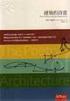 企 業 動 態 台 塑 園 地 得 獎 與 榮 耀 台 塑 林 園 廠 榮 獲 100 年 度 勞 工 安 全 衛 生 優 良 單 位 五 星 獎 (98 99 100 ) 100 101 7 3 54 高 雄 市 政 府 頒 發 台 塑 公 司 儲 運 處 海 汙 防 治 優 良 感 謝 狀 #29 #30 李 永 得 副 市 長 ( 中 ) 與 海 洋 局 孫 志 鵬 局 長 ( 左 一 ) 在
格 成 績 證 明 第 六 條 第 七 條 本 系 大 四 課 程 中 規 劃 日 本 韓 國 越 南 專 題 研 究, 學 生 需 於 大 四 時 修 習 該 課 程, 並 於 規 定 期 間 內 提 出 專 題 報 告, 取 得 合 格 成 績 證 明 本 系 規 定 學 生 畢 業 時 需 取
 國 立 高 雄 大 學 東 亞 語 文 學 系 大 學 部 修 業 規 則 (104 學 年 後 入 學 學 生 適 用 ) 修 正 對 照 表 條 文 修 正 後 條 文 原 條 文 備 註 第 二 條 第 三 條 第 四 條 第 五 條 大 學 部 104 學 年 度 入 學 學 生 大 四 上 下 皆 未 選 擇 校 外 實 習 I 及 校 外 實 習 Ⅱ 者 畢 業 學 分 為 128 學
基 金 配 息 資 訊 聯 博 境 外 基 金 2016 AA/AD/AT/BA/BD/BT 月 份 除 息 日 2016 年 01 月 01 月 28 日 01 月 29 日 2016 年 02 月 02 月 26 日 02 月 29 日 2016 年 03 月 03 月 30 日 03 月 31
 基 金 配 息 資 訊 聯 博 基 金 歷 史 配 息 及 報 酬 率 資 訊 境 外 基 金 ( 本 基 金 有 相 當 比 重 投 資 於 非 投 資 等 級 之 高 風 險 債 券 且 配 息 來 源 可 能 為 本 金 ) ( 本 基 金 主 要 係 投 資 於 非 投 資 等 級 之 高 風 險 債 券 且 配 息 來 源 可 能 為 本 金 ) ( 基 金 之 配 息 來 源 可 能 為
<30332EAAFEA5F3A440A142A447A142A454A142A57CA147BEC7A5CDB14DB77EC3D2B7D3BEC7B2DFA661B9CF2E786C73>
 嶺 東 科 技 大 學 財 務 金 融 系 日 四 技 學 生 專 業 學 習 地 圖 02 年 6 月 28 日 0 學 年 度 第 二 學 期 財 務 金 融 系 課 程 委 會 議 通 過 名 稱 微 積 分 ( 一 ) 微 積 分 ( 二 ) 個 體 經 濟 學 商 業 套 裝 軟 體 ( 二 ) 應 用 統 計 學 ( 一 ) 期 貨 與 選 擇 權 國 際 - 管 理 學 保 險 學 商
桃園市104年國民中學新進教師甄選各校複試方式及需求表
 桃 園 市 105 年 國 民 中 學 新 進 教 師 甄 選 各 校 複 試 方 式 及 需 求 表 編 號 校 名 教 評 會 審 查 方 式 及 學 校 需 求 備 註 1 2 桃 園 青 溪 ( 一 ) 口 試 80% 是 否 符 合 學 校 需 求 度 20% 具 數 學 專 長 者 為 佳 ( 一 ) 口 試 70% 是 否 符 合 學 校 需 求 度 30 % 需 擔 任 資 源 班
2.報考人數暨錄取或及格率按類科分_1試
 103 年 公 務 人 員 高 等 考 試 三 級 考 試 暨 普 通 考 試 ( 含 公 職 類 科 第 一 試 ) 報 考 人 數 暨 錄 取 或 及 格 率 按 類 科 分 報 考 人 數 到 考 人 數 類 科 別 需 用 人 數 錄 取 標 準 % % % % 錄 取 或 及 格 人 數 到 考 率 (%) 錄 取 或 及 格 率 (%) % % 總 到 考 率 總 及 格 率 119,959
???T????????
 資 訊 王 資 料 可 於 相 關 網 站 查 詢 對 應 表 系 統 選 項 資 料 選 項 對 應 相 關 網 址 上 櫃 公 司 現 金 增 資 資 料 現 金 增 資 與 股 上 市 股 票 公 開 申 購 資 訊 票 申 購 上 櫃 股 票 公 開 申 購 資 訊 http://www.twse.com.tw/ch/announcement/public.php 合 併 / 個 別 財 務
( ) 1 5 ( ) 6 37 8 11 12 16 17 20 21 22 23 25 26 27 28 29 30 32 33 37 ( ) 38 66 42 48 49 51 52 56 57 59 60 65 66 ( ) 67 89 75 76 79 80 83 84 86 87 88
 二 零 一 六 年 施 政 報 告 創 新 經 濟 促 進 和 諧 改 善 民 生 繁 榮 共 享 ( ) 1 5 ( ) 6 37 8 11 12 16 17 20 21 22 23 25 26 27 28 29 30 32 33 37 ( ) 38 66 42 48 49 51 52 56 57 59 60 65 66 ( ) 67 89 75 76 79 80 83 84 86 87 88 89
sle cover 1
 給 愛 尋 根 究 底 的 青 少 年 紅 斑 狼 瘡 冷 知 識 鳴 謝 給 愛 尋 根 究 底 的 青 少 年 紅 斑 狼 瘡 冷 知 識 ~ Hospital for Special Surgery 2003 For Inquiring Teens With LUPUS ~ Our Thoughts, Issues & Concerns Nichole Niles 為 什 麼 會 有 這 本
連江縣政府所屬學校兼任代課及代理教師聘任實施要點(草案)
 連 江 縣 中 小 學 兼 任 代 課 及 代 理 教 師 聘 任 補 充 規 定 中 華 民 國 95 年 5 月 4 日 連 教 學 字 第 0950012838 號 中 華 民 國 97 年 7 月 25 日 連 教 學 字 第 0970022418 號 修 訂 中 華 民 國 99 年 1 月 11 日 連 教 學 字 第 0990001112 號 修 訂 中 華 民 國 101 年 10
業 是 國 家 的 根 本, 隨 著 科 技 的 進 步 與 社 會 的 富 裕, 增 加 肥 料 的 施 用 量 與 農 病 蟲 害 防 治 方 法 的 提 升, 使 得 糧 食 產 量 有 大 幅 的 增 長, 但 不 當 的 農 業 操 作, 如 過 量 的 肥 料 農 藥 施 用 等, 對
 業 是 國 家 的 根 本, 隨 著 科 技 的 進 步 與 社 會 的 富 裕, 增 加 肥 料 的 施 用 量 與 農 病 蟲 害 防 治 方 法 的 提 升, 使 得 糧 食 產 量 有 大 幅 的 增 長, 但 不 當 的 農 業 操 作, 如 過 量 的 肥 料 農 藥 施 用 等, 對 生 態 環 境 產 生 很 嚴 重 的 傷 害, 為 確 保 農 業 的 永 續 發 展 與 安 全
Microsoft Word - 附件_table1020328
 表 1-1: 課 程 名 稱 學 分 數 開 課 時 間 修 訂 表 原 課 程 名 稱 修 改 後 課 程 名 稱 學 分 數 護 理 助 產 學 I 進 階 護 理 助 產 學 I 護 理 助 產 學 II 進 階 護 理 助 產 學 II 護 理 助 產 學 實 習 進 階 護 理 助 產 學 實 習 6 表 1-: 課 程 名 稱 開 課 時 間 修 訂 表 課 程 名 稱 原 開 課 學
8,530 1,056 52% 951 5.1 94% 1.9 33.3% 730 515 27.2% 179 50.3% 1 30,000 25,000 20,000 15,000 10,000 5,000 0 25,072 24,043 21,950 24,684 17,537 2011 201
 第 四 章 金 融 財 務 80 246 000 6.5% 16.6% 香 港 的 國 際 金 融 中 心 地 位 總 覽 24 Z/Yen 證 券 及 衍 生 工 具 市 場 蓬 勃 暢 旺 24.7 1 866 2,630 52 8,530 1,056 52% 951 5.1 94% 1.9 33.3% 730 515 27.2% 179 50.3% 1 30,000 25,000 20,000
Microsoft Word - 立法會十四題附件.doc
 附 件 一 公 務 員 資 歷 組 別 I. 資 歷 組 別 及 名 稱 資 歷 組 別 名 稱 1 無 需 中 學 會 考 五 科 及 格 2 中 學 會 考 證 書 第 一 組 : 需 要 香 港 中 學 會 考 五 科 及 格 的 第 二 組 : 需 要 香 港 中 學 會 考 五 科 及 格 並 具 相 當 經 驗 的 3 高 級 文 憑 及 文 憑 第 一 組 : 高 級 文 憑 第 二
Microsoft Word - _3_???????-Ch20140625_???
 綠 河 股 份 有 限 公 司 董 事 會 議 事 規 則 制 訂 及 修 正 紀 錄 一 本 規 則 初 版 於 2012 年 7 月 21 日 制 訂 二 本 規 則 第 一 次 修 訂 於 2013 年 6 月 29 日 三 本 規 則 第 二 次 修 訂 於 2014 年 6 月 25 日 綠 河 股 份 有 限 公 司 董 事 會 議 事 規 則 第 1 條 本 董 事 會 議 事 規 則
目 錄 壹 題 目 1: 新 增 商 品 ( 商 品 名 稱 為 玉 井 芒 果 乾 禮 盒 )... 3 貳 題 目 2: 新 增 商 品 ( 商 品 名 稱 為 紅 磚 布 丁 精 選 禮 盒 )... 5 參 題 目 3: 新 增 商 品 ( 商 品 名 稱 為 晶 鑽 XO 醬 禮 盒 ).
 行 動 電 子 商 務 管 理 師 行 動 電 子 商 務 規 劃 師 術 科 考 試 題 解 製 作 單 位 :TMCA 台 灣 行 動 商 務 運 籌 管 理 協 會 證 照 評 測 試 務 中 心 1 目 錄 壹 題 目 1: 新 增 商 品 ( 商 品 名 稱 為 玉 井 芒 果 乾 禮 盒 )... 3 貳 題 目 2: 新 增 商 品 ( 商 品 名 稱 為 紅 磚 布 丁 精 選 禮
100 學 年 度 科 技 校 院 四 年 制 及 專 科 學 校 二 年 制 日 間 部 聯 合 登 記 分 發 入 學 各 校 系 科 組 學 程 總 成 績 統 計 表 ( 一 般 生 ) 類 別 代 碼 學 校 名 稱 系 科 組 學 程 名 稱 01 機 械 066 正 修 科 技 大 學
 100 學 年 度 科 技 校 院 四 年 制 及 專 科 學 校 二 年 制 日 間 部 聯 合 登 記 分 發 入 學 各 校 系 科 組 學 程 總 成 績 統 計 表 ( 一 般 生 ) 類 別 代 碼 學 校 名 稱 系 科 組 學 程 名 稱 01 機 械 001 國 立 臺 灣 科 技 大 學 機 械 工 程 系 66 66 667.00 385.00 636.00 390.00 01
( 五 ) 財 務 會 計 理 論 研 討 3 學 分 ( 六 ) 審 計 理 論 研 討 3 學 分 ( 七 ) 管 理 會 計 理 論 研 討 3 學 分 第 四 條 選 修 科 目 : ( 一 ) 數 量 方 法 3 學 分 ( 二 ) 財 務 會 計 專 題 研 討 ( 一 ) 3 學 分
 國 立 雲 林 科 技 大 學 會 計 系 管 理 博 士 班 會 計 組 研 究 生 修 業 要 點 101 年 9 月 19 日 101 學 年 度 第 1 學 期 第 2 次 系 務 會 議 通 過 第 一 章 訂 定 依 據 第 一 條 會 計 系 管 理 博 士 班 會 計 組 研 究 生 修 業 要 點 ( 以 下 簡 稱 本 修 業 要 點 ) 依 據 國 立 雲 林 科 技 大 學
PowerPoint 簡報
 程 序 一 : 系 科 自 我 適 性 定 位 1. 分 析 系 ( 科 ) 教 師 之 專 長 特 性 為 何? 1-1: 分 析 系 ( 科 ) 教 師 之 學 歷 專 長 特 性 情 形 1-2: 分 析 系 ( 科 ) 教 師 之 業 界 實 務 背 景 特 性 情 形 1-3: 完 成 系 ( 科 ) 教 師 專 長 背 景 經 驗 分 析 表 1-1: 已 完 成 系 ( 科 ) 教 師
第 6. 節 不 定 積 分 的 基 本 公 式 我 們 可 以 把 已 經 知 道 反 導 函 數 之 所 有 函 數 都 視 為 不 定 積 分 的 基 本 公 式 基 本 公 式 涵 蓋 的 範 圍 愈 大, 我 們 求 解 積 分 就 愈 容 易, 但 有 記 憶 不 易 的 情 事 研 讀
 第 6. 節 反 導 函 數 與 不 定 積 分 定 義 6.. 反 導 函 數 說 明 : 第 六 章 求 積 分 的 方 法 若 F( ) f ( ), Df, 則 F ( ) 為 f( ) 之 反 導 函 數 (antierivative) () 當 F ( ) 為 f( ) 之 反 導 函 數 時, 則 F( ) C,C 為 常 數, 亦 為 f( ) 之 反 導 函 數 故 若 反 導 函
業 是 國 家 的 根 本, 隨 著 科 技 的 進 步 與 社 會 的 富 裕, 增 加 肥 料 的 施 用 量 與 農 病 蟲 害 防 治 方 法 的 提 升, 使 得 糧 食 產 量 有 大 幅 的 增 長, 但 不 當 的 農 業 操 作, 如 過 量 的 肥 料 農 藥 施 用 等, 對
 業 是 國 家 的 根 本, 隨 著 科 技 的 進 步 與 社 會 的 富 裕, 增 加 肥 料 的 施 用 量 與 農 病 蟲 害 防 治 方 法 的 提 升, 使 得 糧 食 產 量 有 大 幅 的 增 長, 但 不 當 的 農 業 操 作, 如 過 量 的 肥 料 農 藥 施 用 等, 對 生 態 環 境 產 生 很 嚴 重 的 傷 害, 為 確 保 農 業 的 永 續 發 展 與 安 全
101年度社會福利方案 網路線上操作手冊
 104 年 度 社 會 福 利 服 務 方 案 網 路 申 請 線 上 操 作 手 冊 中 華 社 會 福 利 聯 合 勸 募 協 會 103 年 8 月 編 製 中 華 社 會 福 利 聯 合 勸 募 協 會 方 案 線 上 申 請 操 作 1 2 4 0-12 104 年 度 社 會 福 利 服 務 方 案 網 路 申 請 線 上 操 作 手 冊 一 方 案 線 上 申 請 流 程 方 案 線
駛 學 校 順 成 駕 駛 學 校 新 中 華 駕 駛 學 校 新 社 亮 汽 車 電 單 車 教 授 駕 駛 學 校 有 限 公 司 新 順 成 汽 車 駕 駛 學 校 及 新 福 利 駕 駛 學 校 有 限 公 司 其 中 除 新 福 利 只 提 供 輕 型 汽 車 ( 自 動 ) 教 學 課
 駕 駛 學 校 收 費 調 查 發 佈 日 期 :2016 年 8 月 9 日 本 澳 近 年 有 不 少 消 費 者 報 讀 輕 型 汽 車 及 摩 托 車 駕 駛 課 程, 但 自 去 (2015) 年 起 本 澳 收 緊 對 輕 型 摩 托 車 的 技 術 規 格 審 批, 避 免 在 原 產 地 單 座 位 的 輕 型 摩 托 車 到 達 本 澳 後 可 申 報 為 兩 座 位, 使 不 少
 頁 1 / 8 法 規 名 稱 : 公 務 人 員 俸 給 法 修 正 時 間 :97.1.16 第 一 條 ( 本 法 內 容 ) 公 務 人 員 之 俸 給, 依 本 法 行 之 第 二 條 ( 名 詞 定 義 ) 本 法 所 用 名 詞 意 義 如 下 : 一 本 俸 : 係 指 各 職 等 人 員 依 法 應 領 取 之 基 本 給 與 二 年 功 俸 : 係 指 各 職 等 高 於 本 俸
國立屏東師範學院教育心理與輔導研究所
 諮 心 組 職 涯 領 域 與 生 涯 徑 路 圖 一 職 涯 領 域 以 下 為 本 所 畢 業 生 就 業 相 關 領 域 與 簡 介 說 明, 各 類 別 修 課 事 項 之 說 明 請 參 照 頁 碼 欄 位, 並 翻 至 該 頁 詳 讀 其 說 明, 以 作 為 未 來 就 業 與 修 業 課 程 安 排 之 參 考 此 外, 同 學 在 思 索 未 來 實 習 或 工 作 之 機 構 時,
參、社會 黎萬民 吳允明 華士傑
 大 陸 情 勢 2000 4 本 期 情 勢 整 體 而 言, 中 共 順 利 召 開 九 屆 三 次 全 國 人 大 政 協 會 議, 外 貿 與 通 貨 緊 縮 情 況 好 轉 安 排 資 金 與 政 策 出 臺, 意 圖 實 現 西 部 大 開 發 戰 略 與 俄 羅 斯 以 色 列 軍 事 科 技 合 作 與 移 轉 受 矚 目 大 陸 內 部 高 層 貪 腐 案 件 頻 仍, 壓 制 法
教育實習問與答:
 問 與 答 集 一 總 則 Q1: 本 校 開 設 的 教 育 學 程 的 類 別 有 那 幾 種? A1: 本 校 開 設 的 教 育 學 程 有 中 等 學 校 師 資 類 科 教 育 學 程 ( 取 得 國 中 高 中 高 職 等 教 師 資 格 ) 國 民 小 學 師 資 類 科 教 育 學 程 取 得 國 小 教 師 資 格 ) 二 修 習 對 象 與 資 格 Q1: 在 何 種 條 件
( 第 4 項 ) 第 1 項 及 第 2 項 投 資 抵 減 之 適 用 範 圍 核 定 機 關 申 請 期 限 申 請 程 序 施 行 期 限 抵 減 率 及 其 他 相 關 事 項, 由 行 政 院 定 之 行 為 時 促 進 產 業 升 級 條 例 第 6 條 第 2 項 及 第 4 項 分
 會 議 錄 最 高 行 政 法 院 102 年 度 6 月 份 第 1 次 庭 長 法 官 聯 席 會 議 會 議 日 期 :102 年 6 月 4 日 相 關 法 條 : 促 進 產 業 升 級 條 例 第 6 條 第 2 項 第 4 項 ( 民 國 92 年 2 月 6 日 修 正 公 布 ) 公 司 研 究 與 發 展 及 人 才 培 訓 支 出 適 用 投 資 抵 減 辦 法 第 3 條 第
前 項 第 三 款 所 定 有 機 農 產 品 及 有 機 農 產 加 工 品 驗 證 基 準, 如 附 件 一 第 七 條 驗 證 機 構 受 理 有 機 農 產 品 及 有 機 農 產 加 工 品 之 驗 證, 應 辦 理 書 面 審 查 實 地 查 驗 產 品 檢 驗 及 驗 證 決 定 之
 有 機 農 產 品 及 有 機 農 產 加 工 品 驗 證 管 理 辦 法 (101.06.07 修 正 ) 第 一 條 本 辦 法 依 農 產 品 生 產 及 驗 證 管 理 法 ( 以 下 簡 稱 本 法 ) 第 五 條 第 二 項 規 定 訂 定 之 第 二 條 本 辦 法 用 詞, 定 義 如 下 : 一 生 產 廠 ( 場 ): 指 在 國 內 生 產 加 工 分 裝 或 流 通 有 機
Layout 1
 視 為 優 講 燈 1 講 開 場 簡 報 隨 齡 發 視 變 資 訊 討 論 檢 討 會 與 會 將 夠 幾 點 與 變 關 視 變 兩 種 視 習 慣 個 問 專 業 員 問 題 講 1 燈 2 隨 齡 長 會 視 變 視 變 會 動 變 難 閱 讀 電 腦 視 變 會 裡 絆 體 風 險 藥 護 務 駕 車 動 難 會 響 並 導 慮 鬱 過 適 當 應 對 視 變 繼 續 動 並 減 關 慮
代 理 人 者, 由 常 務 董 事 或 董 事 互 推 一 人 代 理 之 第 八 條 本 公 司 董 事 會 召 開 時, 總 經 理 室 應 備 妥 相 關 資 料 供 與 會 董 事 隨 時 查 考 召 開 董 事 會, 得 視 議 案 內 容 通 知 相 關 部 門 或 子 公 司 之 人
 南 亞 科 技 股 份 有 限 公 司 董 事 會 議 事 規 範 民 國 105 年 6 月 22 日 董 事 會 修 正 通 過 第 一 條 為 建 立 本 公 司 良 好 董 事 會 治 理 制 度 健 全 監 督 功 能 及 強 化 管 理 機 能, 爰 依 公 開 發 行 公 司 董 事 會 議 事 辦 法 之 規 定 訂 定 本 規 範, 以 資 遵 循 第 二 條 本 公 司 董 事
f o r u m 各 級 學 校 專 任 運 動 教 練 制 度 沿 革 之 回 顧 江 海 泉 臺 中 市 立 梧 棲 國 民 中 學 專 任 運 動 教 練 1984 076
 F O R U M 學 校 體 育 教 師 與 專 任 運 動 教 練 之 對 談 時 間 : 中 華 民 國 104 年 11 月 11 日 ( 星 期 三 )18:30~20:30 地 點 : 國 立 臺 灣 大 學. 綜 合 體 育 館 247 會 議 室 主 持 人 : 周 宏 室 教 授 ( 國 立 體 育 大 學 ) 指 導 單 位 : 教 育 部 體 育 署 與 談 人 ( 按 姓 氏
75 叁 積 木 遊 戲 的 教 學 功 能 一 促 進 體 能 發 展 二 發 展 社 會 技 巧 Ramsey 1991 Beaty 1995 ( ) ( ) ( ) 三 學 習 情 緒 處 理 國 教 之 友 第 59 卷 第 3 期 19
 75 叁 積 木 遊 戲 的 教 學 功 能 一 促 進 體 能 發 展 二 發 展 社 會 技 巧 Ramsey 1991 Beaty 1995 ( ) ( ) ( ) 三 學 習 情 緒 處 理 國 教 之 友 第 59 卷 第 3 期 19 四 增 進 認 知 體 驗 五 提 升 語 言 層 次 六 激 發 創 造 力 發 展 88 肆 幼 兒 在 積 木 遊 戲 上 的 發 展 過 程 86
壹、組織編制 代碼:C0101意見反映
 項 目 編 號 DA14 金 門 縣 政 府 人 事 處 教 師 敘 薪 標 準 作 業 流 程 序 說 明 表 項 目 名 稱 教 師 敘 薪 標 準 作 業 承 辦 單 位 人 事 處 第 一 科 作 業 流 程 說 明 一 起 敘 : ( 一 ) 新 進 教 師 到 職 聘 任 後, 按 其 所 具 資 格 條 件 ( 以 學 歷 為 主 ), 依 公 立 各 級 學 校 教 職 員 敘 薪
268 別 行 政 區 所 以, 全 國 人 民 代 表 大 會 根 據 憲 法 第 31 條 規 定 設 立 了 特 別 行 政 區 沒 有 憲 法 第 31 條 的 規 定, 就 沒 有 特 別 行 政 區 制 度 存 在 的 合 法 性 基 礎 62 正 如 上 述, 憲 法 為 特 別 行
 行 政 第 二 十 三 卷, 總 第 八 十 八 期,2010 No.2,267 275 267 * 憲 法 和 基 本 法 是 澳 門 特 別 行 政 區 的 憲 制 基 礎, 體 現 在 二 個 方 面 第 一, 一 國 兩 制 的 實 施 需 要 制 度 化 和 法 律 化, 制 度 化 就 是 設 立 特 別 行 政 區, 法 律 化 就 是 制 定 特 別 行 政 區 基 本 法 制 度
<4D6963726F736F667420576F7264202D20B773A55FA5ABAC46A9B2BDC3A5CDA7BD313034A67EA6DC313035A67E33A4EBBFECB27AA9CAA74FA5ADB5A5ABC5BEC9B1A1A7CE>
 新 北 市 政 府 衛 生 局 104 年 至 105 年 3 月 辦 理 性 別 平 等 宣 導 情 形 宣 導 方 式 ( 含 平 面 網 頁 廣 播 影 音 座 談 會 說 明 會 性 別 平 等 宣 導 文 宣 製 作 情 形 CEDAW 宣 導 情 形 宣 導 成 效 記 者 會 及 活 動 等 ) 時 間 :104 年 1 月 10 日 內 容 : 溫 柔 生 產 分 享 及 母 乳 支
財 訊 雙 週 刊 2012 年 8 月 30 日 81 把 非 主 流 變 主 流 將 推 向 舞 辦 楚 並 因 此 功 將 推 向 請 要 複 製 這 樣 經 驗 當 年 讓 舞 上 引 起 注 目 生 1942 年 現 職 珠 寶 牌 Chi ha paura... 共 同 辦 人 暨 總
 封 面 故 事 開 講 專 訪 楚 辦 人 海 斯. 巴 克 要 甩 掉 複 製 膽 秀 自 己 他 屢 獲 獎 知 將 送 上 舞 重 要 推 手 而 且 他 也 淵 源 甚 深 深 知 業 優 缺 點 財 訊 地 赴 專 訪 楚 辦 人 海 斯. 巴 克 以 他 協 助 打 天 豐 富 經 驗 娓 娓 道 對 建 議 www.wealth.com.tw 80 財 訊 雙 週 刊 2012 年 8
瑞興銀行
 網 路 銀 行 基 金 服 務 系 統 - 查 詢 類 操 作 手 冊 中 華 民 國 一 零 五 年 版 第 1 頁 目 錄 文 件 導 引 說 明... 3 壹 基 金 服 務 - 查 詢 類... 1 一 我 的 基 金 ( 含 使 用 者 風 險 等 級 )... 1 1.1 更 新 損 益... 2 二 基 金 往 來 明 細 查 詢 ( 含 配 息 )... 5 2.1 基 金 單 筆
文 ( 一 ) 閱 讀 理 解 英 語 數 學 社 會 自 然 及 國 文 ( 二 ) 語 文 表 達 等 各 科 此 外 嘉 義 區 則 另 外 單 獨 辦 理 測 驗 五 專 亦 有 辦 理 特 色 招 生 考 試 分 發 入 學, 與 高 中 高 職 分 開 辦 理, 但 成 績 同 樣 採
 想 報 考 103 年 五 專 特 色 招 生 考 試 分 發 入 學 103.2.20 1. 文 藻 外 語 大 學 ( 雙 外 語 跨 領 域 國 際 專 業 人 才 菁 英 班 ) 2. 國 立 臺 中 科 技 大 學 ( 資 訊 應 用 菁 英 班 創 意 商 品 設 計 菁 英 班 ) 3. 國 立 臺 北 商 業 技 術 學 院 ( 企 業 管 理 菁 英 班 國 際 貿 易 科 企 業
名 師 峻 堯 老 師 地 理 考 科 壹 前 言 ( 筆 者 對 於 指 定 考 科 的 界 定 ) 105 103~104 20 107 2
 / / 105 / / 7 0 2 4 8 76 / / 7 0 2 5 2 8-1 / / 06 2619621 #311 / E-mail / periodical @ hanlin.com.tw / http://www.worldone.com.tw http://www.worldone.com.tw NO.00847 ZXCV 名 師 峻 堯 老 師 地 理 考 科 壹 前 言 ( 筆
長跨距暨挑高建築特殊結構系統之調查分析
 第 一 章 1 2 3 4 第 二 章 5 6 7 8 1. 2. 9 3. 4. 5. 6. 7. 8. 9. 10. 11. 10 12. 13. 14. 15. 16. 17. 18. 19. 11 第 三 章 p 12 b / B 0.75 13 p 14 15 D = l 20 +10 16 17 p l D l D l D 3 p 4 3 18 19 20 21 22 23 24 25
中國國際商業銀行股份有限公司董事會議事規則(草案)
 兆 豐 國 際 商 業 銀 行 董 事 會 議 事 規 則 第 一 條 第 二 條 為 建 立 本 公 司 良 好 董 事 會 治 理 制 度 健 全 監 督 功 能 及 強 化 管 理 機 能, 爰 依 公 開 發 行 公 司 董 事 會 議 事 辦 法 第 二 條 訂 定 本 規 則 本 公 司 董 事 會 之 主 要 議 事 內 容 作 業 程 序 議 事 錄 應 載 明 事 項 公 告 及
類 別 三 方 法 四 材 法 與 實 習 原 理 必 修 2 2 發 展 與 設 計 必 修 2 2 習 評 量 必 修 2 2 輔 導 原 理 與 實 務 2 2 班 級 經 營 必 修 2 2 媒 體 與 運 用 2 2 實 習 必 修 2 2 國 民 小 語 文 材 法 國 民 小 國 語
 國 立 屏 東 大 國 民 小 師 師 資 職 前 專 業 科 目 及 一 覽 表 部 103 年 1 月 24 日 臺 師 二 字 第 1030010873 號 函 同 意 核 定 本 校 103 年 11 月 12 日 103 年 度 第 1 期 第 1 次 委 員 會 議 修 正 通 過 原 名 稱 : 國 立 屏 東 大 國 民 小 師 師 資 職 前 專 業 科 目 及 一 覽 表 本 校
七 獎 金 : 指 為 獎 勵 教 學 研 究 輔 導 與 年 度 服 務 績 效 以 激 勵 教 師 士 氣, 而 另 發 之 給 與 第 五 條 本 條 例 於 公 立 及 已 立 案 之 私 立 學 校 編 制 內, 依 法 取 得 教 師 資 格 之 專 任 教 師 適 用 之 第 六 條
 轉 載 總 統 令 中 華 民 國 104 年 6 月 10 日 華 總 一 義 字 第 10400067391 號 茲 制 定 教 師 待 遇 條 例, 公 布 之 總 統 馬 英 九 行 政 院 院 長 毛 治 國 教 育 部 部 長 吳 思 華 教 師 待 遇 條 例 中 華 民 國 104 年 6 月 10 日 公 布 第 一 條 教 師 之 待 遇, 依 本 條 例 行 之 第 二 條 教
CONTENTS 訓 練 內 容 設 計 法 056 淡 季 期 的 訓 練 058 旺 季 期 的 訓 練 060 針 對 爬 坡 賽 的 訓 練 內 容 062 賽 後 的 資 料 分 析 064 067 PART4/ 鏑 木 毅 先 生 的 建 言 活 用 於 越 野 路 跑 的 心 跳 訓
 BOOK 山 與 溪 谷 社 編 堀 內 一 雄 執 筆 蕭 雲 菁 譯 CONTENTS 訓 練 內 容 設 計 法 056 淡 季 期 的 訓 練 058 旺 季 期 的 訓 練 060 針 對 爬 坡 賽 的 訓 練 內 容 062 賽 後 的 資 料 分 析 064 067 PART4/ 鏑 木 毅 先 生 的 建 言 活 用 於 越 野 路 跑 的 心 跳 訓 練 068 心 率 計 為
實德證券網上交易系統示範
 實 德 證 券 網 上 交 易 系 統 示 範 實 德 證 券 網 上 交 易 系 統 分 別 提 供 增 強 版 及 標 準 版, 使 用 標 準 版 必 須 安 裝 JAVA, 標 準 版 自 動 更 新 戶 口 資 料, 而 使 用 增 強 版 則 不 必 安 裝 JAVA, 但 必 須 按 更 新 鍵 才 能 更 新 戶 口 資 料, 請 用 戶 根 據 實 際 需 要 選 擇 使 用 標
中 國 大 陸 老 年 人 力 就 業 問 題 之 初 探 專 題 研 究 壹 前 言 1 2006 1999 2014 2 2026 3 2037 4 2051 3 4 2 2013 3 貳 老 年 人 力 就 業 問 題 理 論 與 文 獻 檢 閱 1 首 都 經 濟 貿 易 大 學 學 報 (
 PROSPECT & EXPLORATION 第 13 卷 第 12 期 中 華 民 國 104 年 12 月 中 國 大 陸 老 年 人 力 就 業 問 題 之 初 探 A Preliminary Study of the Elderly Empolyment in China 楊 銘 杰 (Yang, Ming-Jey) 中 國 文 化 大 學 中 山 與 中 國 大 陸 研 究 所 博 士 候
(3) 澳 門 特 別 行 政 區 之 稅 務 知 識 及 (4) 商 法 典 ( 二 ) 重 新 批 准 註 冊 為 註 冊 會 計 師 / 專 業 會 計 員 之 筆 試 科 目 如 下 : (1) 澳 門 特 別 行 政 區 之 稅 務 知 識 及 (2) 商 法 典 ( 三 ) 考 試 範
 核 數 師 暨 會 計 師 註 冊 委 員 會 首 次 註 冊 為 註 冊 會 計 師 / 專 業 會 計 員 及 重 新 批 准 註 冊 為 註 冊 會 計 師 / 專 業 會 計 員 之 考 試 規 章 根 據 十 一 月 一 日 第 72/99/M 號 法 令 核 准 之 會 計 師 通 則 第 四 條 第 三 款 之 規 定, 申 請 首 次 註 冊 為 註 冊 會 計 師 / 專 業 會
一 業 務 內 容 本 公 司 依 郵 政 法 第 5 條 得 經 營 下 列 業 務 : 1. 2. 3. 4. 5. 6. 7. 1 6 單 位 : 新 臺 幣 千 元,% 99 98 5,486,746,426 100.00 5,318,734,633 100.00 3,039,301,167
 中 華 民 國 九 十 九 年 中 華 郵 政 年 報 中 華 民 國 九 十 九 年 中 華 郵 政 年 報 民 國 九 十 九 年 中 華 郵 政 年 報 陸 營 運 概 況 38 41 43 44 48 53 54 55 56 57 58 58 59 60 61 一 業 務 內 容 ( 一 ) 郵 件 業 務 ( 二 ) 郵 件 運 送 ( 三 ) 儲 金 及 匯 兌 業 務 ( 四 ) 簡
及 國 民 中 小 學 組 織 規 程 之 規 定 辦 理, 其 班 級 數 之 計 算 依 實 際 班 級 數 ( 幼 教 班 除 外 ) 四 捨 五 入 計 算 : 1. 十 二 班 以 下 者 : 得 置 教 師 兼 教 導 總 務 主 任, 教 師 兼 教 務 訓 育 組 長 各 一 人 2
 臺 北 縣 所 屬 國 民 小 學 教 師 員 額 編 制 要 點 修 正 對 照 表 修 正 規 定 名 稱 : 臺 北 縣 所 屬 國 民 小 學 教 師 員 額 編 制 要 點 一 為 規 範 臺 北 縣 ( 以 下 簡 稱 本 縣 ) 所 屬 國 民 小 學 教 師 員 額 編 制 標 準 設 置 原 則 及 加 置 原 則, 特 訂 定 本 要 點 二 本 縣 教 師 員 額 計 算 標
( 二 ) 資 格 考 試 之 方 式 : 1. 筆 試 : 圖 書 資 訊 學 檔 案 學 或 出 版 與 數 位 科 技 ( 三 科 選 考 一 科 ), 考 試 時 間 3 小 時 筆 試 分 數 以 70 分 為 及 格, 如 不 及 格, 且 修 業 年 限 尚 未 屆 滿 者, 得 於
 國 立 政 治 大 學 圖 書 資 訊 與 檔 案 學 研 究 所 碩 士 班 修 業 要 點 98 年 10 月 9 日 98 學 年 度 第 1 學 期 第 2 次 所 務 會 議 通 過 105 年 5 月 16 日 104 學 年 度 第 2 學 期 第 2 次 所 務 會 議 修 正 通 過 (105 學 年 度 起 入 學 生 適 用 ) 一 本 要 點 係 為 國 立 政 治 大 學
期交所規則、規例及程序
 黃 金 期 貨 合 約 細 則 下 述 合 約 細 則 適 用 於 黃 金 期 貨 合 約 : 相 關 資 產 合 約 單 位 交 易 貨 幣 合 約 月 份 報 價 最 低 價 格 波 幅 立 約 成 價 立 約 價 值 持 倉 限 額 成 色 不 少 於 995 的 黃 金 100 金 衡 安 士 美 元 現 貨 月 及 下 兩 個 曆 月 集 團 行 政 總 裁 與 證 監 會 會 商 後 可
第 一 條 : 為 建 立 本 公 司 良 好 董 事 會 治 理 制 度 健 全 監 督 功 能 及 強 化 管 理 機 能, 爰 依 公 開 發 行 公 司 董 事 會 議 事 辦 法 第 二 條 訂 定 本 規 範, 以 資 遵 循 第 二 條 : 本 公 司 董 事 會 之 議 事 規 範,
 環 瑞 醫 投 資 控 股 股 份 有 限 公 司 內 部 控 制 管 理 辦 法 董 事 會 議 事 規 範 Page 1 of 7 第 一 條 : 為 建 立 本 公 司 良 好 董 事 會 治 理 制 度 健 全 監 督 功 能 及 強 化 管 理 機 能, 爰 依 公 開 發 行 公 司 董 事 會 議 事 辦 法 第 二 條 訂 定 本 規 範, 以 資 遵 循 第 二 條 : 本 公 司
Microsoft Word - 教師待遇條例.doc
 教 師 待 遇 條 例 中 華 民 國 104 年 6 月 10 日 華 總 一 義 字 第 10400067391 號 第 一 條 教 師 之 待 遇, 依 本 條 例 行 之 第 二 條 教 師 之 待 遇, 分 本 薪 ( 年 功 薪 ) 加 給 及 獎 金 第 三 條 本 條 例 所 稱 主 管 機 關 如 下 : 一 公 立 學 校 : ( 一 ) 國 立 學 校 為 教 育 部 ( 二
二 具 有 博 士 學 位 或 其 同 等 學 歷 證 書, 成 績 優 良 並 有 專 門 著 作 者, 得 聘 為 助 理 教 授 三 具 有 博 士 學 位 或 其 同 等 學 歷 證 書, 曾 從 事 與 所 習 學 科 有 關 之 研 究 工 作 專 門 職 業 或 職 務 四 年 以 上
 國 立 政 治 大 學 教 師 聘 任 升 等 評 審 辦 法 86 年 4 月 19 日 第 96 次 校 務 會 議 通 過 第 一 至 第 十 六 條 及 十 八 十 九 條 條 文 87 年 1 月 17 日 第 99 次 校 務 會 議 修 正 通 過 第 廿 八 條 條 文 並 刪 除 第 十 一 之 一 條 文 教 育 部 87 年 221 日 台 ( 八 七 ) 審 字 第 87008833
<4D6963726F736F667420576F7264202D20A4BDA640BADEB27ABD64C3A5A44AC2BEB4B6B371B67DA6D25FB3F8A6D2B0DDC344B6B05F3134303830365F636E>
 公 共 管 理 範 疇 技 術 員 職 程 普 通 對 外 入 職 開 考 第 一 職 階 二 等 技 術 員 職 位 空 缺 報 考 集 有 關 報 考 地 點 日 期 及 時 間 報 考 地 點 在 那 裡? 開 考 通 告 上 所 述 遞 交 投 考 申 請 表 的 期 限 為 二 十 日, 自 本 通 告 在 澳 門 特 別 行 政 區 公 報 公 佈 後 第 一 個 工 作 日 起 計 如
<4D6963726F736F667420576F7264202D20B0EAA5C1A470BEC7BB50B0EAA5C1A4A4BEC7AF5AAFC5BD73A8EEA4CEB1D0C2BEADFBADFBC342BD73A8EEB1F8A4E5B9EFB7D3AAED3936303230A14B>
 國 民 小 學 與 國 民 中 學 班 編 制 及 教 職 員 員 額 編 制 準 則 修 正 總 說 明 現 行 國 民 小 學 與 國 民 中 學 班 編 制 及 教 職 員 員 額 編 制 準 則 ( 以 下 簡 稱 本 準 則 ) 係 於 九 十 四 六 月 二 十 三 日 修 正 發 布, 為 配 合 立 法 院 第 六 屆 第 三 會 期 第 五 次 會 議 決 議, 請 教 育 部 (
智慧財產創新推廣模式會議_電子邀請函
 The innovative promotion model of intellectual property Case sharing-patent pledge and financing Pledge. Patent. Sep. 9 Wednesday. 15:00 16:30 (485) THE COLLEGE OF INTELLECTUAL PROPERTY STUDIES () 20092013
及 業 務 人 員 所 推 介 銷 售 之 基 金, 容 或 與 台 端 個 人 投 資 組 合 之 利 益 不 相 一 致, 請 台 端 依 個 人 投 資 目 標 及 基 金 風 險 屬 性, 慎 選 投 資 標 的 註 : 台 新 投 信 系 列 基 金 之 明 細 表 台 新 主 流 台 新
 本 公 司 銷 售 台 新 投 信 系 列 基 金 所 收 取 之 通 路 報 酬 如 下 : ㄧ 投 資 人 支 付 申 購 手 續 費 分 成 (%) 台 端 支 付 的 基 金 申 購 手 續 費 為 0 %~ 2.0 %, 本 公 司 收 取 0%~2.0% ( 依 台 端 申 購 金 額 ) 二 基 金 公 司 ( 或 總 代 理 人 / 境 外 基 金 機 構 ) 支 付 經 理 費 分
第 二 章 基 本 法 是 協 調 內 地 與 香 港 地 區 法 律 衝 突 的 基 本 法 律 第 一 節 基 本 法 的 性 質 與 特 點 55 一 香 港 特 別 行 政 區 基 本 法 是 全 國 性 法 律 55 二 基 本 法 是 香 港 特 別 行 政 區 憲 法 性 的 法 律
 目 錄 原 序 修 訂 本 序 i iv 導 論 中 國 恢 復 對 香 港 行 使 主 權 後 中 國 內 地 與 香 港 地 區 的 法 律 衝 突 與 協 調 一 中 國 恢 復 對 香 港 行 使 主 權, 並 沒 有 改 變 香 港 仍 然 是 一 個 與 中 國 內 地 實 行 不 同 法 律 和 法 律 制 度 的 獨 立 法 律 區 域 的 事 實 1 二 香 港 特 別 行 政 區
行政院金融監督管理委員會全球資訊網-行政院金融監督管理委員會
 發 行 人 證 券 商 證 券 交 易 所 會 計 主 管 資 格 條 件 及 專 業 進 修 辦 法 暨 發 行 人 證 券 商 證 券 交 易 所 會 計 主 管 進 修 機 構 審 核 辦 法 問 答 集 105 年 5 月 修 訂 一 會 計 主 管 之 定 義 ( 會 計 主 管 資 格 條 件 及 專 業 進 修 辦 法 第 2 條 ) ( 一 ) 何 謂 會 計 主 管? 證 券 交
( 二 ) 輔 導 員 除 有 特 殊 情 形 外, 同 時 間 以 輔 導 一 人 為 原 則, 至 多 不 得 超 過 二 人 ( 三 ) 實 務 訓 練 機 關 ( 構 ) 學 校 於 實 務 訓 練 期 間 對 由 資 深 人 員 擔 任 之 輔 導 員 得 酌 減 業 務 五 輔 導 重
 公 務 人 員 考 試 錄 取 人 員 實 務 訓 練 輔 導 要 點 中 華 民 國 九 十 年 十 一 月 十 五 日 保 訓 會 公 訓 字 第 九 六 四 四 七 號 函 發 布 中 華 民 國 九 十 一 年 十 月 二 十 一 日 保 訓 會 公 訓 字 第 九 一 六 二 四 號 函 修 正 發 布 中 華 民 國 九 十 三 年 三 月 八 日 保 訓 會 公 訓 字 第 九 三 一
主 席 報 告 2013 12 31 業 務 回 顧 2013 2013 7 30 2013 2013 670.7 2013 415.0 2012 44.9% 52.4% 146.4 22.9% 123.4 73.9 28.2% 6.12 2012 13.56 0.39-2 -
 SHIMAO PROPERTY HOLDINGS LIMITED 世 茂 房 地 產 控 股 有 限 公 司 ( 股 份 代 號 :813) 截 至 2013 年 12 月 31 日 止 全 年 業 績 業 績 摘 要 1. 415.0 2012 44.9% 2. 52.4% 146.4 (2012 96.1 2012 33.5% 35.3% 3. 28.2% 73.9 73.19 66.8% 4.